Durood e Ibrahim – Meaning, Virtues, and Rewards of Sending Blessings Upon the Prophet ﷺ
Among the most beloved acts of worship in Islam is sending peace and blessings upon our beloved Prophet Muhammad ﷺ. This act, known as Salat or Durood, is not only a remembrance but a source of immense blessings for the believer.
The Prophet ﷺ said:
“Whoever sends blessings upon me once, Allah will send blessings upon him tenfold.”
(Sahih Muslim)
Among the various forms of Durood, Durood e Ibrahim stands as the most authentic, complete, and universally recited salutation — one taught directly by the Prophet ﷺ himself. Muslims around the world recite it daily in their Salah, especially during the Tashahhud position.
This article explores the meaning, translation, virtues, and spiritual power of Durood e Ibrahim, helping every believer understand why it holds such a special place in Islam.
What Is Durood e Ibrahim?
Durood e Ibrahim (also known as Darood Ibrahimi or Salat al-Ibrahimiyyah) is the specific supplication Muslims recite to send peace and blessings upon Prophet Muhammad ﷺ, his family, and Prophet Ibrahim (Abraham) عليه السلام and his family.
It is named “Ibrahim” because it mentions both Prophets Muhammad ﷺ and Ibrahim عليه السلام, acknowledging their high ranks and shared legacy of monotheism.
This Durood forms an essential part of our daily prayers — recited after At-Tahiyyat and before Dua after Salah.
Durood e Ibrahim in Arabic, Transliteration, and English Translation
Below is Durood Ibrahim in Arabic, along with transliteration and Durood Shareef translation in English for better understanding and pronunciation.
Arabic Text:
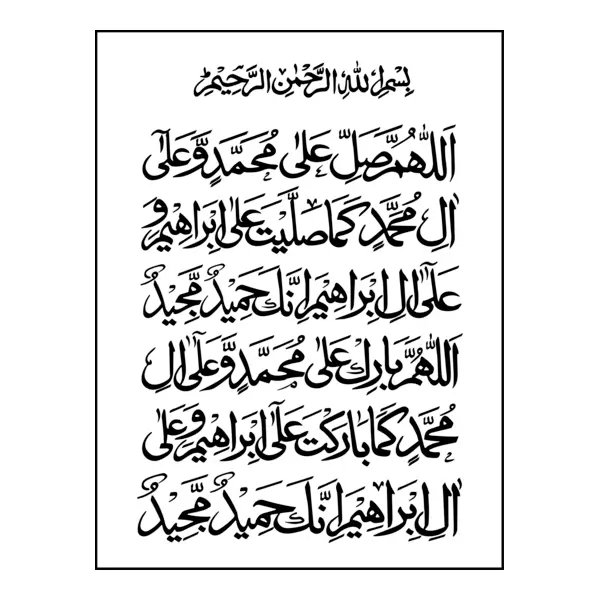
اللَّهُمَّ صَلِّ عَلَىٰ مُحَمَّدٍ وَعَلَىٰ آلِ مُحَمَّدٍ كَمَا صَلَّيْتَ عَلَىٰ إِبْرَاهِيمَ وَعَلَىٰ آلِ إِبْرَاهِيمَ إِنَّكَ حَمِيدٌ مَّجِيدٌ
اللَّهُمَّ بَارِكْ عَلَىٰ مُحَمَّدٍ وَعَلَىٰ آلِ مُحَمَّدٍ كَمَا بَارَكْتَ عَلَىٰ إِبْرَاهِيمَ وَعَلَىٰ آلِ إِبْرَاهِيمَ إِنَّكَ حَمِيدٌ مَّجِيدٌ
Transliteration:
Allahumma salli ‘ala Muhammadin wa ‘ala aali Muhammadin kama sallayta ‘ala Ibraheema wa ‘ala aali Ibraheema innaka Hameedum Majeed.
Allahumma barik ‘ala Muhammadin wa ‘ala aali Muhammadin kama barakta ‘ala Ibraheema wa ‘ala aali Ibraheema innaka Hameedum Majeed.
Durood e Ibrahim in English (Translation):
“O Allah, send Your mercy upon Muhammad and the family of Muhammad, as You sent mercy upon Ibrahim and the family of Ibrahim. Indeed, You are Praiseworthy, Most Glorious.
O Allah, bless Muhammad and the family of Muhammad, as You blessed Ibrahim and the family of Ibrahim. Indeed, You are Praiseworthy, Most Glorious.”
The Origin and Authenticity of Durood e Ibrahim
The Durood e Ibrahim is derived from authentic Hadiths found in Sahih Bukhari and Sahih Muslim.
When the Companions (رضي الله عنهم) asked the Prophet ﷺ how they should send blessings upon him, he taught them this exact wording.
This makes Durood e Ibrahim the most authentic form of Salawat, directly taught by the Prophet ﷺ himself, making it an integral part of Islamic practice and prayer.
It’s not merely a formula; it’s a divine connection — one that links the hearts of believers with the Messenger ﷺ and with Prophet Ibrahim عليه السلام, both of whom carried the message of Tawheed (Oneness of Allah).
Understanding the Meaning and Wisdom Behind Durood e Ibrahim
Every phrase in Durood e Ibrahim carries deep meaning:
- اللَّهُمَّ صَلِّ عَلَىٰ مُحَمَّدٍ — “O Allah, send Your mercy and peace upon Muhammad.”
It’s a request for Allah to raise the rank of His Messenger ﷺ, showering him with mercy and honor. - وَعَلَىٰ آلِ مُحَمَّدٍ — “And upon the family of Muhammad.”
Refers not only to his household (Ahl al-Bayt) but also to all who follow his teachings sincerely. - كَمَا صَلَّيْتَ عَلَىٰ إِبْرَاهِيمَ — “As You sent peace upon Ibrahim.”
Drawing a beautiful connection between the two great Prophets of monotheism, linking their message and legacy. - إِنَّكَ حَمِيدٌ مَّجِيدٌ — “Indeed, You are Praiseworthy, Glorious.”
A reminder that all praise and majesty belong to Allah alone.
When believers recite Durood e Ibrahim in English or Arabic, they are not just speaking words — they’re expressing love, honor, and loyalty to the Messenger ﷺ.
Virtues and Rewards of Reciting Durood e Ibrahim
The Qur’an commands believers:
“Indeed, Allah and His angels send blessings upon the Prophet. O you who believe! Send blessings upon him and peace as well.”
(Surah Al-Ahzab 33:56)
Reciting Durood e Ibrahim is a fulfillment of this divine command.
Some of its countless virtues include:
- Forgiveness of sins – Each recitation brings Allah’s mercy and forgiveness.
- Tenfold blessings – For every Durood you send, Allah sends blessings upon you ten times.
- Elevates your status – It purifies the heart and increases love for the Prophet ﷺ.
- Brings peace and light – A person who frequently sends Durood will find peace in their life and light in their grave.
- Acceptance of Dua – Durood beautifies and strengthens our supplications.
When and How to Recite Durood e Ibrahim
Although it’s mandatory to recite Durood e Ibrahim in Salah, it can also be recited anytime as a remembrance and form of dhikr.
Best Times to Recite:
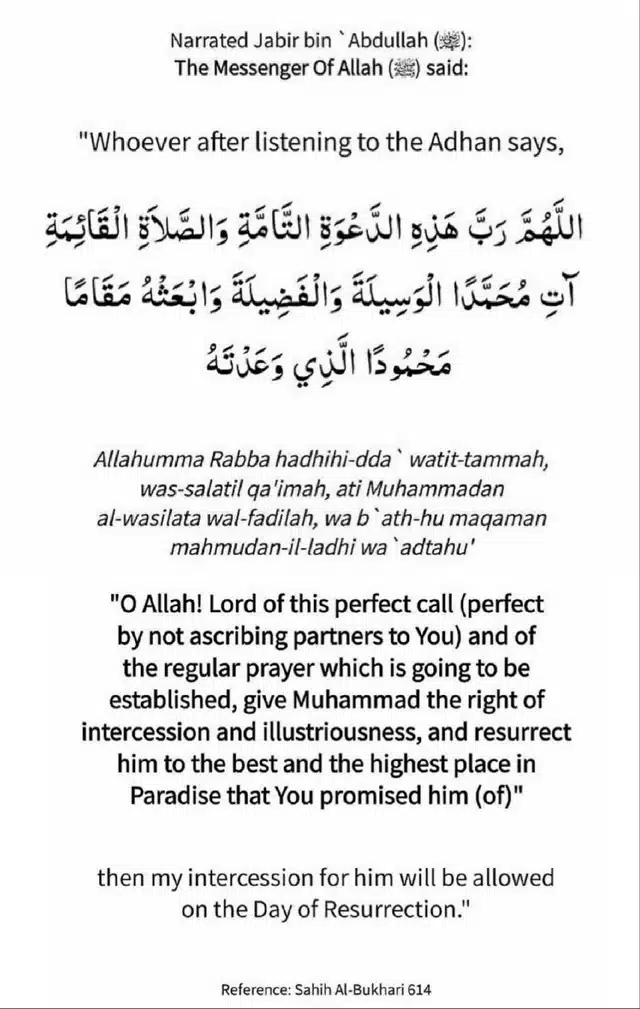
- After Adhan (the call to prayer).
- During Tashahhud in every Salah.
- On Fridays (Jumu’ah) — the Prophet ﷺ encouraged abundant Salawat on this day.
- Before and after making Dua.
- Anytime during the day or night when remembering the Prophet ﷺ.
A believer can recite Durood silently, aloud, or even while working — for every recitation, angels convey your blessings directly to the Prophet ﷺ.
Teaching Durood e Ibrahim to Kids and Beginners
Teaching children Durood e Ibrahim builds love for the Prophet ﷺ from an early age.
Parents can make it engaging by:
- Reciting it together before bedtime.
- Explaining its meaning in simple English.
- Using visual learning aids or songs for memorization.
Learning Durood e Ibrahim in English translation helps kids understand the purpose — sending peace and love to the Prophet ﷺ, who prayed for his Ummah day and night.
Spiritual and Emotional Benefits
Beyond reward, Durood e Ibrahim nourishes the heart.
It brings tranquility, emotional balance, and spiritual connection with Allah and His Messenger ﷺ.
Many believers testify that reciting Durood e Ibrahim daily brings:
- Relief from stress and grief.
- Barakah (blessing) in time, wealth, and health.
- Inner peace and closeness to Allah.
When the name of Prophet Muhammad ﷺ is mentioned, and a believer responds with Durood, it’s as if the soul itself smiles — illuminated by love and remembrance.
Durood e Ibrahim vs. Other Duroods
There are many other Duroods — such as Durood Tunjina, Durood Sharif, and Durood Nariya — each carrying unique virtues.
However, Durood e Ibrahim holds a special position because:
- It’s authentic and directly taught by the Prophet ﷺ.
- It’s obligatory in Salah.
- It’s universally accepted across all Islamic schools of thought.
Thus, while all forms of Salawat bring blessings, Durood e Ibrahim remains the most perfect and comprehensive.
Frequently Asked Questions (FAQ)
1. What is Durood e Ibrahim?
It is the most authentic form of sending blessings upon Prophet Muhammad ﷺ and his family, recited daily in Salah.
2. How many times should I recite Durood e Ibrahim daily?
There is no fixed limit. Recite as much as possible — the more you send blessings, the more mercy returns upon you.
3. Is Durood e Ibrahim compulsory in prayer?
Yes, it is an essential part of the Tashahhud in Salah after At-Tahiyyat.
4. Can children learn Durood e Ibrahim in English?
Absolutely. Teaching kids its meaning helps them develop love for the Prophet ﷺ.
5. What is the Durood Shareef translation in English?
“O Allah, send blessings upon Muhammad and the family of Muhammad, as You sent blessings upon Ibrahim and his family. You are Praiseworthy, Glorious.”
Conclusion
Durood e Ibrahim is not just a recitation — it’s a doorway to divine mercy, a reflection of our love for the Messenger ﷺ, and a path to Allah’s forgiveness.
By reciting this beautiful Durood daily — in Salah, during Dua, or whenever the Prophet’s name is mentioned — we strengthen our connection with both Allah and His beloved Messenger ﷺ.
Let’s make it a habit to recite Durood e Ibrahim with devotion — understanding its meaning and teaching it to our children, so the light of Salawat continues to shine through generations. Join our free trial classes to learn Quran recitation with Tajweed from certified tutors.