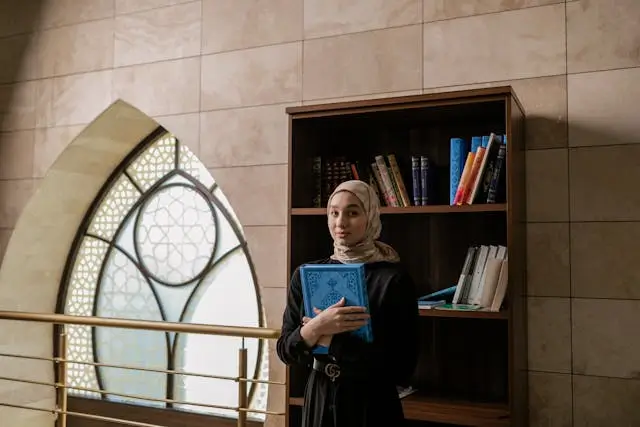
Dua After Salah – The Power of Supplication After Prayer
Every Muslim understands that Salah (prayer) is the heart of Islam — a daily connection between a believer and their Creator. Yet, what follows after Salah holds equally profound value: Dua (supplication).
Making Dua after Salah is one of the most beautiful and blessed ways to seek forgiveness, peace, and guidance from Allah ﷻ. It’s a moment of closeness, humility, and gratitude — when the heart is most open, and the soul most receptive.
In this article, we’ll explore the significance, method, and authentic supplications that every Muslim can recite after Fard Salah, after Fajr Salah, after Tahajjud, and more.
What Is Dua After Salah?
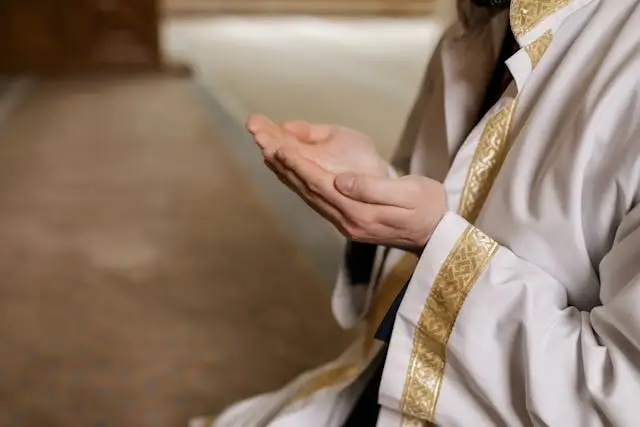
Dua after Salah means turning to Allah in personal supplication after completing one’s obligatory (Fard) or voluntary (Nafl) prayers. It’s a Sunnah act of worship that allows believers to express gratitude, seek forgiveness, and ask for their needs in this world and the Hereafter.
The Prophet Muhammad ﷺ said:
“The nearest a servant comes to his Lord is when he is prostrating, so make supplication (in this state).”
(Sahih Muslim)
While this hadith speaks of sujood, scholars also emphasize that the time after prayer is one of the most accepted moments for Dua.
The Importance and Virtue of Dua After Salah
Making Dua after Salah is not just a habit — it’s an act of love and remembrance.
Right after prayer, a believer’s heart is purified, their mind is calm, and their soul is connected to Allah. This is why the Prophet ﷺ encouraged continuous Dhikr and Dua once Salah is completed.
Key Benefits:
- It strengthens your relationship with Allah.
- It helps cleanse the heart from sins.
- It brings Sakoon (peace), barakah, and protection.
- It serves as a moment of reflection and gratitude.
Allah ﷻ says in the Qur’an:
“So remember Me; I will remember you. And be grateful to Me and do not deny Me.”
(Surah Al-Baqarah 2:152)
Masnoon Dhikr and Dua After Fard Salah
After completing every Fard Salah, the Prophet ﷺ used to engage in specific Dhikr (remembrance) and Masnoon Duas.
Here is a list of recommended recitations:
1. Seeking Forgiveness
Astaghfirullah (3 times)
This expresses humility and repentance after prayer.
2. Reciting Ayatul Kursi
“Allahu la ilaha illa Huwa Al-Hayyul-Qayyum…”
Reciting Ayatul Kursi (Surah Al-Baqarah, 2:255) after each Fard Salah protects the believer until the next prayer.
3. Tasbeeh Fatimah (Glorification of Allah)
- SubhanAllah (33 times)
- Alhamdulillah (33 times)
- Allahu Akbar (34 times)
This dhikr fills the heart with gratitude and remembrance.
4. Comprehensive Dua
اللهم أعني على ذكرك وشكرك وحسن عبادتك
Allahumma a‘inni ‘ala dhikrika wa shukrika wa husni ‘ibadatik.
O Allah, help me remember You, thank You, and worship You in the best manner.
How to Make Dua After Salah (Step-by-Step)
Many people ask, “How to make Dua after Salah properly?”
Here’s a simple guide according to Sunnah and scholarly consensus:
- Finish Salah completely (including Tasleem).
- Do the Masnoon Dhikr mentioned above.
- Face the Qiblah, sit calmly with full focus.
- Praise Allah first — say Alhamdulillah and SubhanAllah.
- Send blessings (Salawat) on Prophet Muhammad ﷺ.
- Make your Dua — for yourself, your family, and the Ummah.
- End your Dua again with Salawat and gratitude.
You may raise your hands while making dua — it’s permissible, though not obligatory after every prayer.
Dua After Fajr Salah – Starting the Day with Barakah
Fajr Salah holds a special blessing. The Prophet ﷺ said:
“O Allah, bless my nation in their early mornings.” (Tirmidhi)
After Fajr, it’s recommended to engage in remembrance and make dua before sunrise.
Common Duas after Fajr Salah include:
- “Rabbishrah li sadri wa yassir li amri.” (For confidence and ease in tasks)
- “Allahumma inni as’aluka ilman nafi’an, wa rizqan tayyiban, wa ‘amalan mutaqabbalan.”
O Allah, I ask You for beneficial knowledge, lawful sustenance, and accepted deeds.
This is also a great time to seek protection for the day — from harm, sin, and laziness.
Dua After Tahajjud Salah – When the Gates of Mercy Are Open
The Tahajjud prayer is one of the most powerful times to make dua.
In the last third of the night, Allah ﷻ descends to the lowest heaven and says:
“Who is calling upon Me so that I may answer him?” (Sahih Bukhari)
Dua after Tahajjud Salah carries immense spiritual weight.
This is the moment to pour your heart out — for forgiveness, health, guidance, and the Ummah.
Some beautiful Duas include:
- “Rabbana la tuzigh quloobana ba’da idh hadaytana…”
- “Allahumma inni zalamtu nafsi zulman kathira…” (from Hadith – asking for forgiveness).
The Power of Personal Dua After Salah
While there are many authentic supplications, the beauty of dua lies in personal connection.
Speak to Allah in your own language. Express your fears, your hopes, and your gratitude.
There is no restriction — Allah loves sincerity more than perfection in words.
“Call upon Me; I will respond to you.”
(Surah Ghafir 40:60)
Whether you’re asking for strength, forgiveness, guidance, or relief — Allah is always near.
Teaching Dua After Salah to Kids and Families
Teaching children Dua after Salah helps them develop love for prayer early on.
You can start by:
- Encouraging them to repeat simple dhikr (SubhanAllah, Alhamdulillah, Allahu Akbar).
- Using visual dua charts or Islamic learning games.
- Making dua together as a family — especially after Maghrib or Isha Salah.
This strengthens not only faith but also family unity and remembrance of Allah in the home.
Common Questions and Misunderstandings
Is Dua After Salah Sunnah or Bid’ah?
It is Sunnah to make Dua individually after Salah. Congregational dua every time is not compulsory but permissible if done occasionally.
Can We Make Dua in English?
Yes. Scholars agree that making dua in one’s native language is allowed, especially after prayer, as Allah understands every language.
Is There a Specific Dua After Every Salah?
There are recommended Duas, but you can make any personal supplication from the heart.
Benefits of Making Dua After Salah Regularly
- Strengthens one’s Iman (faith)
- Brings contentment and patience
- Increases productivity and focus throughout the day
- Helps cleanse the heart and renew sincerity
- Invites Allah’s mercy and barakah in one’s life
When a believer makes dua consistently after Salah, their day becomes structured around remembrance, peace, and divine connection.
Short Daily Dua List (With Meaning)
| Dua | Translation |
|---|---|
| Rabbighfir li, warhamni, wahdini, wa ‘afini, warzuqni | O Allah, forgive me, have mercy on me, guide me, grant me health, and provide for me. |
| Rabbana atina fid-dunya hasanah wa fil-akhirati hasanah wa qina ‘adhaban-nar | Our Lord, grant us good in this world and in the Hereafter and save us from the torment of the Fire. |
| Hasbiyallahu la ilaha illa Huwa | Allah is sufficient for me; there is no deity except Him. |
Conclusion
The moments after prayer are not to be rushed — they are gifts from Allah ﷻ. Through Dua, we speak directly to our Creator, expressing gratitude, hope, and need.
So the next time you finish Salah, take a moment. Sit calmly, raise your hands, and say your heartfelt Dua after Salah — whether it’s after Fajr, after Tahajjud, or any Fard prayer. Each word brings you closer to Allah and fills your heart with peace.
“When My servants ask you about Me, indeed I am near.”
(Surah Al-Baqarah 2:186).