What Is Shab‑e‑Barat? — The Night of Forgiveness
Shab‑e‑Barat, also known as Laylat al-Bara’ah or the Night of Forgiveness, is a deeply spiritual and significant night in the Islamic calendar. Observed on the 15th of Shaʿbān, this night holds great meaning for Muslims around the world — a time to seek Allah’s mercy, repent, and reflect on one’s deeds.
In this guide, we will explore what Shab‑e‑Barat is, its history, how it is observed, common misconceptions, and practical ways to make the most of this blessed night.

The Meaning and Significance of Shab‑e‑Barat
Definition and Etymology
- Shab‑e‑Barat literally means the “Night of Freedom” or “Night of Innocence,” derived from the Persian/Urdu word “Barat” (innocence, deliverance).
- In Arabic, it is often referred to as Laylat al‑Bara’ah, meaning “Night of Emancipation (from sins).”
- It is also called Nisf Shaʿbān, which means “middle of Shaʿbān.”
Spiritual Importance
- Believed by many to be a night when Allah’s mercy and forgiveness are especially abundant.
- Some traditions hold that on this night, Allah forgives many sins and determines people’s destinies for the coming year.
- It acts as a spiritual preparation for the month of Ramadan, encouraging believers to seek repentance and purification.
When Is Shab‑e‑Barat Observed?
- Shab‑e‑Barat is observed on the 15th night of Shaʿbān, the eighth month in the Islamic lunar calendar.
- Because the Islamic calendar is lunar, the date shifts each year by about 10–12 days relative to the Gregorian calendar.
- Observance may vary in cultural practice across different regions and Muslim communities, but the core spiritual emphasis remains the same.
History and Scholarly Perspectives
Origins and Historical Context
- The concept of mid‑Shaʿbān has been mentioned in various Islamic sources, including hadith literature, though the authenticity of some narrations is debated among scholars.
- There are narrations in which Prophet Muhammad (peace be upon him) reportedly encouraged extra worship (like prayer and charity) during this night, though not all scholars agree on the strength of these reports.
Scholarly Opinions
- Supportive View: Many scholars view the night as blessed and encourage voluntary acts of worship (nafl), duʿā, and dhikr.
- Cautionary View: Some scholars warn against excessive ritualization or declaring fixed acts as required, citing potential for bidʿah (innovation).
- The differences stem from varying interpretations of hadith and early Islamic scholarship.
How Muslims Observe Shab‑e‑Barat
Night‑time Worship and Prayer
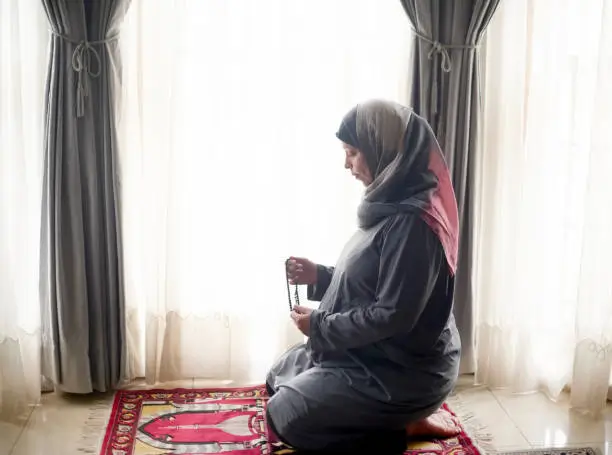
- Voluntary Prayers (Nawāfil): Many Muslims perform extra prayers late into the night, seeking forgiveness and closeness to Allah.
- Qur’an Recitation: Reading from the Qur’an, especially verses emphasizing repentance, mercy, and Allah’s forgiveness.
- Dhikr and Duʿā: Engaging in repeated remembrance of Allah (Subḥānallah, Al‑ḥamdu lillāh, La ilāha illā Allāh) and making personal supplications for oneself and others.
Charity and Good Deeds
- Sadaqah (Voluntary Charity): Giving to the poor and needy is highly recommended, as acts of generosity on this night carry extra reward.
- Visiting Graves: In some communities, Muslims visit the graves of loved ones, offer duʿā for their souls, and reflect on mortality.
Optional Fasting
- Some Muslims choose to fast before or after the 15th of Shaʿbān (e.g., on the 14th, 15th, or 16th), though there is no unanimous consensus that a fast on this night is obligatory.
- Such fasting is viewed by many as a means of spiritual purification rather than a mandatory obligation.
Common Misconceptions About Shab‑e‑Barat
- It is not an obligatory night: The extra prayers and duʿā are voluntary (nafl), not required like the five daily Salah.
- Fasting is not compulsory: While some fast around this time, it is a recommended or voluntary act in many traditions, not a fixed Sunnah.
- It is not a night to predict fate with superstition: While some may believe destinies are “written” on this night, Islam teaches reliance on Allah, repentance, and humble duʿā — not fortune-telling.
Practical Tips for Observing Shab‑e‑Barat
- Set Your Intention (Niyyah): Begin the night with a sincere intention to seek Allah’s forgiveness and His mercy.
- Plan Quiet Time: Choose a quiet space for prayer and reflection, where you can minimize distractions and focus on your worship.
- Use Structured Worship: You might perform a few units (rakaʿāt) of voluntary prayers, or opt for shorter nafl if staying up all night is difficult.
- Recite Qur’an Wisely: Select chapters or verses that emphasize mercy, repentance, or Allah’s forgiving nature.
- Make Duʿā for Yourself and Others: Use this night to pray for your family, community, and the broader Ummah — as well as your own spiritual growth.
- Give Charity: Even a small amount of sadaqah is meaningful. Giving on a night of forgiveness aligns with Islamic virtues of mercy and generosity.
- Reflect and Repent: Take time to honestly assess your relationship with Allah — what you need to improve, what you are grateful for, and your goals for the coming year.
Why This Night Matters in the Life of a Muslim
- Spiritual Renewal: Shab‑e‑Barat offers Muslims an opportunity to reset, renew their faith, and seek forgiveness.
- Connection with Allah: Through duʿā, dhikr, and prayer, believers deepen their awareness of Allah’s mercy.
- Preparation for Ramadan: The night builds spiritual momentum, preparing hearts and minds for the sacred month of fasting.
- Community and Compassion: Acts of charity and remembrance strengthen bonds between individuals and encourage empathy for those in need.
Further Learning
- To deepen your understanding of the Qur’an and its spiritual guidance, you can explore our Quranic Arabic Course to better appreciate the verses you recite on nights like Shab‑e‑Barat.
- If you wish to strengthen your connection with the Qur’an through consistent recitation and revision, consider our Quran Memorization (Hifz) Programme — an excellent way to build a lasting bond with Allah’s word.
Frequently Asked Questions (FAQs)
Q1: What is Shab‑e‑Barat?
A: Shab‑e‑Barat is the “Night of Forgiveness,” observed on the 15th of Shaʿbān, when Muslims seek Allah’s mercy, repentance, and guidance.
Q2: Why do Muslims observe this night?
A: It is believed to be a night of special mercy, when Islamically significant acts like duʿā, prayer, and charity are more greatly rewarded.
Q3: Is fasting required on Shab‑e‑Barat?
A: No, fasting is optional and not universally agreed upon as a required practice.
Q4: What worship is recommended on Shab‑e‑Barat?
A: Voluntary prayers (nawāfil), Qur’an recitation, dhikr, personal supplications, and giving charity are common and encouraged.
Q5: Is Shab‑e‑Barat a night for predicting destiny?
A: While some traditions mention that destinies are recorded on this night, Islam emphasizes repentance, humility, and reliance on Allah — not superstitious practices.
Conclusion
Shab‑e‑Barat is a cherished night in the Islamic tradition — a moment for reflection, repentance, and renewed connection with Allah. It offers believers a powerful opportunity to ask for forgiveness, perform extra acts of worship, and show compassion through charity.
The significance of this night lies not in rigid rituals or supernatural expectations, but in the sincerity of hearts, the humility of prayer, and the mercy of Allah. By observing Shab‑e‑Barat with genuine intention and devotion, we draw closer to our Creator and strengthen our spiritual lives.