Aims of Islamic Education – Objectives and Goals Explained
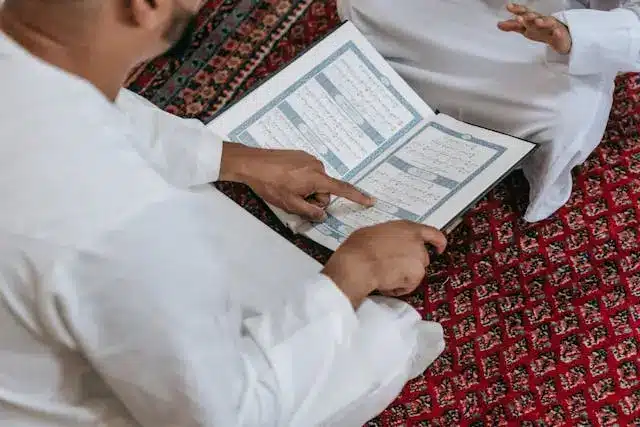
Islamic education is more than the mere acquisition of knowledge; it is a comprehensive system designed to shape individuals spiritually, morally, intellectually, and socially. Rooted in the Qur’an and Sunnah, its aims extend beyond academic learning to cultivate ethical, responsible, and spiritually aware members of society. Understanding the aims of Islamic education is essential for students, educators, and parents seeking to nurture holistic development within an Islamic framework.
What is Islamic Education? Definition and Scope
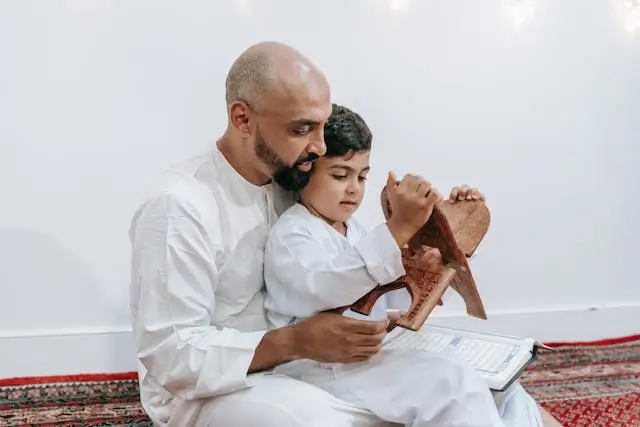
Islamic education is an organized system of learning that integrates religious knowledge with intellectual, moral, and social development. Its primary focus is to guide individuals towards spiritual excellence while equipping them with knowledge and skills applicable to worldly and spiritual life.
Scope of Islamic Education includes:
- Spiritual Education: Strengthening faith (iman), Taqwa, and Ihsan.
- Moral Development: Cultivating honesty, integrity, compassion, and justice.
- Intellectual Growth: Learning Qur’an, Hadith, Fiqh, Arabic, and contemporary sciences.
- Social Responsibility: Encouraging ethical behavior, community service, and leadership.
- Cultural Awareness: Preserving Islamic identity, heritage, and traditions.
Islamic education is holistic, aiming to produce individuals who balance worldly knowledge and religious wisdom, guiding them toward success in both life and the Hereafter.
Historical Background of Islamic Education
Islamic education has evolved over centuries, beginning with the early Madrasas and learning circles of the Prophet Muhammad (peace be upon him) and his companions. Historically, these institutions emphasized memorization of the Qur’an, understanding Hadith, and applying knowledge to daily life.
Early Islamic Education
- Teaching Qur’an and Sunnah as the foundation of all knowledge.
- Focusing on memorization (Hifz) and moral guidance.
- Emphasizing ethical and social conduct as integral to education.
Development Through the Ages
- Classical Islamic scholars like Al-Ghazali and Ibn Khaldun contributed to the philosophy and methods of education.
- Madrasas expanded to include secular sciences alongside religious teachings.
- The educational model influenced curricula across the Muslim world, promoting a balanced approach between faith and reason.
This historical context highlights the enduring relevance of Islamic education in cultivating knowledgeable, ethical, and spiritually grounded individuals.
Core Aims of Islamic Education
The aims of Islamic education can be broadly categorized into spiritual, moral, intellectual, social, and cultural objectives. These aims ensure holistic development and prepare individuals to navigate both worldly and spiritual responsibilities.
Spiritual Development
Objective: To nurture a deep connection with Allah and instill Taqwa (God-consciousness).
Islamic education emphasizes spiritual growth through:
- Learning and understanding the Qur’an and Hadith.
- Practicing Salah (prayer) and Dhikr (remembrance of Allah).
- Developing Ihsan (excellence in worship and conduct).
Importance: Spiritual development forms the foundation of all other educational aims, guiding ethical behavior and shaping character aligned with Islamic principles.
Moral and Ethical Development
Objective: To cultivate virtues such as honesty, justice, compassion, patience, and humility.
Methods include:
- Studying the Seerah (Prophet’s life) to learn exemplary conduct.
- Applying ethical lessons in daily life and decision-making.
- Encouraging students to act as responsible and morally upright members of society.
Moral education ensures that knowledge is applied in ways that benefit individuals and their communities, promoting harmony and social cohesion.
Intellectual Development
Objective: To develop critical thinking, reasoning, and the ability to seek and apply knowledge effectively.
Islamic education promotes intellectual growth by:
- Teaching religious sciences like Tafsir, Fiqh, Hadith, and Aqeedah.
- Integrating worldly knowledge such as mathematics, natural sciences, and humanities.
- Encouraging problem-solving, analysis, and ethical decision-making.
Significance: Intellectual development empowers individuals to contribute positively to society while maintaining a strong ethical and spiritual framework.
Social and Civic Development
Objective: To prepare individuals for active and responsible participation in society.
Key components include:
- Fostering community awareness and civic responsibility.
- Promoting teamwork, leadership, and social service.
- Encouraging compassion, charity, and empathy for others.
Islamic education emphasizes that personal development is incomplete without contributing positively to society and upholding social justice.
Cultural and Identity Development
Objective: To preserve Islamic heritage, identity, and cultural values.
Approaches include:
- Teaching Islamic history, traditions, and languages such as Arabic.
- Encouraging pride in Islamic civilization and achievements.
- Strengthening personal and communal identity while navigating modern challenges.
Benefit: Cultural education reinforces self-confidence, belonging, and an understanding of Islam’s global contribution to knowledge and civilization.
Methods and Approaches in Islamic Education
Islamic education employs both traditional and contemporary methods to achieve its aims.
Traditional Pedagogy
- Memorization: Qur’an memorization (Hifz) to internalize sacred texts.
- Teacher-Centered Learning: Instruction from scholars (Ustad-Talib system).
- Mentorship: Close guidance from teachers to develop character and knowledge.
Contemporary Approaches
- Student-Centered Learning: Encourages critical thinking and active participation.
- Blended Learning: Combining online tools with classroom education for flexibility.
- Experiential Learning: Community projects, social service, and practical applications.
Integrating modern educational tools ensures Islamic education remains relevant in contemporary contexts while preserving its core objectives.
Relevance of Islamic Education Today
Islamic education addresses both spiritual and societal needs in the modern world:
- Encourages ethical decision-making in complex situations.
- Bridges traditional knowledge with contemporary sciences.
- Prepares individuals for leadership and responsible citizenship.
By maintaining the balance between faith and reason, Islamic education cultivates well-rounded, morally upright, and knowledgeable individuals capable of contributing positively to society.
Challenges in Achieving the Aims
While Islamic education has clear objectives, challenges exist:
- Limited Trained Educators: Shortage of qualified teachers in specialized subjects.
- Curriculum Gaps: Integrating religious and modern education effectively.
- Cultural and Social Pressures: Navigating Western influences while preserving Islamic values.
- Technological Constraints: Adapting to digital learning without compromising Islamic ethics.
Overcoming these challenges requires reform, innovation, and community support to ensure the educational system fulfills its intended aims.
Benefits of Achieving the Aims of Islamic Education
When implemented effectively, Islamic education produces:
- Spiritually conscious, ethical, and morally upright individuals.
- Academically proficient and intellectually capable students.
- Responsible citizens who contribute to social harmony and justice.
- Culturally aware individuals proud of their Islamic heritage.
The holistic development achieved through Islamic education ensures individuals succeed in both worldly and spiritual spheres.
Enhance Your Islamic Education with Online Quran Classes
Understanding the aims of Islamic education is just the first step. Our online Quran teaching services help students of all ages develop a strong spiritual foundation, memorize the Qur’an, and master Tajweed with personalized lessons from certified UK-based tutors. Book a free trial today.
FAQs – Aims of Islamic Education
Q1: What are the primary aims of Islamic education?
A: To foster spiritual, moral, intellectual, social, and cultural development in alignment with Islamic principles.
Q2: How does Islamic education develop moral character?
A: Through teaching Qur’an, Hadith, Seerah, and encouraging ethical decision-making in daily life.
Q3: Is modern education compatible with Islamic education?
A: Yes, integrating contemporary sciences and technology with Islamic teachings enhances relevance and holistic growth.
Q4: How does Islamic education benefit society?
A: It cultivates responsible, ethical, and knowledgeable individuals who contribute positively to communities.
Q5: What methods are used to achieve Islamic education goals?
A: Traditional teacher-led learning, mentorship, memorization, experiential learning, and student-centered approaches.
Conclusion
The aims of Islamic education encompass spiritual, moral, intellectual, social, and cultural objectives. By guiding individuals to develop Taqwa, strong character, critical thinking, civic responsibility, and cultural awareness, Islamic education fosters holistic growth. Its timeless principles remain relevant in today’s world, equipping students to navigate modern challenges while upholding the ethical and spiritual values central to Islam.