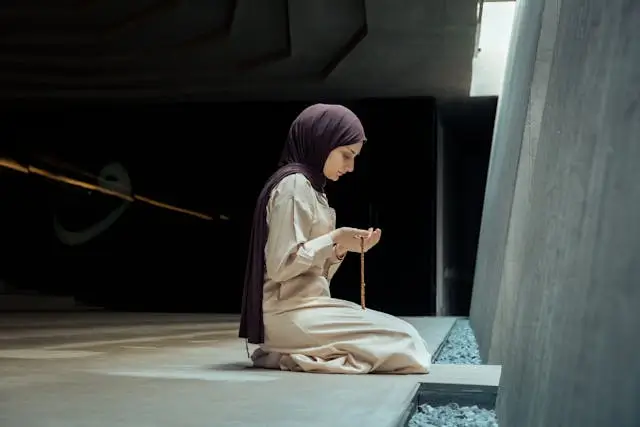
Dua for 2nd Ashra of Ramadan – Days of Forgiveness
Ramadan is a blessed month that holds immense spiritual opportunities for Muslims worldwide. It is traditionally divided into three Ashras or ten-day periods, each with a unique theme. The second Ashra (11th–20th days) is known as the Days of Forgiveness (Maghfirah), a time when Allah’s mercy and forgiveness are abundant for those who sincerely seek it. Reciting duas during this period allows believers to reflect on their actions, repent for past mistakes, and draw closer to Allah (SWT).
This article provides a detailed guide on the most recommended duas for the 2nd Ashra of Ramadan, their meanings, benefits, and tips on how to recite them effectively.
Significance of the Second Ashra
The second Ashra holds a special place in Ramadan, focusing on forgiveness. While the first ten days are the Days of Mercy, the second ten encourage believers to seek repentance and cleanse the heart from past sins.
Why the Second Ashra is Important:
- It emphasizes Maghfirah (forgiveness) and turning to Allah with sincerity.
- Aims to prepare the believer spiritually for the last ten nights, which focus on salvation.
- Provides an opportunity to strengthen faith, habits, and devotion.

Recommended Duas for 2nd Ashra of Ramadan
1. Sayyid al-Istighfar (Prophetic Dua for Forgiveness)
This is considered the most comprehensive dua for seeking forgiveness:
Arabic:
اللّهُمّ أنت ربي لا إله إلا أنت، خلقتني وأنا عبدك، وأنا على عهدك ووعدك ما استطعت، أعوذ بك من شر ما صنعت، أبوء لك بنعمتك علي وأبوء بذنبي، فاغفر لي فإنه لا يغفر الذنوب إلا أنت
Transliteration:
Allahumma anta Rabbi la ilaha illa anta, khalaqtani wa ana ‘abduka, wa ana ‘ala ‘ahdika wa wa‘dika ma istata‘tu, a‘udhu bika min sharri ma san‘tu, aboo’u laka bini‘matika ‘alayya, wa aboo’u bidhanbi, faghfir li fa innahu la yaghfiru adh-dhunuba illa anta
Meaning:
“O Allah, You are my Lord; there is no deity except You. You created me, and I am Your servant, and I abide by Your covenant and promise as best as I can. I seek refuge in You from the evil of what I have done. I acknowledge Your blessings upon me and I acknowledge my sins. Forgive me, for no one forgives sins except You.”
Benefits:
- Purifies the heart and soul.
- Strengthens sincerity in worship.
- Highly recommended for recitation in the second Ashra.
2. Qur’anic Duas for Forgiveness
Dua of Prophet Adam (AS)
Arabic:
رَبَّنَا ظَلَمْنَا أَنفُسَنَا وَإِن لَّمْ تَغْفِرْ لَنَا وَتَرْحَمْنَا لَنَكُونَنَّ مِنَ الْخَاسِرِينَ
Transliteration:
Rabbana zalamna anfusina wa in lam taghfir lana wa tarhamna lanakoonanna minal-khasireen
Meaning:
“Our Lord! We have wronged ourselves, and if You do not forgive us and have mercy upon us, we will surely be among the losers.”
Dua of Prophet Yunus (AS)
Arabic:
لَا إِلَهَ إِلَّا أَنتَ سُبْحَانَكَ إِنِّي كُنتُ مِنَ الظَّالِمِينَ
Transliteration:
La ilaha illa anta subhanaka inni kuntu minaz-zalimin
Meaning:
“There is no deity except You; exalted are You. Indeed, I have been of the wrongdoers.”
Benefits of Qur’anic Duas:
- Connecting with the guidance of prophets.
- Seeking forgiveness in a comprehensive, spiritually accepted manner.
3. General Duas for Protection and Mercy
- Dua for personal sins: Astaghfirullah Rabbi min kulli dhanbin wa atubu ilayh
- Dua for parents and family: Rabbighfir li waliwalidayya wa lilmu’minina
- Dua for protection from punishment and evil: Allahumma qini ‘adhabaka yawma tab’athu ‘ibadak
Strengthen your body and soul by reciting the powerful dua for health for healing and protection.
Daily Dua Plan for the Second Ashra
To make your worship consistent, here is a suggested day-by-day guide:
| Day | Suggested Dua | Focus |
|---|---|---|
| 11 | Sayyid al-Istighfar | Repentance & self-reflection |
| 12 | Adam (AS) dua | Forgiveness for personal sins |
| 13 | Yunus (AS) dua | Relief from distress and burdens |
| 14 | Ibrahim (AS) dua | Forgiveness for self & family |
| 15 | General istighfar | Heart purification |
| 16 | Dua for parents | Blessings for family |
| 17 | Dua for mercy | Inner peace and guidance |
| 18 | Protection dua | Protection from evil & sins |
| 19 | Gratitude & forgiveness | Acknowledge Allah’s mercy |
| 20 | Acceptance of deeds | Prepare spiritually for last Ashra |
Stay close to Allah by reciting the recommended dua after salah for guidance and peace of heart.
Benefits of Reciting Duas in the Second Ashra
- Spiritual purification: Removes the burden of past mistakes.
- Closeness to Allah: Strengthens faith and sincerity.
- Forgiveness and mercy: Opens the door to divine blessings.
- Guidance for daily life: Helps develop patience, kindness, and reflection.
How to Recite Duas in the Second Ashra
- Timing: After Salah, before Iftar, or during night prayers (Qiyam-ul-Layl).
- Manner: Raise your hands, focus, and recite with sincerity.
- Language: Arabic is preferred, but any language is acceptable if intention is sincere.
- Consistency: Recite regularly; even small consistent efforts are highly rewarded.
Practical Tips to Maximize Forgiveness
- Increase Qur’an recitation and reflection.
- Give charity and perform acts of kindness.
- Avoid major sins; practice self-discipline and mindfulness.
- Include istighfar throughout daily activities.
- Combine dua with practical action: helping others, forgiving, and seeking knowledge.
Frequently Asked Questions (FAQ)
1. Can I recite my own words instead of prescribed duas?
Yes, Allah accepts sincere dua in any language or wording.
2. Are these duas obligatory or recommended?
They are highly recommended (mustahabb) but not obligatory (wajib).
3. Can I combine duas from first and second Ashra?
Yes, you may combine them to maintain consistency in worship.
4. Do I need to recite the same dua daily?
No, variation is allowed; consistency and sincerity matter most.
5. Can I make dua in my own language?
Yes, the intention and sincerity of the heart are key.
Conclusion
The second Ashra of Ramadan is a precious opportunity to seek forgiveness, purify the soul, and strengthen your connection with Allah. By reciting these authentic duas and implementing practical worship, believers can maximize spiritual growth and mercy during these blessed days. Consistency, reflection, and sincere repentance prepare the heart for the final ten nights, where the pursuit of salvation reaches its peak.