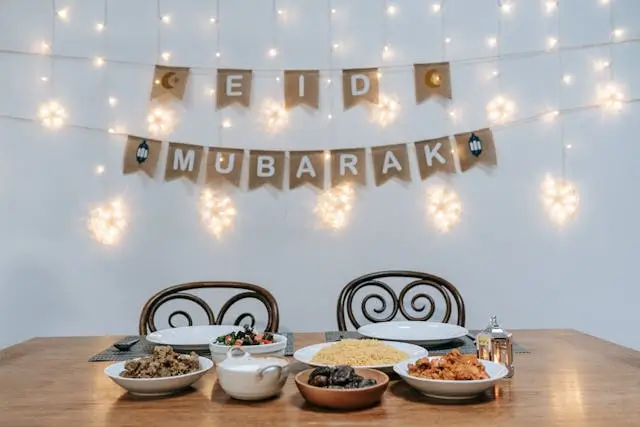
Eid ul Fitr 2026: A Spiritual Celebration of Faith, Unity & Joy
Eid ul‑Fitr, often called the “Festival of Breaking the Fast,” marks the end of the blessed month of Ramadan. It is a moment of deep spiritual significance for Muslims around the world, symbolizing gratitude, renewal, and community. After a month of fasting, prayer, and self-reflection, Eid brings families together, highlights acts of charity, and strengthens bonds within Muslim communities.
🌙 Eid ul-Fitr 2026 UK Countdown 🌙
Get ready to celebrate the joyous festival of Eid!
Eid ul-Fitr 2026 is expected on Friday, 20 March 2026 in the UK (subject to moon sighting).
🌟 May Allah bless you with peace, joy, and togetherness this Eid! 🌟
Understanding Eid ul‑Fitr 2026 – Date & Determination
Predicted Eid ul-Fitr 2026 Date
Based on current astronomical projections, Eid ul-Fitr 2026 is expected to begin on Friday, March 20, 2026, in many regions.
- UAE: In the UAE, this corresponds with a projected three-day public holiday (March 20–22), allowing families and communities to celebrate together. (Time Out Dubai)
- UK: For Muslims in the UK, Eid is likely to be observed on Friday, March 20, 2026, with local mosques confirming the official date based on moon sighting reports. While not a statutory public holiday, many UK Muslims plan personal leave to attend prayers and family celebrations. (HRF UK)
- Other countries: Dates may vary slightly across countries like Pakistan, India, and Saudi Arabia, depending on local crescent sightings.
However, because Eid depends on the sighting of the Shawwal crescent, the exact day may vary by country and local moon-sighting committees. (Khaleej Times)
How the Date of Eid Is Determined
Eid ul-Fitr falls on the first day of Shawwal, the 10th month in the Islamic lunar (Hijri) calendar. The start of Shawwal is traditionally confirmed when the new moon (hilal) is sighted after sunset on the 29th day of Ramadan. If the crescent is not seen, Muslims complete 30 days of fasting.
In recent years, some communities use astronomical and scientific calculations to predict the new moon, while others adhere strictly to local sighting. This diversity reflects both tradition and modern methods.
UK-specific note: Local mosques and Islamic councils, such as the Fiqh Council of UK, announce the official Eid date once the moon is sighted, ensuring communities can plan prayers, family gatherings, and festive events accordingly.
Spiritual Importance & Rituals of Eid ul‑Fitr
The Eid Prayer (Salat al‑Eid)
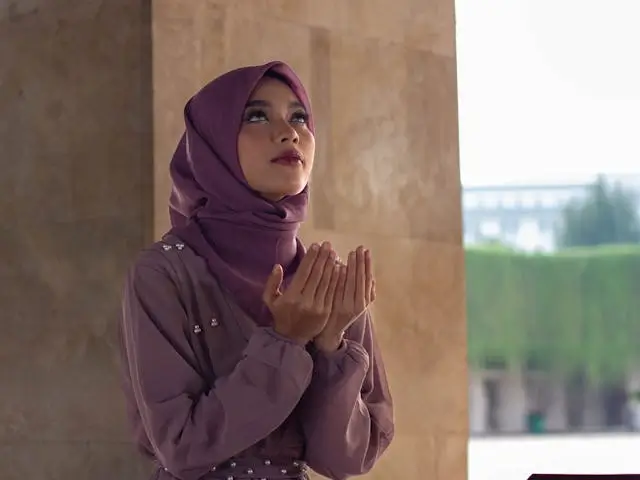
On the morning of Eid, Muslims gather for Salat al‑Eid — a special congregational prayer. The prayer usually happens in an open field or mosque, and is accompanied by the Takbiratul Ihram (proclaiming “Allahu Akbar”) and a sermon (khutbah). It is a time of collective worship and gratitude.
Zakat al‑Fitr – Charity of Eid
Before the Eid prayer, it is a common and much-recommended practice to give Zakat al‑Fitr, a charity that ensures the less fortunate share in the joy of Eid. This act is deeply rooted in compassion and community solidarity.
Families, Feasting & Greetings
Eid ul‑Fitr is not only a day of worship but also a time for family and celebration. Common traditions include:
- Wearing new or special clothes
- Visiting relatives and friends
- Exchanging warm greetings of “Eid Mubarak”
- Enjoying festive meals and sweet treats (such as dates, traditional desserts, and rich dishes)
Cultural Celebrations Around the World
Eid ul‑Fitr 2026 will be celebrated in diverse ways, reflecting the rich tapestry of global Muslim cultures.
Middle East (e.g., UAE)
In many Gulf countries, Eid is celebrated with large communal prayers, family gatherings, and generous gift-giving. In the UAE, residents may enjoy a long weekend during Eid, as predicted in the 2026 public holiday calendar. Gulf News+2Gulf News+2
Public events and community meals are common, often accompanied by charity drives and festive decorations.
South Asia (Pakistan, India, Bangladesh)
Eid traditions in South Asia are colorful and heartwarming. Families often prepare elaborate dishes, host open houses, and decorate homes with lights and vibrant fabrics. Gift-giving (Eidi) to children is a cherished custom, and sweets like Sheer Khurma or Kheer are staples on Eid mornings.
Western Countries (UK, USA, Canada)
Muslim diaspora communities celebrate Eid with a mix of tradition and local flavor. In the UK, for example, mosques host special morning prayers, and community centers organize Eid bazaars. Some families combine traditional customs with local practices—sharing special meals, holding family gatherings, and supporting local charity initiatives.
Planning & Preparations for Eid ul‑Fitr 2026
Spiritual Preparation
- Reflect and make duʿā: Use the last days of Ramadan to reflect on your journey, express gratitude, and pray for continued guidance.
- Plan for giving: Calculate your Zakat al-Fitr in advance so it’s ready before Eid morning.
Practical Planning
- Mark your calendar: Based on predictions, many might plan for March 20–22, 2026.
- Prepare your outfit and gifts: Consider both traditional attire and meaningful, modest gifts for loved ones.
- Decorations & home atmosphere: Simple decorations (lanterns, lights) can infuse your home with a celebratory spirit.
Community & Charity Activities
- Organize or participate in a local charity event, food drive, or communal Iftar
- Volunteer at mosques or community centers during Eid to serve food or help with cleanup
- Encourage sharing: give Eid cards, sweets, or meals to neighbors, especially those in need
Reflecting on Eid ul‑Fitr – A Time for Gratitude & Renewal
Eid ul‑Fitr is more than a festivity; it is a deeply spiritual moment in the Islamic year. It reminds us of Allah’s mercy, the gift of community, and the importance of generosity. As we approach Eid 2026, here are a few thoughtful reflections:
- Gratitude: Celebrate with a heart full of thankfulness for the strength to complete Ramadan.
- Charity: Let Zakat al-Fitr and daily acts of kindness deepen your connection to others.
- Unity & Peace: Use this time to strengthen bonds with family, friends, and your broader community.
- Spiritual Renewal: Carry the lessons of Ramadan into Shawwal and beyond — continue to pray, reflect on the Qur’an, and grow in faith.
Common Questions & Concerns (FAQs)
- When is Eid ul‑Fitr 2026?
Predicted to fall on March 20, 2026, but the exact date depends on moon sighting. - Why do Eid dates differ across countries?
Differences arise due to variation in moon sighting and whether communities follow local sightings or global announcements. - How long does Ramadan last?
Ramadan can last 29 or 30 days, depending on when the crescent moon is sighted at the end of the month. - What is Zakat al‑Fitr and when should it be given?
It is a charitable donation given before Eid prayer to support those in need, ensuring they can celebrate Eid as well. - How can families celebrate Eid in a meaningful way?
Combine spiritual acts (prayer, duʿā, Quran reflection) with family traditions, community service, and heartfelt gatherings.
Conclusion
Eid ul‑Fitr 2026 promises to be a blessed and joyous occasion for Muslims around the world. While the date is expected to be March 20, the true beauty of Eid lies not just in the calendar, but in the sincerity of worship, the generosity we share, and the love we show to one another. Whether you plan to spend it in quiet prayer, bustling community gatherings, or heartfelt family moments — may your Eid be filled with peace, gratitude, and divine blessings.
Eid Mubarak in advance — may Allah accept your fasting, prayers, and good deeds.