What is Qurbani 2026 – A Complete Guide to Eid al-Adha Sacrifice
Qurbani, often referred to as Udhiyah, is a vital act of worship in Islam performed during the festival of Eid al-Adha. It commemorates the devotion of Prophet Ibrahim (AS) when he showed complete submission to Allah’s command. Qurbani is not only a spiritual exercise but also a means to share blessings with the needy and strengthen community bonds. Understanding its purpose, rules, and significance helps Muslims perform this sacred duty correctly and reap its full reward.
Introduction to Qurbani
Qurbani literally means “sacrifice” in Arabic. Every year, during the Islamic month of Dhul Hijjah, Muslims who meet certain eligibility criteria offer a specific animal as a symbol of devotion and submission to Allah. This ritual is closely associated with Eid al-Adha, the “Festival of Sacrifice,” and reflects obedience, gratitude, and compassion.
Qurbani is not merely a ritual; it carries deep spiritual significance. Through this act, Muslims reaffirm their faith, demonstrate willingness to submit to divine commands, and share the blessings of Allah with family, friends, and those in need. It strengthens the sense of community, reminds believers of the importance of charity, and nurtures empathy for the less fortunate.
The Story Behind Qurbani
Prophet Ibrahim’s Test and the Sacrifice
The origin of Qurbani traces back to Prophet Ibrahim (AS), who received a divine command to sacrifice his beloved son as a test of obedience. Prophet Ibrahim’s unwavering faith and willingness to comply exemplify the essence of submission to Allah. As he prepared to fulfill the command, Allah replaced his son with a ram, demonstrating that the act was about sincerity and devotion rather than the act of killing itself.
This story underpins the spiritual depth of Qurbani, teaching Muslims the values of trust, obedience, and sacrifice in the path of Allah.
The Spiritual Meaning of Qurbani
Qurbani is a symbolic act of submitting to the will of Allah, expressing gratitude for His blessings, and sharing one’s wealth with the needy. It serves as a reminder of life’s trials, the importance of selflessness, and the significance of helping those less fortunate.
The ritual encourages believers to reflect on their faith, deepen their spiritual connection, and embody the principles of compassion, humility, and generosity.
Who Must Give Qurbani?
Eligibility Criteria in Islam (Hanafi Perspective)
In the Hanafi school of thought, Qurbani is Wajib (obligatory) for Muslims who meet the following criteria:
- Must be an adult.
- Must be sane and of sound mind.
- Must be a resident (i.e., not a traveler exempt temporarily).
- Must possess wealth above the Nisab (minimum threshold) after meeting basic needs.
Those who do not meet these criteria, such as children or financially incapable individuals, are exempt.
Differences Across Islamic Schools of Thought
While Qurbani is Wajib in Hanafi fiqh for eligible individuals, it is considered Sunnah Mu’akkadah (highly recommended) in other schools like Shafi’i, Maliki, and Hanbali. Highlighting these differences ensures clarity for readers following diverse jurisprudential practices while maintaining Hanafi focus for your primary audience.
Types of Animals Used for Qurbani
Acceptable Animals
Qurbani can be performed using the following animals, which must meet specific health and age requirements:
- Goat or sheep: minimum one year old.
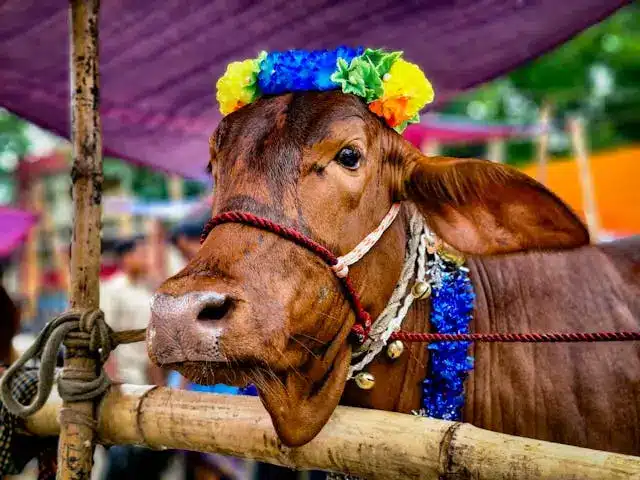
- Cow: minimum two years old.
- Camel: minimum five years old.
The animals must be healthy, free from defects, and suitable for sacrifice according to Sharia.
Rules for Sharing Animals
One cow or camel may be shared among up to seven eligible individuals, allowing families or groups to fulfill their obligations collectively. The meat is then divided equally among participants, family, and the needy. Sharing not only ensures compliance with fiqh rules but also promotes communal harmony and charity.
How to Perform Qurbani
Timing of Qurbani
Qurbani is performed after Eid Salah on the 10th of Dhul Hijjah and may continue until sunset on the 12th of Dhul Hijjah. Performing the sacrifice at the correct time ensures adherence to the Sunnah and maximizes the spiritual reward.
Slaughtering Rules and Guidelines
The animal must be slaughtered following halal procedures:
- Pronouncing the name of Allah (Bismillah) before slaughter.
- Using a sharp instrument to ensure swift, humane slaughter.
- Ensuring the welfare of the animal throughout.
These rules preserve the sanctity of the act and comply with Islamic law.
Modern Methods: Online Qurbani Services
For Muslims living in countries where traditional slaughter is challenging, online Qurbani services provide a practical solution. These platforms facilitate:
- Donation-based Qurbani.
- Halal slaughter in compliance with Sharia.
- Meat distribution to the needy.
Such services allow believers to fulfill their obligations easily and securely while maximizing charitable impact.
Importance and Benefits of Qurbani
Qurbani provides numerous spiritual, social, and emotional benefits:
- Spiritual reward: Following the Sunnah of Prophet Ibrahim (AS) and Prophet Muhammad ﷺ.
- Charity and empathy: Feeding the poor, supporting orphans, and sharing wealth.
- Community building: Strengthening family ties and communal solidarity.
- Reminder of gratitude: Reflecting on blessings and expressing thankfulness to Allah.
Common Misconceptions About Qurbani
- Paying Zakat does not replace Qurbani; both are distinct acts of worship.
- Fasting is unrelated to Qurbani eligibility.
- Online Qurbani services are valid if Sharia compliance and halal slaughter are ensured.
- Qurbani for the deceased is permissible and brings ongoing reward.
Frequently Asked Questions (FAQ)
What is the meaning of Qurbani?
Qurbani is the ritual sacrifice of an eligible animal in obedience to Allah, performed during Eid al-Adha.
Who is required to give Qurbani?
Adult, sane, resident Muslims who meet the wealth criteria (above Nisab) must give Qurbani.
Can Qurbani be performed online or abroad?
Yes, provided the organization ensures halal slaughter, Sharia compliance, and proper meat distribution.
Can Qurbani be performed on behalf of deceased relatives?
Yes, it is allowed and considered Sadaqah Jariyah for the deceased.
Can multiple people share one animal?
Yes, up to seven eligible individuals can share a cow or camel.
Conclusion
In summary, Qurbani is a profound act of worship, Wajib for eligible Hanafi Muslims, symbolizing devotion, submission, and compassion. Children and those below the Nisab are exempt, while family members can share an animal. Modern conveniences like online Qurbani services make observing this sacred duty easier, ensuring compliance with Islamic law and charitable impact. By following Hanafi rulings and the Sunnah of Prophet Ibrahim (AS) and Prophet Muhammad ﷺ, Muslims fulfill both spiritual and social responsibilities.
For further guidance on Eid practices, explore our detailed guide on the Sunnah of Eid ul-Adha.