Different Names of Quran – Complete Guide
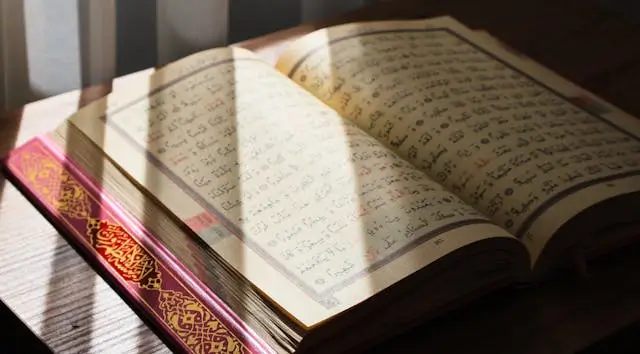
The Quran is the eternal, divine guidance sent by Allah for humanity. It is not just a book; it is a miraculous source of guidance, light, mercy, and healing. In the Quran itself, Allah has referred to this sacred scripture by multiple names, each reflecting a unique aspect of its wisdom and purpose. Understanding these names helps believers appreciate the depth, significance, and reverence of the Quran.
In this article, we will explore the different names of Quran mentioned in the Quran, their meanings, significance, and the wisdom behind each title.
What Are the Names of Quran and Their Significance?
The Quran has been called by various names and titles in the Holy Book itself. These names highlight different attributes, such as guidance, light, mercy, and healing. Scholars often differentiate between:
- Names of the Quran: Official titles mentioned in the Quran.
- Attributes of the Quran: Qualities that describe its purpose, effect, or divine nature.
Understanding these distinctions helps believers connect with the Quran on multiple levels—spiritual, intellectual, and practical.
List of Different Names of Quran in Quran
Below are the most commonly referenced names of the Quran mentioned in the Holy Book, along with their Arabic, transliteration, English meaning, verse references, and significance.
1. Al-Quran (القرآن)
- Meaning: The Recitation / The Reading
- Verse Reference: Surah Al-Baqarah 2:2 – “This is the Book about which there is no doubt, a guidance for those conscious of Allah.”
- Significance: Highlights that the Quran is meant to be recited, pondered upon, and implemented in life.
- LSI: recitation of Quran, read Quran, ponder Quran verses
2. Al-Kitab (الكتاب)
- Meaning: The Book
- Verse Reference: Surah Al-Baqarah 2:2
- Significance: Emphasizes that the Quran is a complete, structured, and preserved divine scripture for guidance.
- LSI: holy book, scripture of Allah, divine book
3. Al-Furqan (الفرقان)
- Meaning: The Criterion / The Separator between truth and falsehood
- Verse Reference: Surah Al-Furqan 25:1 – “Blessed is He who sent down the Criterion upon His Servant…”
- Significance: Guides humanity to distinguish truth from falsehood in all aspects of life.
- LSI: truth vs falsehood, divine guidance, Quran as criterion
4. Al-Dhikr (الذكر)
- Meaning: The Reminder
- Verse Reference: Surah Al-Haaqqa 69:40
- Significance: Serves as a reminder of Allah’s commands, mercy, and accountability.
- LSI: reminder of Allah, guidance through Quran, dhikr in Quran
5. Al-Noor (النور)
- Meaning: The Light
- Verse Reference: Surah An-Nisa 4:174
- Significance: Illuminates the path of believers both spiritually and morally.
- LSI: spiritual light, guidance from Allah, illuminating Quran
6. Al-Shifa (الشفاء)
- Meaning: The Healing
- Verse Reference: Surah Al-Isra 17:82 – “And We send down of the Quran that which is a healing and a mercy for the believers…”
- Significance: Provides spiritual healing, comfort, and remedy for hearts and souls.
- LSI: healing through Quran, spiritual cure, divine remedy
7. Al-Huda (الهُدى)
- Meaning: The Guidance
- Verse Reference: Surah Al-Baqarah 2:2
- Significance: Acts as the divine guide for believers in matters of faith, morality, and daily life.
- LSI: guidance from Allah, right path, moral guidance
8. Al-Rahmah (الرحمة)
- Meaning: The Mercy
- Verse Reference: Surah Al-A’raf 7:156
- Significance: Shows that the Quran is a source of mercy, blessing, and compassion for all humanity.
- LSI: divine mercy, Quran blessing, compassion through Quran
9. Al-Haqq (الحق)
- Meaning: The Truth
- Verse Reference: Surah Al-Ankabut 29:51
- Significance: Confirms the absolute truth and reality as revealed by Allah.
- LSI: truth of Quran, divine reality, Allah’s truth
10. Al-Bayan (البيان)
- Meaning: The Clear Explanation
- Verse Reference: Surah Al-Baqarah 2:185
- Significance: Clarifies Allah’s commands, laws, and guidance for mankind in a comprehensive and understandable manner.
- LSI: explanation of Quran, clarity in Quran, divine instruction
Differences Between Quran Names and Attributes
- Names: Official titles found in the Quran.
- Attributes: Descriptive qualities that explain the purpose or effect of the Quran.
Examples of Attributes: Guide, Healing, Light, Reminder, Criterion.
Understanding this distinction ensures clear comprehension and reverence for the sacred scripture.
Why the Quran Has Multiple Names in Quran
The Quran has multiple names in the Holy Book to highlight its many facets. Each name reflects a different aspect, such as guidance, mercy, healing, or distinguishing truth from falsehood.
These names help believers relate to the Quran in various contexts. Whether it is Al-Quran for recitation, Al-Furqan for distinguishing right from wrong, or Al-Shifa for spiritual healing, each title deepens understanding and connection.
Having multiple names also reinforces reverence for Allah’s message. It encourages believers to approach the Quran with humility, reflection, and devotion, appreciating its divine wisdom and comprehensive guidance.
How to Study and Memorize Quran Names and Their Significance
To start, focus on learning each name in Arabic, along with its transliteration and English meaning. This helps with correct pronunciation and understanding of the name’s significance.
Next, study the context of the verses where each name appears. Knowing the background and purpose of the verse deepens comprehension and shows how Allah highlights different aspects of the Quran.
Use visual aids, tables, and charts to make memorization easier. Listening to audio recitations can also help internalize pronunciation and meanings.
For children and students, encourage them to reflect on each name and its relevance in daily life. This builds both memory and a spiritual connection with the Quran, making learning meaningful and engaging.
We help learners understand and memorize the Quran and its names through expert guidance and a meaningful, engaging approach.
Frequently Asked Questions (FAQ)
How many names does the Quran have?
Scholars differ; commonly 8–10 core names are mentioned in the Quran, with additional descriptive attributes extending the list.
Are all names mentioned directly in the Quran?
Yes, the primary names like Al-Quran, Al-Kitab, Al-Furqan, and Al-Dhikr are found directly in verses.
What is the difference between Al-Quran, Al-Kitab, and Al-Furqan?
Al-Quran emphasizes recitation, Al-Kitab emphasizes completeness and preservation, and Al-Furqan emphasizes differentiating truth from falsehood.
Why do different scholars list different numbers of names?
Some include attributes or derived titles; differences arise from interpretation and scholarly methodology.
Conclusion
The Quran’s multiple names in the Holy Book reflect its divine wisdom, mercy, guidance, and light. By learning and reflecting on these names, believers can strengthen their connection with Allah, deepen their understanding of the scripture, and apply its teachings in their lives.
Embrace the Quran not only as a book but as a source of guidance, light, and healing through its many divine names.