Do Muslims Celebrate Birthdays? Islamic Perspective Explained
Birthdays are celebrated around the world as joyful milestones — a day filled with gifts, cakes, and gatherings. Yet, many Muslims wonder: “Can we celebrate birthdays in Islam?”
This question arises because Islam provides guidance on every aspect of life, including how and why we celebrate. Understanding what Islam says about birthdays helps us align our intentions with the teachings of the Qur’an and the Sunnah of Prophet Muhammad ﷺ.
The Concept of Birthday Celebrations
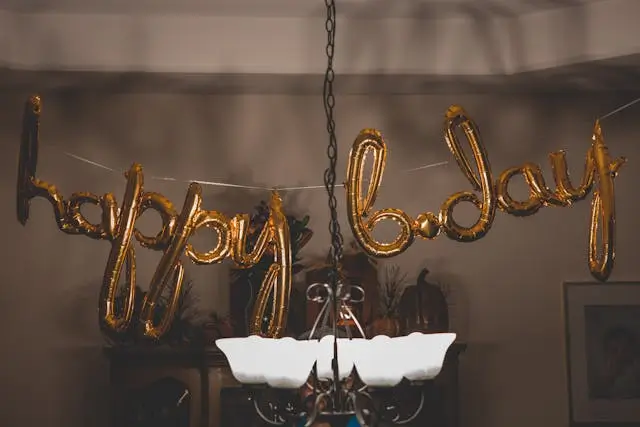
In modern society, birthdays are seen as personal celebrations — moments to express joy, gratitude, and love for one another. Traditionally, people mark the day of their birth with candles, decorations, or family parties.
However, in Islam, not every cultural practice aligns with religious principles. Islam encourages Muslims to distinguish between cultural customs and acts of worship. Celebrations that carry specific religious meaning or imitate non-Islamic practices need to be evaluated carefully.
The question is not about enjoying a happy moment but about what the celebration represents and whether it aligns with Islamic values.
What Islam Says About Celebrations
Islam recognizes only two main festivals: Eid-ul-Fitr and Eid-ul-Adha. These are celebrations established by Allah ﷻ and practiced by Prophet Muhammad ﷺ and his companions.
The Prophet ﷺ said:
“Allah has given you two better days than these (referring to non-Islamic festivals): the days of Eid-ul-Fitr and Eid-ul-Adha.”
(Sunan Abu Dawood 1134)
This hadith clearly defines that religious celebrations in Islam are limited to these two Eids.
Other forms of celebration — like birthdays — are cultural and were not practiced by the Prophet ﷺ or the early generations of Muslims.
The Principle of Bid‘ah (Innovation)
One major concern scholars raise about birthday celebrations is the concept of Bid‘ah (innovation in religion). Prophet Muhammad ﷺ warned against adding new religious practices, saying:
“Whoever introduces into this matter of ours (Islam) something that is not part of it, it will be rejected.”
(Sahih al-Bukhari & Muslim)
Celebrating birthdays is not mentioned in the Qur’an or Sunnah, and hence, some scholars classify it as a religious innovation — especially when it is treated as a ritual or an annual observance resembling Eid.
Why Some Scholars Forbid Birthday Celebrations
The majority of classical scholars — including those from Saudi Arabia, Egypt, and other major Islamic institutions — view birthday celebrations as impermissible (haram) for several reasons:
- Imitation of Non-Muslims (Tashabbuh):
Islam discourages imitating religious or cultural customs of non-Muslims, especially those rooted in pagan or secular traditions. - No Basis in Sunnah:
Neither the Prophet ﷺ nor his companions celebrated their birthdays, even though they remembered their blessings and expressed gratitude to Allah in other ways. - Potential for Extravagance:
Birthday parties often involve unnecessary spending, mixed gatherings, music, and worldly focus rather than spiritual reflection. - Loss of Spiritual Meaning:
Instead of thanking Allah for life, many people focus on entertainment, showing off, or competition — contrary to Islamic humility.
Famous scholars like Shaykh Ibn Baz and Shaykh Al-Albani have written that birthdays fall under Bid‘ah and Tashabbuh, advising Muslims to avoid them to protect their faith and identity.
The Balanced View: Cultural, Not Religious
While the majority opinion discourages celebrating birthdays, some modern scholars take a more balanced view — emphasizing intention and moderation.
According to them:
- If a birthday is celebrated as a cultural, family event — without religious connotation, imitation, or extravagance — it may be tolerated.
- The intention (niyyah) should be gratitude to Allah for the blessing of life, not a religious festival.
- Acts like making dua, giving charity, or reflecting on one’s deeds can make the day spiritually meaningful.
For example, Dr. Yasir Qadhi and other contemporary scholars note that not all cultural customs are prohibited unless they contradict Islamic teachings.
Still, every Muslim is encouraged to reflect before participating: Does this act bring me closer to Allah or to worldly imitation?
The Difference Between Eid and Birthdays
It’s important to understand that Islam defines specific types of celebrations.
Eid-ul-Fitr and Eid-ul-Adha are acts of worship, filled with prayer, charity, and remembrance of Allah.
Birthdays, however, are personal and cultural, not acts of worship. Treating birthdays as “mini-Eids” or associating them with religious significance is where the concern lies.
Islam teaches gratitude, but it also guides us to express it through du’a, charity, and good deeds rather than Western rituals.
Islamic Perspective on Gratitude and Reflection
Islam encourages us to thank Allah for every moment of life.
Instead of blowing candles, Muslims can:
- Pray two rak‘ahs of gratitude (Salah al-Shukr)
- Recite duas for long life in obedience to Allah
- Give charity on that day as a way of thanks
- Reflect on how another year has passed — and how to use time better for the Hereafter
Prophet Muhammad ﷺ said:
“Take advantage of five before five: your youth before your old age, your health before your sickness, your wealth before your poverty, your free time before your busyness, and your life before your death.”
(Mustadrak al-Hakim)
So, Islam reminds us that life is a trust from Allah, and every birthday is a moment to renew our purpose, not just to celebrate.
What About Children’s Birthdays?
For parents, birthdays are often about expressing love for their children.
While love and joy are encouraged in Islam, parents should ensure that celebrations do not involve forbidden acts such as music, extravagance, or mixed gatherings.
Instead of cake and candles, families can:
- Gather for a special meal and make du‘a for the child.
- Teach the child about gratitude and responsibility.
- Encourage acts of charity — e.g., donating toys or feeding the poor.
This approach turns a cultural moment into an Islamic teaching opportunity, blending affection with faith.
Practical Islamic Alternatives to Birthdays
Muslims can replace modern birthday practices with meaningful, faith-based traditions:
- Family Du‘a Gathering: Start the day with Qur’an recitation and supplication for guidance.
- Sadaqah (Charity): Give to those in need as a form of gratitude.
- Reflection Journal: Write down personal goals for the coming year — both spiritual and worldly.
- Gratitude Meal: Invite family to a simple meal to thank Allah for His blessings.
- Acts of Service: Visit relatives or help someone in need — spreading barakah.
Common Misconceptions About Birthdays in Islam
1. “The Prophet ﷺ celebrated his birthday (Mawlid).”
→ The Mawlid was not practiced by the Prophet ﷺ or his companions. It was introduced centuries later and remains a matter of scholarly debate.
2. “It’s just fun, so it’s fine.”
→ Islam allows enjoyment but within limits. Fun becomes blameworthy when it involves imitation or heedlessness of Allah.
3. “Children won’t feel loved without birthday parties.”
→ Love in Islam is expressed through care, time, dua, and guidance, not necessarily through worldly celebrations.
Scholars’ Opinions and References
- Shaykh Ibn Taymiyyah: Innovations resembling non-Islamic festivals are discouraged.
- Darul Ifta (Pakistan & Egypt): Majority opinion — birthdays are impermissible as religious observances.
- IslamOnline / AboutIslam: Cultural celebrations without forbidden acts can be tolerated.
- IslamQA: Warns against birthdays as imitations of non-Muslims.
This variety of opinions shows that Muslims should act with knowledge, sincerity, and caution, avoiding extremes.
FAQs on Birthdays in Islam
Is celebrating birthdays haram in Islam?
Most scholars discourage it because it has no basis in Sunnah and imitates non-Islamic customs.
Can Muslims give gifts on birthdays?
Yes, giving gifts is sunnah — but not tied to the concept of birthdays. Gifts can be given any day.
Are birthday wishes haram?
If said as good wishes without religious intent, most scholars do not consider it haram.
Can children celebrate birthdays?
Better to replace them with Islamic alternatives, teaching gratitude and simplicity.
Conclusion
So, do Muslims celebrate birthdays? Islam does not forbid expressing joy or gratitude, but it does guide how we do it. The safest and most blessed way is to thank Allah, make du‘a, give charity, and reflect on life’s purpose instead of following Western customs.
Every passing year is not just another candle — it’s another opportunity to draw closer to Allah. As Muslims, let’s make each new year of our lives a step toward faith, humility, and eternal success.