Do Muslims Celebrate New Year? (A Complete Islamic Guide)
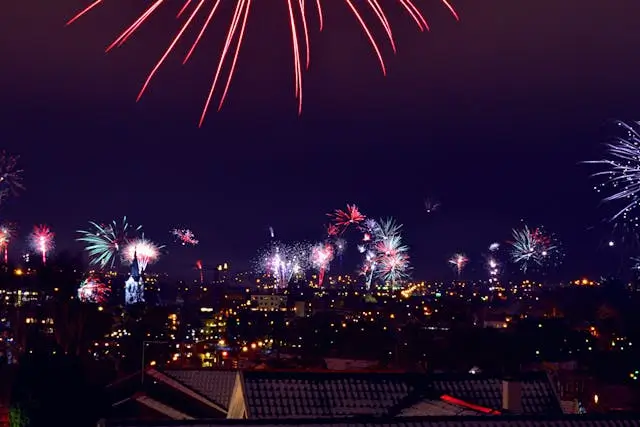
The beginning of the Gregorian calendar year, January 1st, is celebrated around the world with fireworks, countdowns, and festivities. Many Muslims wonder: Do Muslims celebrate New Year on January 1st? Is it permissible in Islam? And what is the Islamic perspective on such celebrations?
This comprehensive guide, written with an Islamic tone and based on authentic teachings, explores the topic from religious, cultural, and social angles so Muslims living in the West, especially in the UK, can make informed, faith-aligned decisions.
What Is the Islamic Ruling on Celebrating New Year?
Islam encourages Muslims to maintain their identity, values, and traditions. While the Gregorian New Year is widely recognized globally, it is not an Islamic festival nor a celebration from the Sunnah.
Scholars generally agree that Muslims should avoid celebrating non-Islamic religious festivals, especially when the celebration originates from a belief or tradition outside Islam.
The Prophet ﷺ taught us: “Whoever imitates a people becomes one of them.” (Abu Dawood) This hadith encourages Muslims to preserve their uniqueness and avoid adopting the religious or cultural rituals of other groups.
However, Islam also teaches balance, wisdom, and intention. Not every cultural practice is forbidden, but Muslims should differentiate between participation, celebration, and religious observance.
Do Muslims Celebrate New Year as a Religious Festival?
Muslims do not recognize January 1st as a religious celebration. Islam has only two official festivals: Eid-ul-Fitr and Eid-ul-Adha. These days are divinely ordained, filled with worship, charity, and family bonding. January 1st, however, has no Islamic religious importance.
Is It Haram to Celebrate New Year on January 1st?
The answer depends on what a person means by “celebrate.”
- If New Year involves religious imitation, it is not allowed. Anything that resembles non-Islamic religious rituals or beliefs must be avoided completely.
- If New Year involves un-Islamic activities, it is not allowed. This includes alcohol, parties, music, free-mixing, gambling, and other prohibited acts.
- If New Year is treated as a general cultural occasion, scholars differ. Some scholars allow acknowledging the calendar change with permissible actions, such as setting new goals, spending time with family, or reflecting, as long as there is no imitation of rituals or sin involved.
Why Many Muslims Avoid New Year Celebrations
Muslims choose not to celebrate January 1st for several reasons:
- It is not part of Islamic tradition. Islam already provides its own calendar and festivals.
- It encourages imitation of non-Islamic practices.
- Many New Year activities involve haram elements, such as fireworks parties, drinking, and free-mixing.
- It distracts from more meaningful Islamic milestones, such as Islamic New Year (1st Muharram), Laylatul Qadr, Eid celebrations, and the days of Dhul Hijjah.
What Do Muslims Do Instead of Celebrating New Year?
Many Muslims choose spiritually uplifting activities instead of joining New Year festivities. Here are meaningful alternatives:
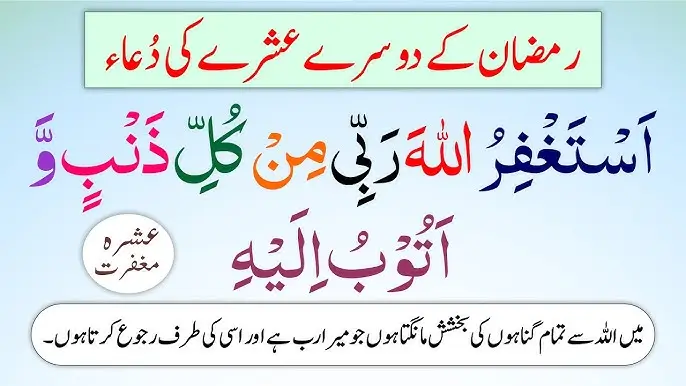
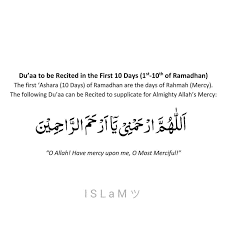
- Make Du’a for the upcoming year, asking Allah for protection, guidance, rizq, forgiveness, and ease.
- Reflect on personal growth through self-accountability (Muhasaba).
- Set Islamic goals such as learning Tajweed, improving recitation, starting Hifz, or understanding the Quran better. For a structured approach, consider enrolling in a structured Quran learning journey guided by qualified tutors.
- Spend time with family, maintaining ties of kinship as emphasized in Islam.
- Begin new spiritual habits such as Quran reading, dhikr, or giving sadaqah, which help start the year with barakah.
Is Acknowledging the New Year Allowed in Islam?
Yes, acknowledging the date and using the Gregorian calendar is permissible. Muslims worldwide use it for work, school, travel, business, and appointments. This is not a religious act — it is a practical necessity. Islam only prohibits turning January 1st into a religious festival, not using the date itself.
Is Saying “Happy New Year” Permissible?
Opinions differ. Some scholars discourage it, arguing that it supports a celebration not part of Islam. Others permit it if it is said politely in a social or professional setting without endorsing religious beliefs or participating in sinful gatherings. The safest approach is to keep communication polite and avoid participating in un-Islamic celebrations.
What About Muslims Living in the UK, US, and Europe?
Many Muslims living in non-Muslim countries face social expectations around New Year celebrations. Here is how to handle it wisely:
- Maintain your Islamic identity and do not feel pressured to participate in haram activities just to fit in.
- Stay polite but firm when declining invitations. A simple thank you or wish for a blessed year is sufficient.
- Choose halal, family-friendly alternatives such as peaceful dinners, Quran reading, making Du’a together, or spending time with family.
- Engage in beneficial learning. You can start with expert-led online Quran Tajweed classes to improve your recitation.
Celebrating Islamic Milestones Instead
Islam offers spiritually rewarding occasions that truly uplift the heart:
- Eid-ul-Fitr: Celebrating the completion of Ramadan.
- Eid-ul-Adha: Honoring the sacrifice of Prophet Ibrahim (AS).
- Islamic New Year (1st Muharram): A reminder of the Hijrah and a fresh start for the soul.
- Laylatul Qadr: Night of power, better than a thousand months.
- Ramadan: A month of mercy, forgiveness, blessings, and spiritual purification.
Can January 1st Be Used for Personal Goal Setting?
Absolutely. Islam encourages self-improvement and discipline. You may choose to:
- Start Quran memorization
- Begin Tajweed learning
- Improve worship habits
- Strengthen family ties
- Increase charity
- Build consistency in salah
Goal setting becomes a positive act when it is Islamic, purposeful, and intention-based.
Final Answer: Do Muslims Celebrate New Year on January 1st?
Muslims do not celebrate January 1st as a religious festival. It is not part of Islamic tradition, teachings, or religious identity. However, acknowledging the date, making Du’a, reflecting, and setting goals are all permissible, as long as they do not involve haram elements or imitate non-Islamic beliefs.
A Muslim should:
- Stay true to Islamic identity
- Avoid sinful celebrations
- Choose spiritually uplifting alternatives
- Start the year with Dhikr, Quran, and good intentions
May Allah bless us with guidance, protect our Imaan, and fill our lives with barakah throughout the coming year. Ameen.