How to Memorise the Quran: Step-by-Step Guide for Beginners and Advanced Learners
Memorising the Quran is one of the most rewarding journeys for a Muslim. It is not just a spiritual accomplishment but also a source of immense blessings in this world and the hereafter.
The Quran is Allah’s final revelation, and committing it to memory strengthens faith, discipline, and connection with the Creator. Whether you are a beginner in the UK or anywhere in the world, this comprehensive guide will help you learn how to memorise the Quran effectively using proven techniques while maintaining an Islamic approach.
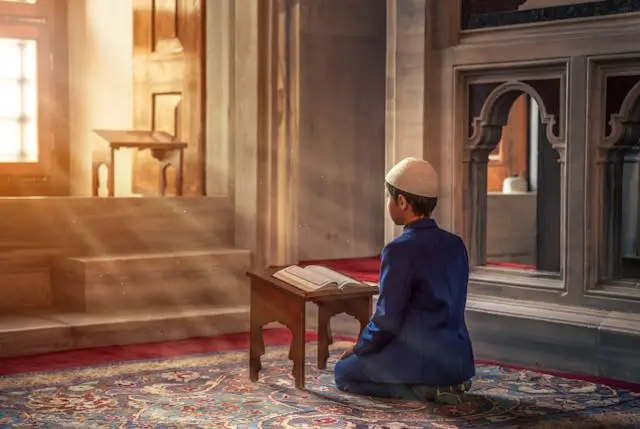
Why Memorising the Quran is Important
Memorisation of the Quran is highly regarded in Islam. The Prophet Muhammad ﷺ said:
“The best among you are those who learn the Quran and teach it.” (Sahih al-Bukhari)
Learning and memorising the Quran enables one to:
- Connect deeply with Allah through recitation.
- Understand and reflect on the divine message.
- Preserve the Quran exactly as it was revealed.
- Gain spiritual rewards in both this life and the hereafter.
By memorising the Quran, one also develops patience, focus, and discipline, which are essential qualities in every aspect of life.
Preparing to Memorise the Quran
Before you begin, preparation is key. Setting the right mindset, environment, and schedule can make memorisation much easier.
1. Set Your Intention (Niyyah)
In Islam, intention is the foundation of every action. Memorising the Quran should be done sincerely for Allah, not for recognition or praise. A clear niyyah will keep you motivated even during challenges.
Tip: Before every memorisation session, silently say:
“O Allah, I intend to memorise Your words sincerely for Your pleasure.”
2. Create a Suitable Environment
A quiet, clean, and distraction-free space is ideal for memorisation. Some tips include:
- Choose a dedicated area for Quran study.
- Minimise background noise from devices or conversations.
- Keep the environment well-lit and comfortable.
A consistent environment helps your brain associate the space with learning, improving focus and memory retention.
3. Choose a Single Mushaf
Using a single copy of the Quran is highly recommended. Whether physical or digital, consistency in the layout, script, and font improves visual memory and helps avoid confusion while memorising.
Daily Quran Memorisation Techniques
Memorising the Quran requires structured techniques, repetition, and consistency.
1. Start Small – Set Daily Limits
Begin with a manageable number of ayahs, typically 1–3 verses per day. As you gain confidence and proficiency, gradually increase the number.
Tips:
- Focus on quality, not quantity.
- Break longer ayahs into smaller parts.
2. Repetition and Review
Repetition is crucial for memory retention. Recite each verse multiple times aloud, ensuring proper Tajweed rules. After memorising new ayahs, review previously memorised sections daily.
3. Listening Techniques
Listening to recitations by experienced Qaris helps reinforce memorisation and improves pronunciation. Use audio recordings alongside your reading to strengthen both auditory and verbal memory.
4. Writing Ayahs
Writing verses by hand is an effective memorisation strategy. This engages visual memory and helps internalise the Quranic words. Pair writing with recitation for even better retention.
Understanding the Meaning
Understanding the meanings of the Quranic verses through Tafsir aids memorisation. Comprehension allows your brain to link concepts, making it easier to recall the verses accurately.
Tips:
- Use authentic Tafsir sources.
- Reflect on the message of each verse.
Revision Techniques
Even after memorising new sections, continuous revision ensures long-term retention.
1. Daily and Weekly Revision
Revise previous memorised portions daily, and review weekly to avoid forgetting. Use methods such as:
- Chunking: divide memorised sections into manageable groups.
- Peer recitation: recite to a friend or teacher.
2. Monthly & Periodic Review
Allocate one day per week or month for full review. This strengthens memory and prepares you for lifelong retention.
Using Modern Tools
Modern technology provides useful tools for Quran memorisation:
- Apps that track progress.
- Digital Quran with audio recitation.
- Online platforms offering structured memorisation programs.
Overcoming Challenges
Challenges are common during memorisation. Some solutions include:
- Fatigue: Memorise in short, focused sessions.
- Distractions: Turn off devices and inform family members of study time.
- Forgetting verses: Daily review and repeated recitation help prevent this.
Tips from Experienced Huffaz
Learning from those who have memorised the Quran can be invaluable:
- Memorise consistently, even if it’s a small amount daily.
- Seek help from teachers for proper Tajweed.
- Make dua for ease and perseverance in memorisation.
Spiritual and Personal Benefits
Memorising the Quran goes beyond memorisation—it strengthens your spiritual life:
- Connects you with Allah daily through recitation.
- Improves concentration, discipline, and patience.
- Enhances understanding of Islamic teachings and guidance.
Conclusion
Memorising the Quran is a noble pursuit, combining discipline, reflection, and devotion. By following structured techniques, setting the right intentions, understanding meanings, and practising regular revision, anyone can embark on this transformative journey. Whether you are in the UK or elsewhere, starting today with consistency and sincerity will bring immense rewards in this life and the hereafter.
Begin your Quran memorisation journey today with a qualified online teacher and experience the joy of connecting with Allah’s words.
FAQs
How many ayahs should I memorise daily?
Start with 1–3 ayahs and gradually increase as you progress.
Can I memorise the Quran without understanding Arabic?
Yes, but understanding the meaning enhances retention and reflection.
Is listening to recitation enough for memorisation?
Listening helps, but combining recitation, repetition, and writing is more effective.
How long does it take to memorise the whole Quran?
It varies; consistent daily effort can lead to completion in a few years.
Can I memorise Quran if I have a busy schedule?
Yes, even 10–15 minutes daily with focus is effective.