Do Muslims Celebrate Halloween? The Islamic Ruling Explained
Every year, as October approaches, streets fill with pumpkins, costumes, and candy. Halloween is one of the most celebrated events in Western countries — but it also raises an important question among Muslims: Do Muslims celebrate Halloween?
While some view it as harmless fun or a cultural event, Islam encourages believers to think deeply before adopting non-Islamic traditions. Understanding the origins of Halloween, its religious implications, and what Islamic teachings say about it can help Muslims make informed choices aligned with their faith.
The Origins of Halloween
To understand why Muslims do not celebrate Halloween, it’s essential to know where this event came from.
Halloween traces its roots back over 2,000 years to an ancient Celtic festival known as Samhain, which marked the end of the harvest season. Pagans believed that on this night, the boundary between the living and the dead became blurred, and spirits could roam the earth.
Later, Christianity adapted it as All Hallows’ Eve, the night before All Saints’ Day. Although its form changed, many symbols — ghosts, skeletons, witchcraft, and spirits — remained tied to pagan and superstitious beliefs.
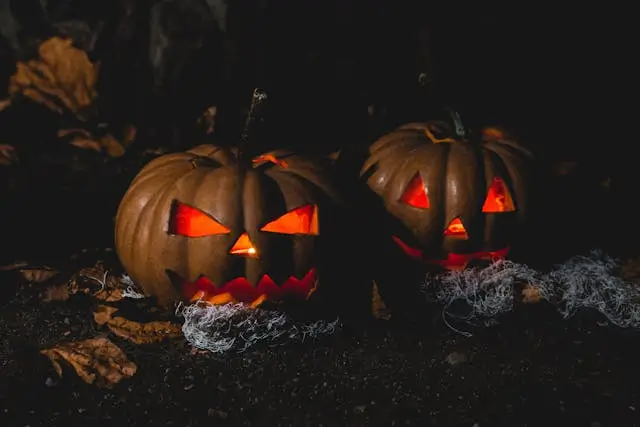
Even in its modern form, Halloween revolves around fear, horror themes, and imitation of supernatural beings — all of which contradict Islamic values of purity, modesty, and tawheed (the oneness of Allah).
Why Some Muslims Feel Conflicted
In multicultural societies, many Muslims face pressure — especially parents with school-aged children. Classrooms host Halloween parties, neighbors decorate homes, and friends go trick-or-treating.
Some Muslim families wonder:
“If my child dresses up just for fun and collects candy, is that really haram?”
The confusion often comes from mixing culture with worship. Islam doesn’t prohibit fun — but it does caution Muslims against participating in rituals that stem from un-Islamic or superstitious origins.
Participating “just for fun” still indirectly supports and normalizes a celebration rooted in paganism — which Islam clearly discourages.
What Islam Says About Celebrating Halloween
Islam is a faith of clarity. The Prophet Muhammad ﷺ said:
“Whoever imitates a people is one of them.”
(Sunan Abu Dawud 4031)
This hadith teaches Muslims not to imitate non-Islamic religious or cultural rituals. Halloween, even in its modern form, is linked to superstitions, evil spirits, and pagan customs.
Islam forbids any form of participation in activities that promote false beliefs, fear of jinn or spirits, or symbols of disbelief. Even light-hearted participation may blur a Muslim’s understanding of halal and haram.
Therefore, scholars unanimously agree that Muslims should not celebrate Halloween in any form — whether through decorations, costumes, or trick-or-treating.
Understanding Imitation (Tashabbuh) in Islam
One of the key reasons Muslims avoid Halloween is due to the concept of Tashabbuh bil-Kuffar — imitating non-Muslims in matters related to their religious or cultural identity.
The Prophet ﷺ warned against adopting the habits, clothing, or rituals of other faiths, as Islam calls believers to preserve their unique identity.
Celebrating Halloween — even without bad intentions — resembles the practices of those who created it for religious and superstitious reasons. Islam emphasizes spiritual independence and pride in Muslim values, not blending into pagan traditions.
The Role of Intention (Niyyah) — Does It Make It Permissible?
Some argue, “I don’t believe in spirits or worship anything; I just enjoy dressing up.”
While intention (niyyah) is an important part of every deed in Islam, it cannot make an impermissible act permissible.
For instance, drinking alcohol “for social reasons” doesn’t make it halal. Similarly, taking part in Halloween “for fun” doesn’t erase its background or meaning.
Intentions matter, but actions must align with Islamic principles. Participating in events that glorify fear, darkness, or superstition contradicts the Islamic message of light, purity, and remembrance of Allah.
The Hidden Dangers of Normalizing Halloween
Many parents think allowing children to participate “just once” is harmless. However, small actions can slowly normalize non-Islamic celebrations.
Children might grow up associating happiness with events rooted in paganism rather than Islamic traditions like Eid. Over time, this weakens Islamic identity and connection to authentic Islamic values.
The Quran warns:
“And do not follow the ways of those who go astray.”
(Surah Al-An’am 6:153)
Halloween’s themes — ghosts, jinn, and fear — contradict Islam’s teachings of peace and remembrance of Allah. Islam teaches us to protect our homes from Shaytan, not to decorate with symbols that represent him.
What Muslims Can Do Instead
Islam doesn’t discourage celebration — it encourages meaningful, halal joy. Muslims can replace Halloween participation with spiritually enriching activities that bring families closer to Allah.
Here are some halal alternatives:
- Organize family Quran nights on October 31st.
- Teach children stories of the Prophets or Sahabah.
- Host Islamic trivia games or bake halal treats together.
- Give charity instead of candy.
These small acts help Muslim families strengthen their faith while still enjoying quality time — without compromising Islamic principles.
What Scholars Say About Why Do Muslims Not Celebrate Halloween
Islamic scholars from various schools of thought, including Sheikh Ibn Uthaymeen, Islam Q&A, and Darul Ifta, have addressed this issue clearly.
Their verdict:
Celebrating Halloween is impermissible (haram) because it is rooted in pagan beliefs and promotes superstitions, imitation of non-Muslims, and un-Islamic symbolism.
Even seemingly innocent actions like handing out candy or dressing up indirectly support a festival built upon falsehood.
The consensus is firm: Muslims should avoid Halloween in all forms, no matter how “fun” or “harmless” it seems.
Why Avoiding Halloween Strengthens Faith
Avoiding Halloween isn’t about missing out — it’s about choosing Allah’s guidance over worldly trends. When Muslims make conscious choices to stay away from doubtful activities, they gain Allah’s pleasure and protect their faith.
The Prophet ﷺ said:
“Leave what makes you doubt for what does not make you doubt.” (Tirmidhi 2518)
Choosing not to celebrate Halloween is a reflection of love for Allah, trust in His commands, and pride in Muslim identity. It teaches children to find joy in what pleases Allah, not what pleases society.
Conclusion – Do Muslims Celebrate Halloween
Halloween may appear as a fun and harmless festival, but its roots, symbols, and meanings are far from Islamic. Muslims are encouraged to reflect deeply and ask: Does this act bring me closer to Allah or away from Him?
Islam offers its own celebrations — full of joy, light, and reward — such as Eid al-Fitr and Eid al-Adha. By choosing obedience over imitation, Muslims preserve their faith, protect their families, and gain Allah’s blessings.
FAQs on Muslims and Halloween
1. Is it haram for Muslims to celebrate Halloween?
Yes. It has pagan roots and promotes un-Islamic themes, so Muslims should avoid it.
2. Can Muslim children dress up for Halloween?
No. Dressing up still imitates non-Islamic traditions and should be avoided.
3. What can Muslims do instead of Halloween?
Spend time learning Quran, hosting family nights, or giving charity.
4. Can Muslims hand out candy without celebrating?
It’s best to avoid any participation, even indirectly, to maintain Islamic principles.
5. What’s the Islamic view on fun celebrations?
Islam encourages halal joy — celebrate in ways that honor Allah, not pagan customs.