Shab-e-Miraj Nawafil: Complete Guide to Voluntary Prayers
Shab-e-Miraj, observed on the 27th of Rajab, marks the miraculous journey of Prophet Muhammad (peace be upon him) from Mecca to Jerusalem (Isra) and his ascension to the heavens (Miraj). This blessed night carries immense spiritual significance for Muslims worldwide.
Among the most recommended acts of worship on this night are Nawafil prayers — voluntary prayers that deepen one’s connection with Allah, promote reflection, and bring spiritual rewards. This article provides a comprehensive guide to performing Shab-e-Miraj Nawafil, including methods, benefits, scholarly opinions, and practical tips for sincere worship.
Understanding Shab-e-Miraj
The Night Journey (Isra) and Ascension (Miraj)
Shab-e-Miraj commemorates the extraordinary journey of Prophet Muhammad (PBUH):
- Isra: The Prophet traveled from Masjid al-Haram in Mecca to Masjid al-Aqsa in Jerusalem in a single night on the celestial steed, Buraq.
- Miraj: From Jerusalem, he ascended to the seven heavens, meeting angels and prophets, and eventually stood in the presence of Allah.
During this journey, five daily prayers (Salah) were prescribed as the foundation of Islamic worship, emphasizing the centrality of prayer in a Muslim’s life.
Spiritual Significance of Shab-e-Miraj
The night teaches several valuable lessons:
- Strengthening Faith: Witnessing divine miracles inspires trust in Allah’s wisdom.
- Importance of Prayer: Salah, established during Miraj, underscores spiritual discipline.
- Self-Reflection: Encourages believers to evaluate actions, seek forgiveness, and improve spiritually.
Performing voluntary acts of worship, including Nawafil prayers, Quran recitation, and dhikr, helps Muslims maximize the spiritual benefits of this sacred night.
What Are Nawafil Prayers?
Definition and Importance
Nawafil prayers are optional, voluntary prayers performed in addition to obligatory Salah. While not compulsory, they provide a means to:
- Strengthen one’s connection with Allah.
- Seek forgiveness and mercy.
- Gain spiritual rewards beyond obligatory duties.
Benefits of Performing Nawafil
- Spiritual Elevation: Helps cultivate mindfulness and closeness to Allah.
- Forgiveness of Sins: Voluntary acts are a pathway to Allah’s mercy.
- Additional Reward: Enhances purification and spiritual growth.
Recommended Nawafil for Shab-e-Miraj
While there is scholarly variation, common practices observed on 27th Rajab include:
1. Twelve Raka’āt Method
- Perform 12 raka’āt of Nawafil, divided into sets of 2 raka’āt.
- After each set, recite:
- Tasbeeh: Subhanallahi wal hamdu lillahi …
- Istighfar: Astaghfirullah …
- Darood Shareef and personal Dua.
2. Optional Sets
- Beginners may perform 2, 4, or 6 raka’āt.
- The key is sincerity and focus, not the quantity of raka’āt.
3. Additional Spiritual Acts
- Quran Recitation: Surah Al-Isra, Al-Mulk, or any favorite Surah.
- Dhikr & Dua: Engage in remembrance of Allah and personal supplications.
- Reflection: Contemplate the miraculous journey of Isra and Miraj and its spiritual lessons.
Scholarly Opinions on Shab-e-Miraj Nawafil
Differences in View
Islamic scholars acknowledge the merit of voluntary worship on Shab-e-Miraj but differ in perspective:
- Supportive View: Performing Nawafil is a recommended voluntary act for spiritual elevation.
- Cautionary View: There is no authentic evidence making these prayers obligatory, and excessive ritualization may be considered bidʿah (innovation).
Guidance for Believers
- Focus on sincerity, humility, and reflection during prayers.
- Avoid treating Nawafil as a rigid requirement.
- Seek knowledge from reliable sources such as IslamQA and recognized Islamic centers.
How to Perform Shab-e-Miraj Nawafil Properly
Step-by-Step Guide
- Make Intention (Niyyah): Set your heart and mind for voluntary prayer sincerely for Allah’s pleasure.
- Perform Wudu (Ablution): Ensure cleanliness and readiness.
- Pray in Sets of Raka’āt: 2, 4, 6, or 12 according to capacity.
- Recite Dhikr & Dua: Include Tasbeeh, Darood, Istighfar, and personal supplications.
- Reflect & Meditate: Focus on Salah and the spiritual lessons of Isra and Miraj.
Tips for Maximum Spiritual Benefit
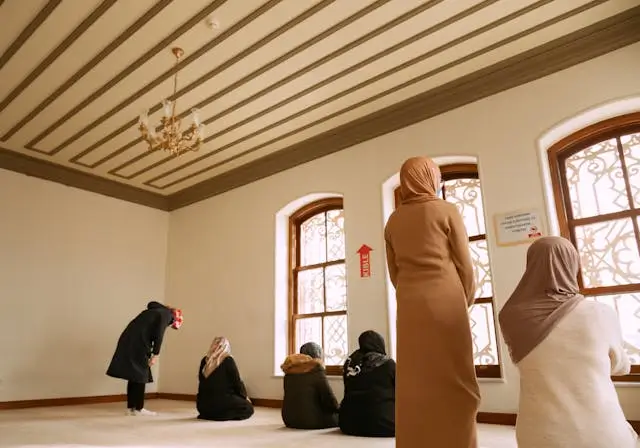
- Choose a Quiet Space: Minimize distractions.
- Consistency Over Quantity: Even a few sincere raka’āt are more rewarding than excessive, distracted prayers.
- Involve Family & Children: Encourage children to participate in age-appropriate ways.
Spiritual Benefits of Shab-e-Miraj Nawafil
Performing Nawafil brings numerous spiritual rewards:
- Strengthening Faith: Reinforces belief in Allah’s miracles.
- Closeness to Allah: Cultivates intimacy with the Creator.
- Inner Peace: Promotes mindfulness, reflection, and tranquility.
- Reward & Forgiveness: Voluntary worship serves as a means to attain Allah’s mercy.
Practical Example: A believer praying 12 raka’āt followed by dhikr and dua experiences focus, gratitude, and spiritual elevation, aligning actions with Islamic teachings.
Common Misconceptions
- Nawafil is obligatory: False — They are voluntary.
- Fasting on 27th Rajab is Sunnah: False — Scholars say it is optional.
- Extra prayers guarantee reward: Reward depends on sincerity and Allah’s mercy.
By correcting misconceptions, believers can approach the night with humility and balance.
FAQs About Shab-e-Miraj Nawafil
Q1: What are the Nawafil for Shab-e-Miraj?
A: Voluntary prayers, commonly 2, 4, 6, or 12 raka’āt, followed by dhikr, Istighfar, Darood, and Dua.
Q2: Are Shab-e-Miraj Nawafil obligatory?
A: No, they are voluntary; scholars caution against treating them as required.
Q3: How many Raka’āt should I pray on 27th Rajab?
A: 12 raka’āt is common, but 2, 4, or 6 are acceptable.
Q4: Can children perform Nawafil on Shab-e-Miraj?
A: Yes, children can participate according to their age and understanding.
Q5: Is fasting necessary on the day of Shab-e-Miraj?
A: No, fasting is optional and not a prescribed Sunnah.
Conclusion
Shab-e-Miraj Nawafil offers a unique opportunity for spiritual growth, reflection, and closeness to Allah. By performing voluntary prayers, reciting Quran, and engaging in dhikr and Dua, Muslims can maximize the spiritual benefits of this blessed night.
The key is sincerity, mindfulness, and reflection, not quantity or ritualistic rigidity. Whether you pray 2 raka’āt or 12, your reward comes from heartfelt devotion and connection with Allah.