Prayers of Shab e Barat — How to Worship on the Night of Forgiveness
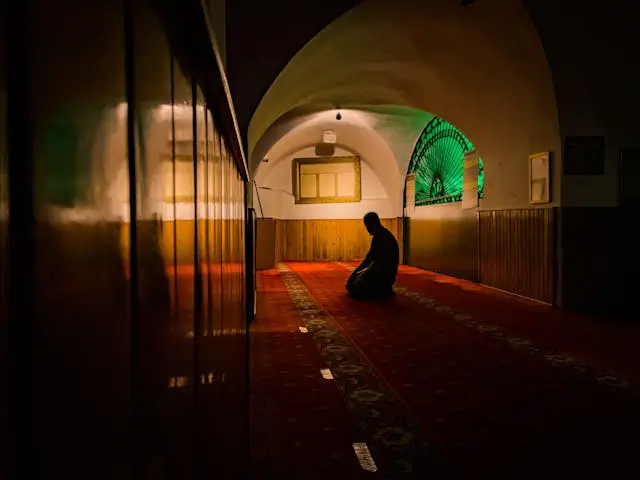
Shab‑e‑Barat (also called Laylat al-Bara’ah or Nisf Shaʿbān) is known among Muslims as the “Night of Forgiveness”, observed on the 15th of Sha’ban. It is a blessed night when many believers dedicate themselves to extra acts of worship, especially prayers (nawāfil), duʿā, Qur’an recitation, and remembrance of Allah. In this guide, you will find a clear and practical roadmap on how to pray on this night, based on tradition, sincerity, and spiritual purpose.
Understanding the Significance of Prayers on Shab‑e‑Barat
Why This Night Matters
- Shab‑e‑Barat is widely regarded as a time of Allah’s mercy, when sins are forgiven and special duʿā is accepted.
- Many Muslims believe that destinies are decreed in part on this night, making it a moment for sincere supplication.
- Performing prayers during this night allows believers to reconnect spiritually, repent, and prepare their hearts for upcoming blessings.
Voluntary (Nawāfil) vs. Obligatory Worship
- All the worship on this night is voluntary (nafl) — there is no fixed obligation.
- These prayers are a personal choice and an expression of humility, not a requirement.
- The key is intention (niyyah), devotion, and seeking closeness to Allah.
Recommended Prayers (Nawāfil) for Shab‑e‑Barat
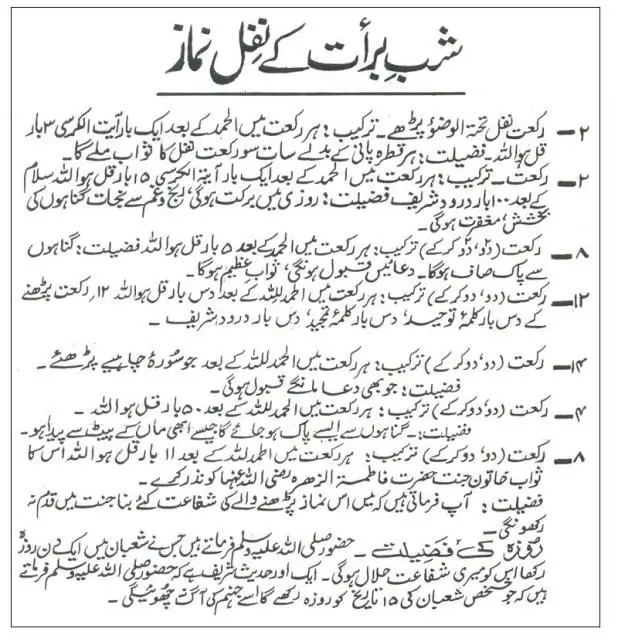
There are several traditional ways to perform nawāfil prayers on this night. Here are common and spiritually recommended methods:
Short Nawāfil (2–4 Rakaʿāt)
- Option 1: Pray 2 rakaʿāt after Maghrib (or Isha), start each rakaʿāt with Surah Al‑Fātiḥah, then recite Surah Ikhlās or Yā-Sīn.
- After the prayer, engage in tasbīḥ (e.g., Subḥānallāh, Al‑ḥamdu lillāh, Allāhu Akbar) and ask duʿā for forgiveness and guidance.
- This simple structure is ideal for those who cannot stay up all night but still wish to gain spiritual benefit.
Medium-Length Nawāfil (6–12 Rakaʿāt)
- Perform 6 or 12 rakaʿāt, divided into sets (e.g., three sets of 2 or 4 rakaʿāt).
- In each rakaʿāt: recite Surah Al‑Fātiḥah once, followed by Surah Ikhlās, Al-Falaq, or An-Nās depending on the tradition.
- After completing the units, make duʿā: ask for Allah’s mercy, forgiveness, protection, and provision.
Long Nawāfil (e.g., 100 Rakaʿāt)
- Some traditions mention praying 100 rakaʿāt: in each rakaʿāt, recite Surah Al‑Fātiḥah once and Surah Ikhlās multiple times.
- Such a prayer is for those who have strength, time, and spiritual zeal.
- After every set (or certain intervals), perform dhikr and make heartfelt duʿā for yourself, loved ones, and the Ummah.
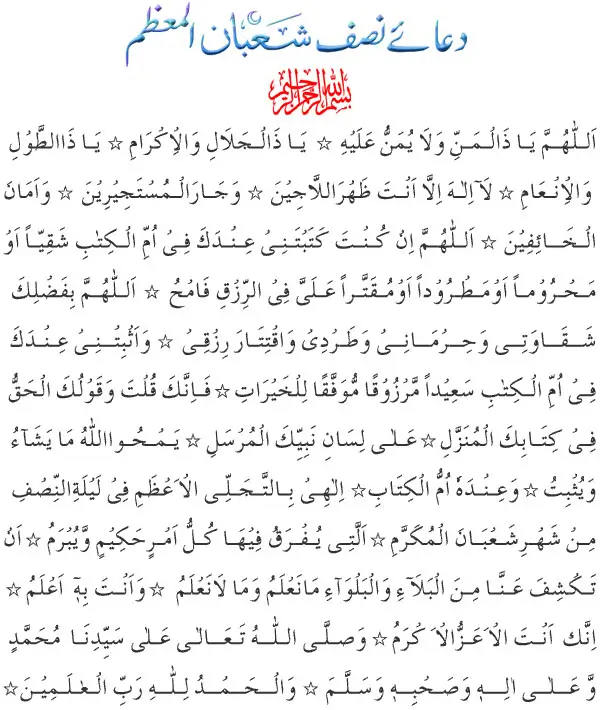
Special Duʿā for Shab‑e‑Barat (Duʿā Nisf Shaʿbān)
- A widely recited duʿā on this night is the Duʿā Nisf Shaʿbān, which calls upon Allah for forgiveness, well‑being, and spiritual protection.
- While there are variations in wording, the essence remains the same: asking Allah to pardon one’s shortcomings, grant mercy, and bless life in this world and the next.
- It is recommended to recite this duʿā after finishing your prayers, during a quiet moment when your heart is fully present.
Qur’an Recitation and Dhikr on Shab‑e‑Barat
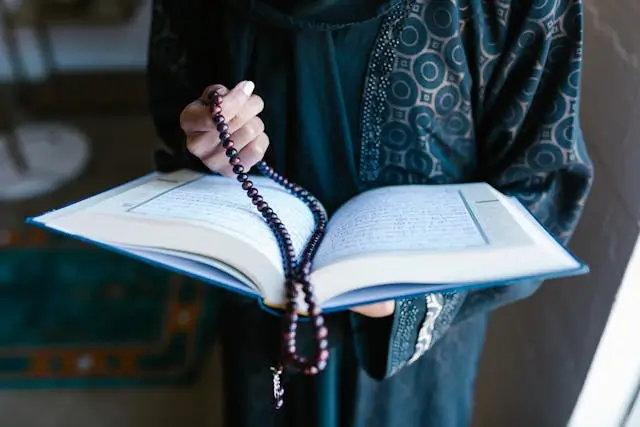
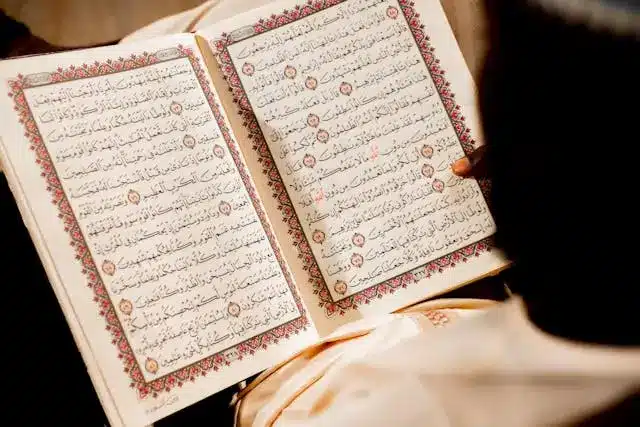
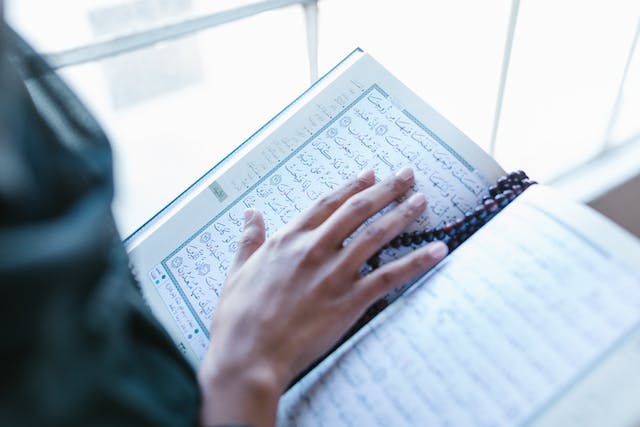
- Recommended Surahs: Many believers recite Surah Yā‑Sīn, Ikhlās, Al‑Falaq, and An‑Nās during their night prayers or as part of their nawāfil.
- Frequency: Some pray to recite Yā-Sīn three times between Maghrib and Isha; others include Ikhlās or other short Surahs in their rakaʿāt.
- Dhikr: After prayers, perform remembrance of Allah using phrases like Subḥānallāh, Al‑ḥamdu lillāh, Allāhu Akbar, and other personal supplications.
- This combination of Qur’an and dhikr helps deepen the worship, focusing on repentance, gratitude, and connection.
Optional Fasting and Other Recommended Acts
- Some Muslims choose to fast around Shab‑e‑Barat: commonly on the 14th, 15th, or 16th of Shaʿbān, though this fasting is not universally mandated.
- Charity (Sadaqah): Giving charity on this night is highly regarded, reflecting the spirit of mercy and forgiveness.
- Visiting Graves: In some communities, Muslims visit the graves of deceased relatives, making duʿā and remembering their lives.
- Engaging in these acts complements the prayers and duʿā by adding outward generosity and inward reflection.
Common Misconceptions About the Prayers
- Belief that the prayers are obligatory: This is incorrect — all suggested prayers are voluntary, not compulsory.
- Superstition about destiny: While some traditions associate this night with decrees, Islamically, the focus should be on prayer, repentance, and reliance on Allah — not magic or fate‑telling.
- Rigid ritualization: It is important not to treat fixed patterns as required acts if they are not strongly rooted in authentic texts; the emphasis remains on sincerity.
Practical Tips to Make the Most of Shab e Barat Prayers
- Set your intention (niyyah): Before you begin any prayer, purify your heart and intend to worship for the sake of Allah.
- Break prayers into manageable units: If you cannot sustain long nawāfil, pray in shorter sets throughout the night.
- Prepare a personal duʿā list: Write down the names, needs, and supplications you wish to raise, for yourself, family, and community.
- Involve family members: Encourage children or loved ones to join in recitation or make simple duʿā, making the night spiritually meaningful for everyone.
- Quiet environment: Choose a calm, distraction-free space for prayer and reflection, enabling deeper focus and humility.
FAQs — Prayers of Shab‑e‑Barat
Q1: How many rakaʿāt should I pray on Shab‑e‑Barat?
A: There is no fixed number — you may pray 2, 4, 6, 12, or even 100, depending on your capacity and sincerity.
Q2: Is there a special duʿā for Shab‑e‑Barat?
A: Yes, the Duʿā Nisf Shaʿbān is commonly recited, asking Allah for forgiveness, mercy, and well-being.
Q3: Should I recite Qur’an and dhikr after prayer?
A: It is highly recommended — reciting Surah Yā-Sīn, Ikhlās, or other surahs, and engaging in dhikr, deepens your worship.
Q4: Is fasting required for Shab‑e‑Barat?
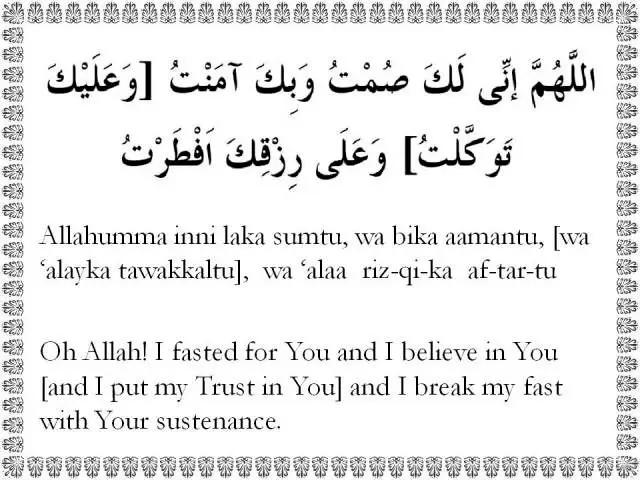
A: No, fasting around this night is voluntary and not universally mandated; many do so for spiritual purification.
Q5: Can children join in the Nawāfil prayers?
A: Yes — children can participate according to their age and ability, and doing so encourages a lifelong habit of worship.
Conclusion
The prayers of Shab‑e‑Barat are a beautiful way for Muslims to seek Allah’s mercy, reflect on their deeds, and renew their spiritual commitment. Through voluntary nawāfil, heartfelt duʿā, Qur’an recitation, and sincere dhikr, believers can transform this night into a deeply meaningful moment of reflection and connection.
Remember: the value of your worship lies not in the number of rakaʿāt, but in the sincerity of your heart. Approach the night with humility, prepare your duʿā, and rely on Allah’s infinite mercy. May Allah accept our prayers, forgive our sins, and guide us to His light.