Sunnah of Eid ul-Fitr – 7 Acts to Celebrate Eid the Sunnah Way
Eid ul-Fitr is one of the most joyous and spiritually significant days in the Islamic calendar. Marking the end of Ramadan, it is a time of celebration, gratitude, and renewal of faith. Beyond the festive atmosphere, following the Sunnah of Eid ul-Fitr allows Muslims to emulate the beloved Prophet Muhammad (peace be upon him), ensuring that the celebrations are spiritually meaningful and aligned with Islamic teachings. In this guide, we explore 7 essential Sunnah acts of Eid that every Muslim can practice to make their Eid complete.
1. Performing the Eid Prayer (Salat al-Eid)
One of the most important Sunnah acts of Eid ul-Fitr is attending the Eid prayer. This prayer is offered in congregation, typically in an open area or mosque, bringing the community together in worship. The Eid prayer is performed in two rak’ahs, with additional Takbirs (Allahu Akbar) as prescribed in the Hadith.
The Prophet Muhammad (peace be upon him) emphasized the significance of attending this prayer to strengthen brotherhood, unity, and gratitude to Allah. Even if someone is unable to attend the mosque, performing the prayer at home is permissible, ensuring that the spiritual essence of Eid is preserved. The prayer is usually followed by a short sermon (khutbah), which provides guidance and reflections for the community.
2. Reciting the Takbir (Allahu Akbar)
Another central Sunnah of Eid is reciting the Takbir. The Takbir is the glorification of Allah, traditionally repeated from the sunset of the 29th day of Ramadan until the Eid prayer. This practice fills the hearts of Muslims with joy and reminds them of Allah’s mercy and blessings.
The recommended phrases include:
“Allahu Akbar, Allahu Akbar, La ilaha illallah, Allahu Akbar, Allahu Akbar wa lillahil-hamd.”
Reciting the Takbir loudly during travel to the Eid prayer or at home helps instill a spiritual atmosphere of Eid, spreading joy among families and neighbors. It also strengthens the Sunnah practice of remembering Allah at key moments of the day.
3. Giving Zakat al-Fitr and Charity
The Prophet Muhammad (peace be upon him) instructed Muslims to give Zakat al-Fitr before the Eid prayer. This charity purifies the fasting person and ensures that those in need can also celebrate Eid with dignity. The amount is usually calculated based on staple food items or their monetary equivalent, and it should reach the poor and needy before the prayer.
Giving Zakat al-Fitr is not only a Sunnah but also an obligatory act for those who can afford it. Alongside Zakat, giving additional charity (Sadaqah) is highly encouraged to maximize blessings and spiritual rewards during this festive period.
4. Wearing New or Best Clothes
Following the Sunnah, Muslims are encouraged to wear clean, modest, and preferably new clothes on Eid day. The Prophet Muhammad (peace be upon him) would wear his best attire, demonstrating that presenting oneself well is an act of worship.
Wearing fragrance and ensuring personal hygiene also form part of the Sunnah, reflecting respect for the day and the community. Families, especially children, are encouraged to wear bright and festive attire, adding to the joy of Eid celebrations. This practice also fosters gratitude for Allah’s blessings and promotes a cheerful, respectful environment.
5. Eating Before Eid Prayer (Dates and Sunnah Foods)
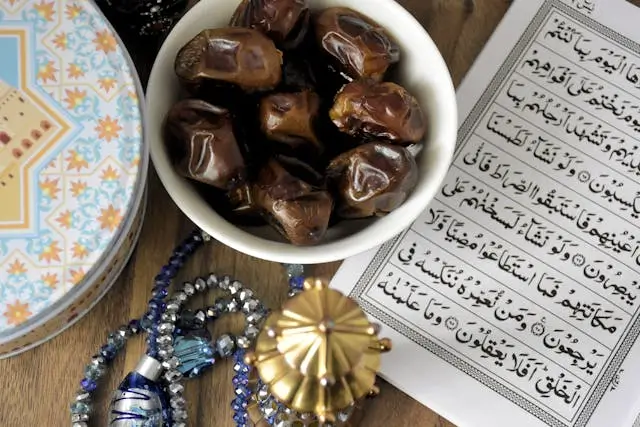
A unique Sunnah of Eid ul-Fitr is eating an odd number of dates before leaving home for the Eid prayer. This practice, established by the Prophet Muhammad (peace be upon him), is symbolic and follows his exact tradition.
Eating before the prayer ensures that one breaks the fast in a recommended way, starting the day with a blessed act. If dates are unavailable, other foods or fruits can be eaten, but following the Sunnah of consuming an odd number of items is recommended. This simple act also reinforces the spirit of gratitude and mindfulness as the day begins.
6. Visiting Family, Friends, and Neighbors
Eid ul-Fitr is a time to strengthen family and community ties. Following the Sunnah, Muslims are encouraged to visit relatives, neighbors, and the sick, exchanging warm greetings of “Eid Mubarak”. This practice promotes social cohesion, love, and unity within the community.
Prophet Muhammad (peace be upon him) emphasized visiting loved ones on Eid to share blessings and joy. Children and elders alike are encouraged to participate, ensuring that the day is celebrated collectively. Such visits also provide opportunities to teach younger generations the significance of Sunnah and community responsibility.
If you want your children to learn the Sunnah and Hadith in a fun and engaging way, contact us today: https://quranteacheronline.co.uk/
7. Using Different Routes to and from Eid Prayer
Another beautiful Sunnah is taking different routes when traveling to and from the Eid prayer. This practice, observed by the Prophet Muhammad (peace be upon him), allows Muslims to greet more people and share blessings along the way.
By following this Sunnah, the day becomes more interactive and joyful, spreading Eid cheer throughout the community. It also symbolizes openness, generosity, and the desire to maximize social interactions during this special occasion.
Bonus Sunnah Acts
While the 7 acts above are core Sunnah practices, additional recommended actions include:
- Reciting Duas and Dhikr throughout Eid day
- Engaging children in Eid rituals and prayers
- Reflecting on the Quran and teachings to carry Ramadan lessons forward
Conclusion – 7 Sunnah of Eid ul-Fitr
Celebrating Eid ul-Fitr while following the Sunnah of Prophet Muhammad (peace be upon him) enriches the festival spiritually and socially. By performing the Eid prayer, reciting Takbir, giving Zakat, dressing appropriately, eating before prayer, visiting loved ones, and following the prescribed routes, Muslims honor the traditions of Islam while spreading joy and blessings.
May Allah accept our fasts, prayers, and Sunnah acts, and may this Eid bring peace, prosperity, and spiritual fulfillment to all. 🌙