How Many Letter Are in the Arabic Alphabet
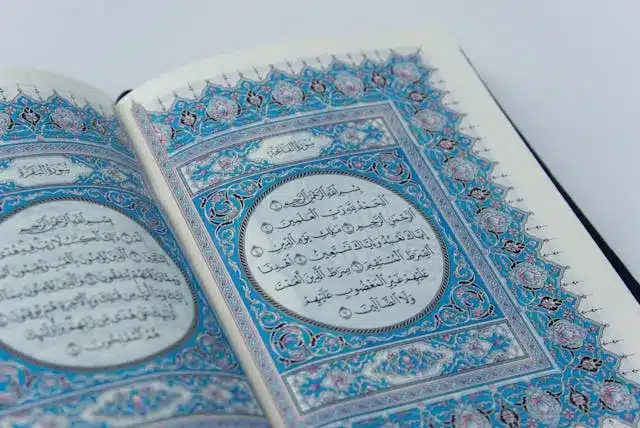
The Arabic alphabet is the foundation of the Arabic language, which is deeply intertwined with Islamic teachings, the Quran, and centuries of rich culture. Understanding the Arabic alphabet is essential not only for learning the language but also for reciting and comprehending the Quran accurately.
A common question among beginners and students of Arabic is: “How many letter are in the Arabic alphabet?” In this guide, we will answer this question comprehensively, explain the unique features of Arabic letters, and provide tips for effective learning, all while maintaining an Islamic perspective.
Introduction to the Arabic Alphabet
Arabic is spoken by over 400 million people worldwide and serves as the language of the Quran. Mastery of the Arabic alphabet is the first step for anyone wishing to read, write, or recite Islamic texts correctly.
The Arabic script is unique because it is written from right to left, and letters often change their shape depending on their position in a word. These characteristics give the Arabic alphabet its flowing and artistic appearance.
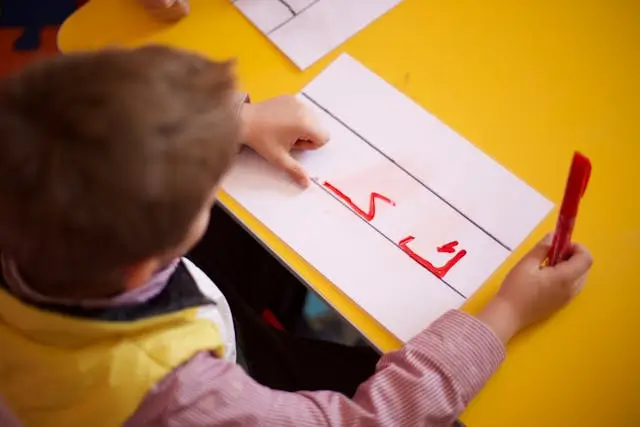
How Many Letter Are in the Arabic Alphabet?
The standard Arabic alphabet consists of 28 letters. Each letter represents a consonant, and short vowels are indicated using diacritical marks called Harakat.
Some sources mention 29 or 30 letters, which include Hamza (ء) or letters used in non-Arabic languages adopting the Arabic script. For beginners, focusing on the 28 main letters is sufficient to start reading and writing effectively.
List of the 28 Arabic Letters
| Arabic Letter | Name (Transliteration) | Pronunciation Guide |
|---|---|---|
| أ | Alif | a / aa |
| ب | Ba | b |
| ت | Ta | t |
| ث | Tha | th (as in “think”) |
| ج | Jeem | j (as in “jam”) |
| ح | Ha | soft h |
| خ | Kha | kh (guttural) |
| د | Dal | d |
| ذ | Dhal | dh (as in “this”) |
| ر | Ra | rolled r |
| ز | Zay | z |
| س | Seen | s |
| ش | Sheen | sh |
| ص | Sad | emphatic s |
| ض | Dad | emphatic d |
| ط | Ta | emphatic t |
| ظ | Za | emphatic dh |
| ع | Ain | voiced deep throat sound |
| غ | Ghain | gh (guttural) |
| ف | Fa | f |
| ق | Qaf | q (deep k sound) |
| ك | Kaf | k |
| ل | Lam | l |
| م | Meem | m |
| ن | Noon | n |
| ه | Ha | h |
| و | Waw | w / long oo |
| ي | Ya | y / long ee |
Unique Features of the Arabic Alphabet
Arabic letters have several unique features that distinguish them from Latin-based alphabets:
Letters Change Shape Depending on Position
- Isolated: the letter stands alone (e.g., ب)
- Initial: beginning of a word (e.g., بـ)
- Medial: middle of a word (e.g., ـبـ)
- Final: end of a word (e.g., ـب)
Some letters only connect on one side, which can initially confuse beginners but becomes intuitive with practice.
Writing Direction – Right to Left
Arabic is read and written from right to left, which is also the direction used for Quranic text. This feature requires adjustment for learners familiar with left-to-right scripts.
Short Vowels and Diacritics (Harakat)
- Fatha ( ـَ ) – short “a” sound
- Kasra ( ـِ ) – short “i” sound
- Damma ( ـُ ) – short “u” sound
These marks are essential for correct Quranic recitation and pronunciation.
No Capital Letters
Unlike English, Arabic has no uppercase letters. The script’s beauty comes from its flowing and connected forms.
Special Cases in the Arabic Alphabet
The Hamza (ء)
- Represents a glottal stop.
- Can appear on top of Alif, Waw, or Ya.
- Sometimes counted as a separate letter, causing debates about total letter count.
Letters with Dots
- Letters like ب, ت, ث, ن are differentiated only by dots.
- Correct dot placement is crucial for meaning and pronunciation.
Extended or Non-Standard Letters
- Some letters appear in Persian, Urdu, or other languages using the Arabic script.
- These letters are not part of standard Arabic, but knowing them is useful for multilingual learners.
Tips to Learn the Arabic Alphabet Effectively
Learning the Arabic alphabet can be straightforward with structured practice:
Step 1 – Learn Letters in Groups
- Group letters with similar shapes or sounds to aid memorization.
Step 2 – Practice Letter Shapes
- Write isolated, initial, medial, and final forms daily.
Step 3 – Master Pronunciation
- Listen to native speakers or online courses.
- Practice challenging sounds like ع (Ain) and غ (Ghain).
Step 4 – Read Simple Words
- Begin with words like باب (door) and كتاب (book) to understand letters in context.
Step 5 – Use Online Courses
- Consider guided courses like Quranic Arabic Course Online or learn to recite Quran with Tajweed for structured learning.
Common Mistakes When Learning Arabic Letters
- Confusing letters that look similar (ب, ت, ث)
- Mispronouncing letters without English equivalents (ع, غ)
- Ignoring Harakat or short vowels early on
Correcting these early ensures accurate reading of both the Quran and everyday Arabic.
Importance of the Arabic Alphabet in Islam
Arabic letters are not just linguistic tools; they are spiritually significant. Accurate reading of the Quran requires mastery of the alphabet and diacritics. Knowing the 28 letters forms the foundation for deeper Islamic learning, understanding prayers, and appreciating Quranic grammar and eloquence.
FAQs
How many letters are in Arabic?
- Standard Arabic has 28 letters; some include Hamza as a 29th.
Do Arabic letters change shape?
- Yes, letters have isolated, initial, medial, and final forms.
How are vowels written in Arabic?
- Short vowels are indicated by diacritics called Harakat.
How long does it take to memorize Arabic letters?
- With consistent practice, most learners can master the alphabet in a few weeks.
Are there capital letters in Arabic?
- No, Arabic script uses the same form for all positions, changing only shape contextually.
Conclusion
The Arabic alphabet consists of 28 letters, each with unique forms, sounds, and spiritual significance. Mastery of these letters is essential for reading the Quran, understanding Islamic texts, and communicating in Arabic.
With consistent practice, pronunciation guidance, and structured learning through resources like Quranic Arabic Course Online or Learn Quran with Tajweed, anyone can become proficient in Arabic letters and start reading and writing with confidence.