Sunnah of Eid ul Adha – A Complete Prophetic Guide to Celebrating the Day of Sacrifice
Eid ul Adha is one of the most blessed days in the Islamic calendar. It is a day of sacrifice, remembrance, gratitude, and submission to Allah ﷻ. As Muslims around the world gather to celebrate this special occasion, following the Sunnahs of Eid ul Adha allows us to revive the beautiful practices of Prophet Muhammad ﷺ and gain immense reward.
This complete, user-friendly guide explains all the authentic Sunnah acts of Eid ul Adha, along with their meanings, virtues, and practical application in daily life. Whether you are a parent teaching your children, a new learner, or simply looking to revive the Prophetic way, this article covers everything you need.
Why Following the Sunnah on Eid ul Adha Matters
The Sunnah is not just a ritual—it’s a way to strengthen our love for the Prophet ﷺ and earn closeness to Allah ﷻ. Eid is an opportunity to practice gratitude, charity, unity, and remembrance through the deeds taught by our beloved Messenger ﷺ.
By reviving these Sunnah actions, we:
- Gain rewards on one of the greatest days of the year
- Strengthen our spiritual connection
- Beautify our celebration with purpose and meaning
- Teach our families the Prophetic way
- Preserve the authentic Islamic identity
For ideas on making your home festive and welcoming during the blessed days, explore our complete guide on Eid decoration ideas.
Sunnahs Before Leaving for Eid Salah
1. Perform Ghusl (Ritual Bath) Before Eid Prayer
Taking a bath on the day of Eid is a well-known Sunnah. It symbolizes purity, freshness, and preparation for worship.
- It shows gratitude to Allah for blessing us with Eid.
- It helps you present yourself neatly among the Muslim community.
2. Wear Your Best Clean Clothes
The Prophet ﷺ encouraged wearing good and clean clothes on the day of Eid.
This does not necessarily mean buying new clothes—it means dressing respectfully and neatly.
3. Apply Perfume (For Men)
Men are encouraged to apply fragrance before attending the Eid prayer.
Women may use perfume only inside their homes, not in public.
4. Avoid Eating Before Eid ul Adha Prayer
Unlike Eid ul Fitr (where eating dates before Salah is Sunnah), the Prophet ﷺ would not eat before Eid al-Adha prayer.
He would eat after returning from prayer, from the meat of the sacrifice.
5. Recite the Takbeer of Tashreeq
Beginning after Fajr on the 9th of Dhul Hijjah and continuing until the 13th, the Takbeer is one of the biggest Sunnahs of Eid.
اللّٰهُ أَكْبَرُ اللّٰهُ أَكْبَرُ
لَا إِلٰهَ إِلَّا اللّٰهُ وَاللّٰهُ أَكْبَرُ
اللّٰهُ أَكْبَرُ وَلِلّٰهِ الْحَمْدُ
Recite it:
- At home
- On the way to Eid Salah
- In the masjid
- With family
It revives the spirit of Eid and fills hearts with remembrance.
Sunnahs While Going for Eid Salah
6. Walk to the Eid Prayer if Possible
The Prophet ﷺ would walk to the Eid prayer and return using a different route.
This Sunnah carries several benefits:
- Increases reward with every step
- Allows you to meet more members of the community
- Demonstrates the spirit of unity and celebration
7. Go to the Eid Ground Calmly and Peacefully
Muslims should walk calmly, not rushing or causing disturbance.
Eid is a day of dignity, humility, and remembrance.
8. Recite the Takbeer Out Loud on the Way
The Prophet ﷺ encouraged Muslims—especially men—to recite the Takbeer aloud on the way to Eid.
This spreads the remembrance of Allah and publicly shows gratitude for His blessings.
Sunnahs During the Eid Prayer
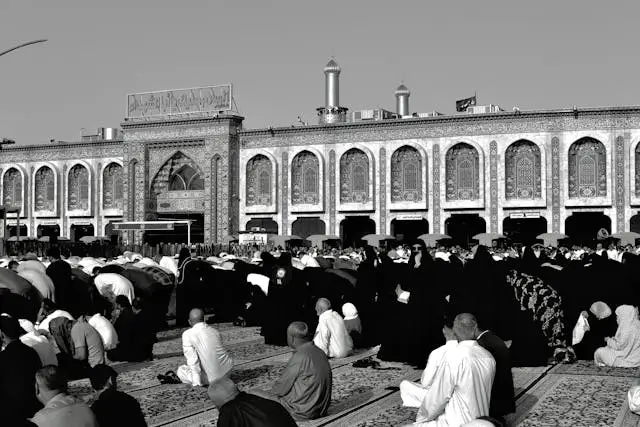
9. Offer the Eid Prayer in Congregation
Eid prayer is a major Sunnah for every Muslim man, woman, and child.
It should be prayed in a large congregation when possible—at the mosque or Eid ground.
10. No Adhan or Iqamah
Eid Salah has no Adhan and no Iqamah, according to authentic Sunnah.
11. Listen Attentively to the Eid Khutbah
While the Eid Khutbah is not obligatory, it is strongly recommended to remain seated and listen attentively.
It provides guidance, reminders, and blessings.
Sunnahs After Eid Salah
12. Offer the Qurbani (Udhiya) Sacrifice
In Eid ul Adha, Qurbani is one of the most emphasized acts.
It commemorates the sacrifice of Prophet Ibrahim عليه السلام and symbolizes submission to Allah.
Key points:
- Must be done after Eid Salah
- Should be done during the days of Eid (10th–12th Dhul Hijjah)
- Meat should be shared with family, friends, and the poor
- One sheep or goat per person; cow/camel can be shared
13. Eat from the Meat of Your Sacrifice
The Prophet ﷺ would eat from the meat of his Qurbani after returning from Eid prayer.
This is a beautiful Sunnah showing appreciation and gratitude.
14. Distribute Meat Generously
It is Sunnah to divide the meat into:
- One-third for your home
- One-third for relatives and friends
- One-third for the poor and needy
This promotes charity, compassion, and unity.
Sunnahs for Celebrating Eid With Family & Community
15. Spread Salam and Greet Each Other with Duas
The famous Sunnah greeting is:
تَقَبَّلَ اللّٰهُ مِنَّا وَمِنْكُمْ
“May Allah accept from us and from you.”
It brings hearts together and increases love among Muslims.
16. Keep the Day Filled With Dhikr
Even after Eid Salah, continue:
- Takbeer
- Tahleel
- Tasbeeh
- Durood
- Quran recitation
Eid is a day of worship, not just celebration.
17. Visit Family, Relatives, and Neighbours
Strengthening family ties is one of the greatest acts in Islam.
Eid is the perfect opportunity for:
- Forgiveness
- Bonding
- Reconciliation
- Charity
- Kindness
18. Give Gifts and Charity
The Prophet ﷺ said:
“Give gifts to one another, for it increases love.”
Eid is a day of joy—especially for children. Giving gifts, food, or charity is strongly encouraged.
Additional Sunnahs for the Days of Tashreeq (11th–13th Dhul Hijjah)
The days following Eid (11th–13th Dhul Hijjah) are known as the Days of Tashreeq.
Key Sunnah Practices:
- Continue reciting the Takbeer after every Fardh Salah
- Remain in the remembrance of Allah
- Continue eating, drinking, and celebrating (as these are days of joy)
- Increase charity and kindness
- Reflect on the story of Ibrahim and Ismail عليهما السلام
These are days of worship, gratitude, and reflection—not fasting.
If you would also like to learn the Sunnahs of the other Eid, you can read our detailed guide on the Sunnah of Eid ul Fitr here.
Spiritual Lessons From the Sunnahs of Eid ul Adha
Eid ul Adha is not only about sacrifice—it is about deeper meanings:
• Submission to Allah:
Just as Ibrahim عليه السلام submitted completely, we submit to Allah’s commands.
• Gratitude:
Eid reminds us of Allah’s countless blessings.
• Charity:
Sharing Qurbani meat and giving charity strengthens community bonds.
• Unity:
The global Muslim Ummah celebrates together, strengthening brotherhood.
• Reflection:
The story of the sacrifice teaches patience, trust, and love for Allah.
Reviving the Sunnah brings all these values into our homes and hearts.
Sunnah Checklist for Eid ul Adha (Quick Summary)
- Ghusl before Eid
- Wear clean and nice clothes
- Apply perfume (men)
- Do not eat before Eid prayer
- Recite Takbeer abundantly
- Walk to Eid prayer
- Take a different route back
- Pray Eid in congregation
- Listen to khutbah
- Perform Qurbani after Salah
- Eat from the meat
- Distribute generously
- Visit family, spread Salam
- Continue Takbeer until 13th Dhul Hijjah
Final Words
Eid ul Adha is a gift from Allah—full of mercy, forgiveness, and reward.
By reviving the Sunnah of our beloved Prophet ﷺ, we celebrate Eid in the most beautiful and meaningful way.
May Allah accept our sacrifices, prayers, intentions, and good deeds.
Ameen.