Importance of 10th Muharram in Islam – Ashura Explained
The 10th of Muharram, also known as Ashura, holds a profound place in the hearts of Muslims worldwide. As the first month of the Islamic lunar calendar, Muharram itself is sacred, and Ashura is a day filled with immense spiritual significance.
This day reminds believers of the unwavering faith of the prophets, the sacrifices of the righteous, and the importance of reflection, fasting, and charitable deeds. Understanding the importance of 10th Muharram in Islam provides insight into its historical, religious, and moral significance, helping Muslims strengthen their faith and devotion.
Introduction to the 10th of Muharram
Muharram marks the beginning of the Islamic year, a time to seek forgiveness, self-reflection, and spiritual renewal. Among its days, the 10th, Ashura, is particularly revered. The term “Ashura” comes from the Arabic word for ten, denoting the 10th day of Muharram.
The day is recognized for its deep historical roots and the acts of worship associated with it, including fasting and prayers. Muslims believe that observing Ashura allows them to draw closer to Allah and learn lessons from the lives of the prophets and righteous figures.
Historical Background of the 10th Muharram
Prophet Musa (AS) and the Exodus
One of the earliest events associated with Ashura is the story of Prophet Musa (AS) and the Israelites’ liberation from Pharaoh. According to authentic narrations, Allah saved Prophet Musa (AS) and his followers on this day, and Muslims are encouraged to fast in gratitude for Allah’s mercy. This historical connection highlights the spiritual significance of Ashura as a day of divine blessings and deliverance.
Martyrdom of Imam Hussain (AS) – Battle of Karbala
Another central aspect of Ashura is the martyrdom of Imam Hussain (AS) in the Battle of Karbala in 680 CE. Imam Hussain, the grandson of Prophet Muhammad ﷺ, stood against tyranny and oppression, sacrificing his life for justice, truth, and the principles of Islam.
His courage and steadfastness serve as a timeless example of moral integrity and devotion to Allah. The story of Karbala is a source of reflection, motivating Muslims to uphold righteousness in their own lives.
Religious Significance and Spiritual Virtues
Ashura is not only historically important but also spiritually rewarding. Observing this day through fasting, prayer, and reflection is highly recommended.
- Fasting on Ashura: Prophet Muhammad ﷺ encouraged Muslims to fast on the 9th and 10th of Muharram to differentiate the practice from Jewish traditions, which also fasted on this day. Fasting on Ashura is believed to expunge sins of the previous year, offering believers a chance for spiritual purification.
- Acts of Worship: Beyond fasting, voluntary prayers, Qur’an recitation, and Dhikr (remembrance of Allah) elevate one’s spiritual state, fostering mindfulness and gratitude.
- Charity and Reflection: Ashura encourages Muslims to give to the needy, support community welfare, and reflect on personal growth, reinforcing the values of compassion and justice.
Observances and Practices on Ashura
Fasting and Voluntary Worship
Fasting is the most widely observed practice on Ashura. Sunni Muslims are encouraged to fast on the 9th and 10th of Muharram or just on the 10th to follow the Sunnah of Prophet Muhammad ﷺ. In addition to fasting, Muslims engage in extra prayers, Qur’an recitation, and reflection on the significance of the day.
Charity and Good Deeds
Charity is strongly recommended on Ashura. Providing for the poor, helping the needy, and engaging in good deeds amplifies spiritual rewards. Muslims are reminded that their actions on this sacred day should reflect generosity, empathy, and righteousness.
Sunni and Shia Practices
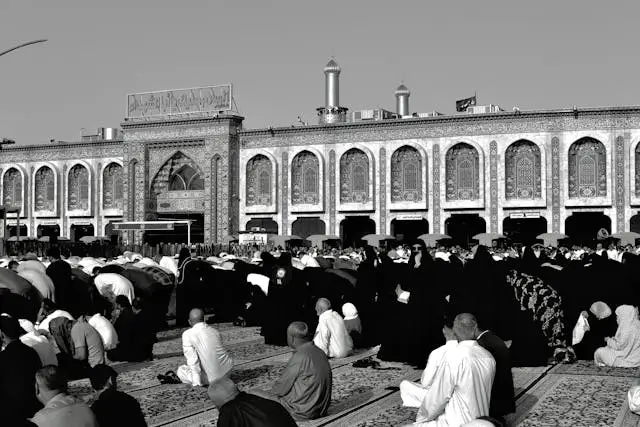
While Sunni Muslims emphasize fasting and voluntary worship, Shia Muslims observe Ashura with mourning rituals commemorating Imam Hussain’s martyrdom. These may include gatherings, recounting the events of Karbala, and reciting elegies. Despite differences, the core message of Ashura—justice, devotion, and remembrance of Allah—remains central to both traditions.
Lessons from the 10th Muharram
The lessons of Ashura go beyond rituals and fasting. Imam Hussain’s sacrifice embodies courage, steadfastness, and unwavering faith. Believers are reminded to:
- Uphold justice and truth, even in challenging circumstances.
- Exercise patience, gratitude, and obedience to Allah.
- Reflect on personal morality and strive for spiritual growth.
Ashura encourages Muslims to connect their daily lives with the values exemplified by the prophets and righteous figures, fostering a deeper sense of purpose and accountability.
To deepen your understanding of Islamic teachings and practices like Ashura, consider enrolling in our online Quran and Islamic studies courses at Quran Teacher Online and learn directly from qualified teachers from the comfort of your home.
Common Misconceptions About the 10th Muharram
There are several misconceptions surrounding Ashura that need clarification:
- Ashura is not an Islamic festival. It is a day of fasting, reflection, and mourning for historical events, not celebration.
- Fasting is highly recommended but not obligatory for all Muslims; the obligation is voluntary for spiritual merit.
- Shia and Sunni practices differ, but both aim to honor the sacrifice of Imam Hussain (AS) and reflect on the lessons of Ashura.
By understanding these facts, Muslims can observe the day with proper knowledge and devotion.
Frequently Asked Questions (FAQ)
Why is the 10th of Muharram important in Islam?
It commemorates Prophet Musa’s deliverance and Imam Hussain’s sacrifice, offering spiritual reflection and opportunity for fasting.
Should all Muslims fast on Ashura?
Fasting is recommended for Sunni Muslims; Shia Muslims observe the day through remembrance and mourning rituals.
What are the spiritual benefits of observing Ashura?
Fasting, prayer, charity, and reflection expiate sins, increase devotion, and strengthen faith.
How can families observe the 10th of Muharram?
Children can participate by learning about Karbala, engaging in prayers, fasting (if age-appropriate), and performing acts of charity.
Can modern Muslims participate in Ashura observances globally?
Yes, online lectures, virtual gatherings, and charitable platforms enable global participation.
Aims of Islamic Education – for guiding children in learning about Islamic traditions.
Conclusion
The 10th of Muharram, Ashura, is a day of deep spiritual, historical, and moral significance. From the story of Prophet Musa (AS) to the martyrdom of Imam Hussain (AS), Ashura reminds Muslims of courage, steadfastness, and devotion to Allah. Observing Ashura through fasting, prayer, reflection, and charity strengthens faith and fosters moral and spiritual growth.
By understanding and practicing the teachings of Ashura, believers honor the lessons of the past while enriching their present spiritual journey.