What is Milad un Nabi? – 12 Rabi ul Awal
Milad un Nabi, also known as Mawlid al-Nabi, is one of the most significant Islamic celebrations, observed globally on the 12th of Rabi ul Awal, the third month of the Islamic lunar calendar. This day marks the birth of Prophet Muhammad ﷺ, the final messenger of Allah, whose life and teachings guide millions of Muslims worldwide. Celebrating Milad un Nabi is a way for Muslims to express love, respect, and reverence for the Prophet ﷺ, reflect on his exemplary character, and strengthen their faith.
Historical Background of Milad un Nabi
Birth of Prophet Muhammad ﷺ
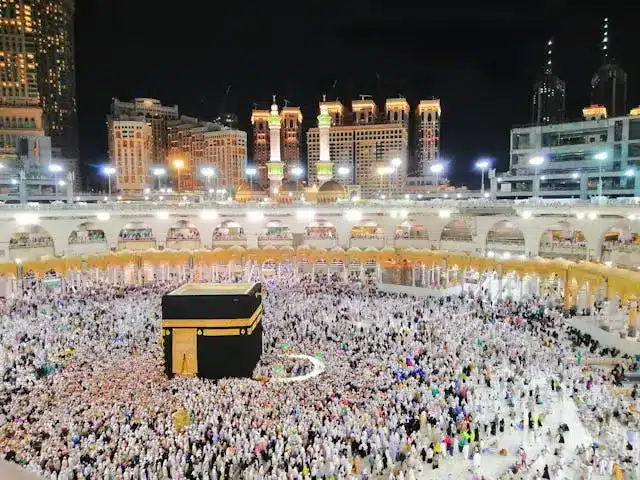
Prophet Muhammad ﷺ was born in Mecca in the year 570 CE, a time known as the Year of the Elephant. His birth brought light and guidance to a world steeped in ignorance and moral decay. The life of Prophet ﷺ, known as the Seerah, provides Muslims with spiritual, ethical, and social guidance. Understanding the historical context of his birth allows Muslims to appreciate the immense significance of Milad un Nabi.
Origin of the Celebration
The practice of celebrating the Prophet ﷺ’s birthday began centuries after his passing. While not observed during his lifetime, Muslims gradually adopted it as a means to commemorate his life, virtues, and teachings. Over time, cultural and religious practices emerged to honor the Prophet ﷺ, including public gatherings, recitations of the Qur’an, and educational programs. Different Islamic traditions, such as Sunni and Shia, observe Milad un Nabi with slight variations, reflecting their unique historical and theological perspectives.
Significance of 12 Rabi ul Awal
Spiritual Importance
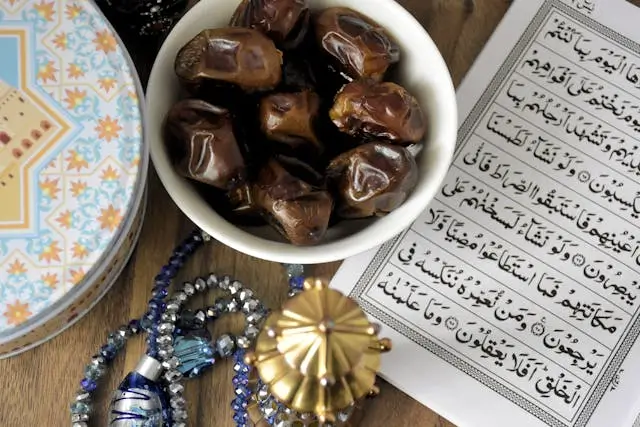
The spiritual value of Milad un Nabi lies in the opportunity to strengthen love and reverence for Prophet Muhammad ﷺ. Muslims send Salawat (blessings) upon him, recite Qur’anic verses, and engage in prayers that reinforce their connection to the Prophet ﷺ. Observing Milad encourages reflection on his exemplary character, including his honesty, compassion, patience, and devotion to Allah.
Cultural and Social Significance
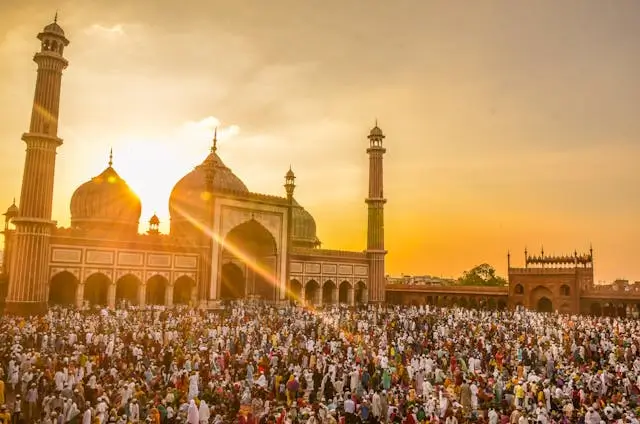
Beyond its spiritual meaning, Milad un Nabi serves as a time for community bonding and education. Families, mosques, and Islamic centers organize lectures, storytelling sessions, and charity events. In countries like Pakistan and the UK, Milad celebrations often involve processions, public recitations, and youth programs aimed at fostering Islamic values. These practices help instill a sense of unity, belonging, and moral responsibility among Muslims.
How Milad un Nabi is Observed
Religious Practices
Muslims celebrate Milad un Nabi through various acts of worship and devotion:
- Recitation of the Qur’an to honor Allah’s guidance.
- Salawat (sending blessings on Prophet ﷺ), which brings spiritual reward and strengthens faith.
- Lectures and sermons highlighting the life, character, and teachings of Prophet Muhammad ﷺ.
- Reflection on Seerah, understanding lessons applicable to personal and community life.
Community and Cultural Practices
Milad un Nabi is also a time for social engagement:
- Processions and public gatherings where poetry, Nasheeds, and educational talks are presented.
- Charity events, including feeding the poor and distributing gifts to children.
- Educational programs in schools and mosques to teach the significance of the Prophet ﷺ’s life.
- Online celebrations, which have become increasingly popular for Muslims living abroad, allowing global participation.
Differences in Sunni and Shia Observance
While both Sunni and Shia communities honor the Prophet ﷺ’s birthday, their approaches may differ. Sunni Muslims typically focus on educational and spiritual programs, while Shia Muslims often include mourning and remembrance ceremonies alongside celebratory activities. Despite differences, the core aim remains the same: expressing love for the Prophet ﷺ and reflecting on his teachings.
Modern-Day Observances
Today, Milad un Nabi is celebrated globally with both religious devotion and cultural vibrancy. Islamic centers and mosques host interactive programs, including storytelling, Quran competitions, and seminars. Social media plays a significant role in spreading awareness, allowing Muslims worldwide to share messages of peace, compassion, and devotion associated with the Prophet ﷺ.
- Learn more about the aims of Islamic education to understand how Islamic teachings, including the Seerah, guide moral development.
- Explore our Sunnah of Eid ul Adha to see how following the Prophet ﷺ’s practices strengthens spiritual life.
Common Misconceptions About Milad un Nabi
- Obligatory vs. Voluntary: Celebrating Milad un Nabi is not obligatory (Fard) in Islam. It is a voluntary act of devotion aimed at honoring the Prophet ﷺ.
- Bid’ah Concerns: Some scholars consider certain festive practices as innovations (Bid’ah) if they lack religious basis. However, acts like reciting Salawat and reflecting on Seerah are highly recommended and in line with Islamic principles.
- Global vs. Cultural Practices: The way Milad is celebrated varies by region and culture, but the spiritual essence remains universal—love for Prophet Muhammad ﷺ and adherence to his teachings.
Why Celebrating Milad un Nabi Matters Today
Milad un Nabi is not merely a historical commemoration; it is a means of spiritual reflection and moral education. By learning about the Prophet ﷺ’s life and teachings, Muslims develop virtues such as patience, honesty, humility, and compassion. For children and youth, Milad serves as an educational opportunity to connect with Islamic values, ensuring the next generation understands the importance of following the Prophet ﷺ’s example.
Conclusion
Milad un Nabi, observed on 12 Rabi ul Awal, is a day of immense spiritual, cultural, and educational significance. Through prayers, reflection, community engagement, and educational programs, Muslims worldwide honor the life and teachings of Prophet Muhammad ﷺ. Celebrating Milad helps strengthen faith, promote moral values, and unify the community while providing a platform for learning and spiritual growth.