Why Is the Quran Important to Muslims? A Comprehensive Islamic Guide
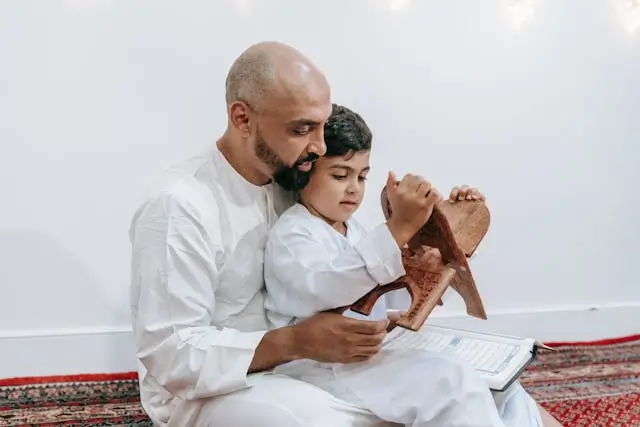
For a Muslim, the Qur’an is not merely a book — it is the living guidance from Allah, the ultimate manual for life, the anchor for faith, morality, and purpose. Through its verses, Muslims find spiritual direction, moral clarity, solace, and a direct connection to their Creator. In a world full of change and uncertainty, the Qur’an remains constant — timeless and relevant.
In this article, we explore why the Quran is so important to Muslims, covering its origin, its divine status, its guidance for life and character, its practical role in daily worship, and its lasting impact on individuals and communities.
What Is the Quran? Revelation, Preservation & Divine Scripture
Definition and Divine Revelation
The Qur’an literally means “the recitation.” It is the book revealed by Allah through the angel Jibreel (Gabriel) to the final Messenger, Prophet Muhammad (peace be upon him), over approximately 23 years. Muslims believe it is the literal word of Allah — unaltered, uncorrupted, and preserved for all time.
Because the Qur’an is divine revelation (wahy), it holds a status far above any human-authored text. It is not simply inspired; rather, it is Allah’s direct speech, making it uniquely sacred and authoritative.
Preservation Through Time: Oral and Written Transmission
From the time of revelation, the Qur’an was memorized (hifz) by many companions of the Prophet (raḍiyallāhu ʿanhum). Shortly after the Prophet’s passing, the first Caliphs compiled the verses into a single written mushaf (codex). Later, under the Caliphate of Uthman ibn Affan (raḍiyallāhu ʿanh), the Qur’an was standardized to preserve its authenticity.
This dual path — memorization and manuscript — ensured the Qur’an remained unchanged. For Muslims, this preservation reaffirms its reliability and reinforces faith that the “message of Allah” remains intact and available to every generation.
The Quran as the Direct Word of Allah — Why It Matters
Divine Authority and Inimitability (Iʿjaz al-Quran)
Because the Qur’an is the direct word of Allah, it carries ultimate authority over beliefs, worship, values, and law. Muslims accept its guidance without question. Its linguistic brilliance — unmatched eloquence, structure, rhythm, and depth — is considered a miracle and evidence of its divine origin (Iʿjaz).
No human speech can replicate its eloquence and impact. For believers, this uniqueness strengthens reverence and reminds them that the Qur’an is not a human creation but a miraculous, eternal message.
The Quran as Final Guidance
Though Muslims respect and follow the teachings of the Prophets, the Sayings of the Prophet (hadith), and scholarly guidance, the Qur’an remains the primary and ultimate source. In matters of faith, morality, and life, the Qur’an’s authority is supreme.
That is why every Muslim — whether scholar or layperson — turns first to its verses when seeking clarity, direction, or solace. It provides answers to life’s biggest questions: Who am I? Why am I here? How should I live?
Core Reasons: Why the Quran Is Important to Muslims
Spiritual Guidance and Purpose of Life
At its core, the Qur’an offers spiritual nourishment. It defines the believer’s relationship with Allah, clarifies human purpose, and offers a roadmap for a tranquil, meaningful life. Suggestions for prayer (ṣalāh), remembrance (dhikr), gratitude (shukr), and reliance (tawakkul) all stem from its guidance.
Muslims read the Qur’an seeking closeness to Allah, hope, forgiveness, and inner peace. In moments of hardship or uncertainty, it becomes a source of solace and resilience.
Moral and Ethical Foundation
The Qur’an sets high moral and ethical standards: honesty, compassion, justice, kindness, humility, charity, patience, and forgiveness. These values shape a Muslim’s character and behavior in all aspects of life — family dealings, business, community, and personal conduct.
By aligning with Qur’anic values, believers build integrity, trust, and righteousness — qualities that benefit not only individuals but entire communities.
Guidance for Life’s Major Decisions (Shariah & Life’s Affairs)
The Qur’an addresses major aspects of life: marriage, family, inheritance, trade, justice, social relations, community rights, and more. By following its guidance, Muslims ensure that their life decisions comply with the divine moral and legal framework.
Whether entering into business, managing finances, raising children, or forming social bonds — the Qur’an remains a living guide that shapes personal and collective well-being.
Hope, Healing, and Psychological Comfort
Recitation of the Qur’an (tilāwah) and reflection (tafakkur) are deeply soothing. Many Muslims experience inner calm, reduced anxiety, comfort in grief, and renewed hope when engaging with its verses.
The Qur’an encourages believers to rely on Allah, trust His wisdom, and seek refuge in Him during trials — fostering patience, contentment, and spiritual resilience.
Preparation for the Hereafter (Akhirah)
The Qur’an frequently reminds believers of the life after death, accountability, and the eternal judgment. It encourages righteous deeds, humility, and consciousness of Allah’s presence.
This eternal perspective gives life meaning beyond materialism. It inspires believers to seek good, uphold justice, and strive for a meaningful legacy.
Historical Lessons and Guidance From Past Prophets
Through stories of earlier prophets and communities, the Qur’an teaches powerful lessons: trust in Allah during adversity, consequences of arrogance, reward of righteousness, and importance of repentance.
These narratives serve as timeless reminders — Muslims draw from them for personal growth and social ethics.
The Quran in a Muslim’s Daily Life — Worship, Character & Family
Daily Recitation (Tilāwah) and Power of Recitation
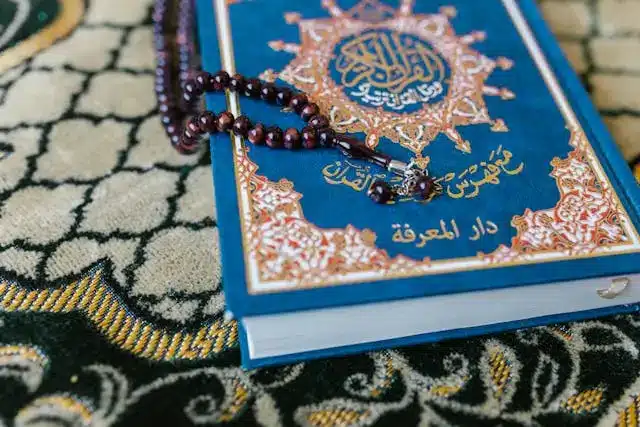
Many Muslims recite portions of the Qur’an daily. Whether during Fajr, evening reflections, or free moments, recitation brings reward (thawab), spiritual uplift, and connection to Allah.
Memorization (hifz) is especially revered: those who memorize the Qur’an and recite it properly carry a special honor. Parents often instill memorization habits in their children early, building a legacy of faith.
Integral Role in Prayer (Ṣalāh)
The Qur’an is central to Islamic prayer. In every unit of prayer (rakʿah), the opening chapter (Surah al-Fātiḥah) is recited — making the Qur’an a direct partner in worship.
This repeated recitation reinforces the importance of the Qur’an, immersing believers in its verses multiple times a day.
Guiding Moral Decisions and Daily Conduct
When faced with ethical dilemmas — at work, with family, in business dealings — many Muslims turn to the Qur’an for guidance. Its teachings on honesty, fairness, trustworthiness, and respect guide everyday choices.
By living according to Qur’anic values, believers build integrity, positively impact others, and uphold social harmony.
Teaching Children, Building Families, and Strengthening Communities
The Qur’an acts as moral and spiritual education for families. Parents encourage children to recite, memorize, and practice its teachings. This upbringing molds strong character, instills Islamic values, and ensures faith is passed to the next generation.
Communities bound by mutual respect, charity, and moral values often trace their unity back to the shared foundation of the Qur’an.
The Quran’s Miraculous Nature — Spiritual & Intellectual Wonder
Linguistic and Literary Miracle
The Qur’an’s unmatched eloquence, rich vocabulary, powerful imagery, rhyme, and rhythm set it apart. Its messages resonate across cultures and eras. For many believers, that literary excellence is evidence of its divine origin.
Through centuries, scholars have marvelled at its unparalleled style — in Arabic and in meaning — making it a timeless miracle.
Intellectual Depth and Guidance for Reflection
The Qur’an encourages believers to reflect, ponder, and use their intellect. It raises questions about creation, purpose, morality, justice, human conduct — prompting believers to think deeply about their existence and responsibilities.
This intellectual challenge ensures the Qur’an remains relevant for individuals, scholars, and entire societies — across age, culture, and generation.
Universal Relevance for Every Time and Place
Though revealed over 1,400 years ago, the Qur’an addresses universal human needs — purpose, justice, morality, worship, family, community. Its themes transcend time, place, and culture.
For Muslims today — whether in rural villages or modern cities — its guidance remains as relevant and life-changing as ever.
Common Misconceptions & Questions — Clarified
Is the Quran Only for Muslims?
While the Qur’an is divine guidance revealed for humanity, it holds special spiritual significance for believers. Its message invites contemplation, guidance, and mercy to all, but acceptance of its spiritual authority depends on faith. Muslims treat it with deep respect (ritual purity, proper handling) because it is sacred.
Isn’t It Outdated for the Modern World?
No. The Qur’an addresses human nature, morality, justice, compassion — themes that remain universal. Its principles guide modern challenges: ethics in business, social justice, family values, human rights, compassion for the needy, environmental stewardship, and more.
Why Do Muslims Memorize It (Hifz)?
Memorization helps preserve the Qur’an in pure form, ensures uniformity across the world, and builds a deep personal bond. It allows believers to carry the guidance in their hearts, recite anytime, anywhere, and preserve authenticity across generations.
How Is the Quran Different from Hadith or Human Opinions?
While hadith (narrations of the Prophet) and scholarly opinions offer context, explanation, and application, they are secondary to the Qur’an. The Qur’an remains the primary source — with supreme authority. Hadith and scholarly work support and interpret its meaning, but never override its message.
How to Develop a Deeper Connection with the Quran — Practical Steps
- Read with Understanding (Tadabbur): Read slowly, reflect on meaning, try to understand context.
- Learn Tafsir (Exegesis): Study classical or modern commentary to grasp deeper lessons and avoid misinterpretation.
- Recite with Tajwīd and Respect: Proper pronunciation honors the words of Allah and preserves dignity. If you are new to recitation, consider joining structured classes. Our Online Quran Classes help beginners and advanced students alike.
- Memorize in Small Portions: Start with short surahs, gradually build memory — even a few lines a day is beneficial.
- Act on Its Teachings: Knowledge without action is incomplete. Strive to live with honesty, compassion, gratitude, and justice.
- Teach Family & Children: Pass on the habit of recitation, reverence, and understanding — ensuring future generations stay connected to the Qur’an.
If you want to deepen your understanding and improve your recitation or tajwīd, visit our Tajweed Course page to explore structured learning options.
Conclusion
The Qur’an is far more than a historical book. For Muslims, it is divine guidance, a source of comfort, a compass for life, and a bond with Allah. It shapes spirituality, character, family, community, and worldview.
Whether recited under the night sky, studied in a humble corner, or memorized by heart, the Qur’an continues to transform hearts. It calls believers to faith, righteousness, mercy, and hope — in this world and the next.
For every Muslim — young or old, scholar or layman — the Qur’an remains the most precious gift and the foundation of a meaningful, righteous, and balanced life.
May Allah guide us all to understand, live by, and benefit from His glorious Book.
FAQs
Why is the Qur’an called the final revelation?
It was revealed last, preserved without alteration, and confirms, completes, and supersedes previous scriptures (Bible, Torah).
Can non-Muslims read the Qur’an?
Yes. Many translations exist. While the original Arabic has spiritual depth, translations help non-Arabic speakers grasp its message.
Does reciting the Qur’an bring reward even without understanding?
Yes — the act of recitation itself is rewarded. Yet understanding its meaning (tadabbur) and implementing its guidance multiplies benefit.