How is Milad un Nabi Celebrated?
Milad un Nabi, observed on the 12th of Rabi ul Awal, is a profoundly significant day for Muslims worldwide, marking the birth of Prophet Muhammad ﷺ. While the essence of the day revolves around spirituality and reflection on the life of the Prophet ﷺ, communities celebrate it in various meaningful ways. In this article, we explore five key ways Milad un Nabi is celebrated, highlighting both devotional practices and cultural traditions.

1. Special Prayers and Recitation of Quran
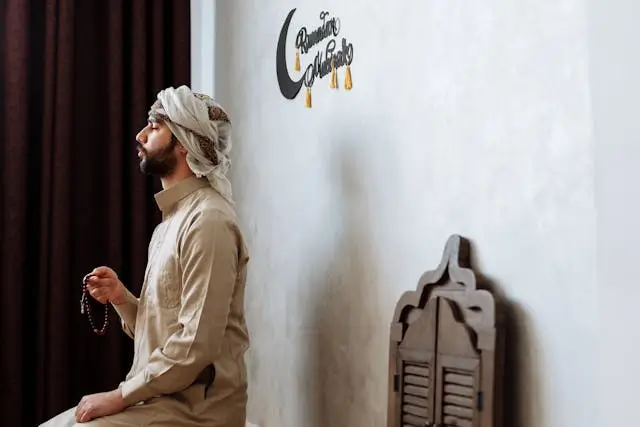
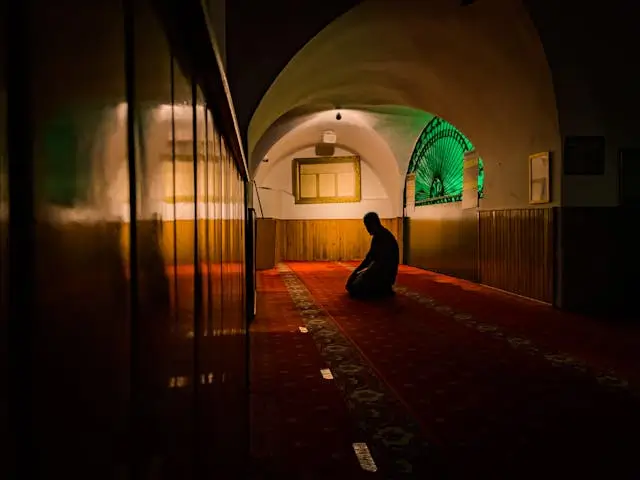
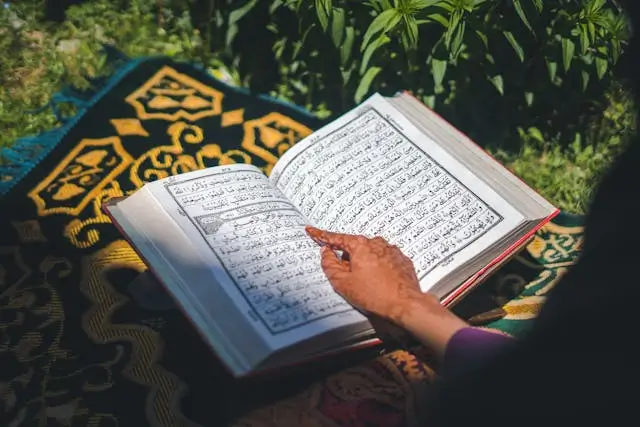
One of the most central aspects of Milad un Nabi is engaging in special prayers and recitations to honor the Prophet ﷺ. Muslims attend mosques and participate in congregational prayers, listening to sermons that emphasize the moral and spiritual lessons of the Prophet’s life. This communal worship strengthens faith and brings the community together in remembrance of Allah and His beloved Messenger ﷺ.
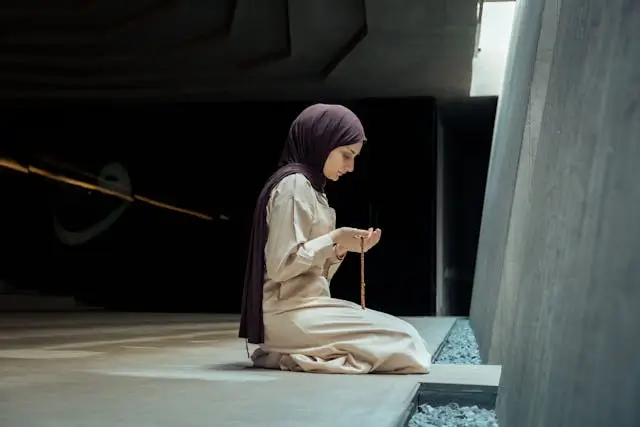
Another important tradition is the recitation of Salawat and Naats. These devotional songs and praises convey love and reverence for Prophet Muhammad ﷺ. Reciting Salawat not only expresses gratitude for his teachings but also brings spiritual blessings to those who participate. In homes, mosques, and community halls, families often recite the Quran, focusing on chapters that reflect mercy, patience, and compassion—the hallmarks of the Prophet’s ﷺ character.
For more insights into Islamic celebration practices, you can explore our article on Sunnah of Eid ul Fitr.
2. Organizing Religious Gatherings and Sermons
Milad un Nabi is also a time for religious gatherings, educational sessions, and storytelling. These gatherings, known as majlis, are organized to narrate the Seerah of the Prophet ﷺ—his life story, teachings, and exemplary character. Such sessions are especially valuable for children and new Muslims, providing a structured way to learn about the history and values of Islam.
In addition, scholars and community leaders often deliver spiritual lectures emphasizing ethical guidance and moral lessons from the Prophet ﷺ. Stories of his compassion, patience, and leadership inspire participants to emulate these qualities in daily life. These gatherings serve both spiritual and educational purposes, ensuring that the significance of Milad un Nabi is passed down through generations.
3. Charity and Acts of Kindness
Charity and helping others are deeply embedded in Milad un Nabi celebrations. On this blessed day, Muslims are encouraged to feed the needy, distribute food, and share sweets with family, neighbors, and the community. These acts of kindness reflect the Prophet’s ﷺ teachings of compassion and generosity toward all.
Donations to mosques, Islamic charities, and community welfare projects are also common. Many organizations coordinate special campaigns during Milad un Nabi, ensuring that sadaqah and Zakat reach those in need. By integrating acts of charity into the celebration, Muslims not only honor the Prophet ﷺ but also strengthen communal bonds and fulfill a core aspect of their faith.
Explore creative ideas for community and home celebrations in our Eid Decoration Ideas article.
4. Decorating Homes, Mosques, and Streets
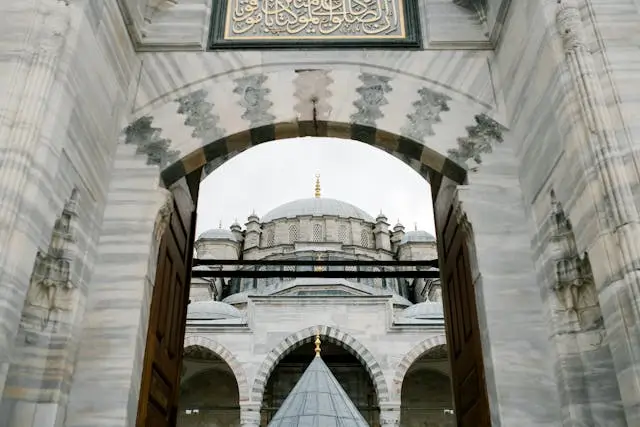
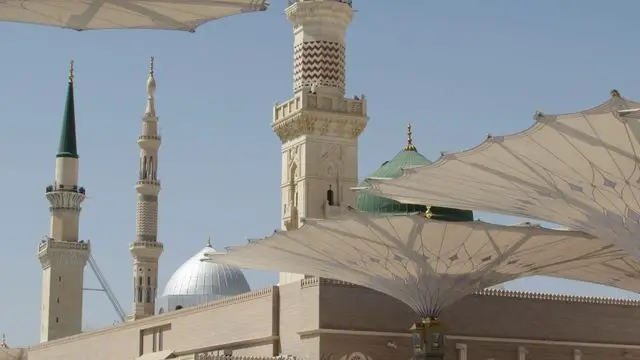
Visual expressions of devotion are a key part of Milad un Nabi. Mosques, community halls, and streets are adorned with lights, banners, and calligraphy to mark the Prophet’s ﷺ birth. These decorations not only beautify public spaces but also create an atmosphere of celebration and reverence.
Families often decorate their homes with lights, posters, and Islamic art, hosting small gatherings to commemorate the day. The tradition of illumination, sometimes referred to as “Sham-i-Milad”, symbolizes spiritual enlightenment and the spreading of knowledge and blessings. Such visual displays remind the community of the importance of unity, faith, and the Prophet’s ﷺ teachings.
5. Public Processions and Community Events
In many Muslim communities, especially in countries like Pakistan, India, and the UK, public processions or Mawlid parades are a vibrant part of the celebration. Participants carry banners, chant praises of the Prophet ﷺ, and recite Quranic verses in unison. These processions serve to strengthen communal identity and spread the message of Islam to the broader public.
Educational institutions, mosques, and youth groups often organize cultural and educational events, such as competitions, storytelling sessions, and exhibitions highlighting the life and teachings of Prophet Muhammad ﷺ. Involving youth ensures that the legacy of the Prophet ﷺ continues to inspire future generations.
Help your children learn about the life and teachings of Prophet Muhammad ﷺ with our interactive online Quran and Islamic education classes at Quran Teacher Online.
FAQs About Milad un Nabi Celebrations
Is Milad un Nabi an obligatory celebration?
It is not obligatory; it is a recommended practice for Muslims to remember and honor the Prophet ﷺ.
Can children participate in Milad un Nabi events?
Yes, children can engage through storytelling, recitations, and educational activities tailored to their age.
Are there differences in celebrations among Sunni and Shia communities?
Yes, while the core significance remains, Shia and Sunni communities may observe different traditions and styles of public celebration.
Conclusion
Milad un Nabi is a festival of spiritual reflection, community bonding, and moral inspiration. From attending prayers and recitations, organizing educational gatherings, practicing charity, decorating homes and mosques, to participating in public processions, Muslims celebrate in ways that honor the Prophet ﷺ and embody his teachings. Observing these traditions allows believers to cultivate gratitude, empathy, and a deeper connection with Islam.
By combining spiritual devotion with communal engagement, Milad un Nabi becomes not only a celebration of the Prophet’s ﷺ birth but also a reaffirmation of Islamic values in everyday life.