What is Muharram? 2026 Meaning, Significance, and Observances
Muharram is one of the most sacred months in the Islamic calendar, marking the beginning of the Hijri lunar year. It holds immense spiritual significance for Muslims worldwide, offering an opportunity for reflection, repentance, and voluntary acts of worship.
Often misunderstood, Muharram is a period to reconnect with Islamic teachings, remember the trials of the prophets, and renew one’s commitment to faith. In this article, we will explore the meaning of Muharram, its historical and religious importance, key observances, and practical guidance for Muslims today.
The Meaning and Origin of the Name “Muharram”
The term “Muharram” is derived from the Arabic root ḥ-r-m, which means “forbidden” or “sacred.” In pre-Islamic Arabia, it was a month during which fighting was forbidden, emphasizing peace and respect for human life. Islam continued this tradition, recognizing Muharram as one of the four sacred months (Ash-hur al-Hurum) in which warfare is prohibited except in self-defense. This sanctity highlights the spiritual and moral weight of the month, encouraging Muslims to engage in reflection, prayer, and good deeds.
Muharram in the Islamic Calendar
Muharram is the first month of the Hijri calendar, which is based on the lunar cycle. Unlike the Gregorian calendar, the Islamic calendar moves approximately 10 to 12 days earlier each year relative to the solar year.
The beginning of Muharram also marks the Islamic New Year, though it is observed more as a time for spiritual reflection rather than celebration. The significance of Muharram is further amplified by its connection to the Hijrah, the migration of Prophet Muhammad ﷺ from Mecca to Medina, which set the foundation for the Islamic calendar.
Why Muharram is Sacred
Muharram is considered a month of great virtue. It is one of the four sacred months mentioned in the Qur’an, alongside Rajab, Dhu al-Qi’dah, and Dhu al-Hijjah. During this month, acts of worship are highly rewarded, and Muslims are encouraged to avoid sins and engage in repentance.
Fasting, charity, remembrance of Allah, and recitation of the Qur’an are particularly meritorious in Muharram. Scholars emphasize that sincere worship during this month brings spiritual benefits throughout the year.
Key Historical Events of Muharram
The month of Muharram carries deep historical significance for Muslims. Among the most notable events is Ashura, observed on the 10th day of Muharram. For Sunni Muslims, Ashura commemorates the rescue of Prophet Musa (AS) and the Israelites from Pharaoh. Fasting on this day is highly recommended, as Prophet Muhammad ﷺ encouraged observing it as a means of gratitude and spiritual reflection.
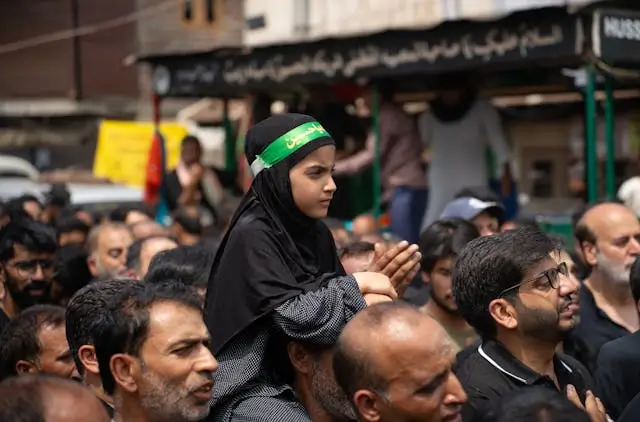
For Shia Muslims, Muharram is a period of mourning, particularly remembering the martyrdom of Imam Hussain (AS) at the Battle of Karbala in 680 CE. This tragic event symbolizes the struggle for justice, sacrifice, and standing against oppression. While practices may differ between communities, the underlying themes of faith, resilience, and devotion remain central to all Muslims observing Muharram.
How Muslims Observe Muharram
Observances in Muharram vary according to tradition, but there are universally encouraged practices for spiritual growth:
Fasting
Fasting during Muharram, especially on the 9th and 10th (or 10th and 11th), is highly recommended for Sunni Muslims. It serves as an act of devotion, gratitude, and spiritual purification.
Voluntary Worship
Muslims are encouraged to increase acts of worship such as Salah (prayers), Dhikr (remembrance of Allah), and Qur’an recitation. Spending extra time in reflection and repentance during Muharram strengthens the connection with Allah.
Charity and Good Deeds
Helping the needy, giving charity, and supporting community initiatives are especially rewarding in this sacred month. As a resource for spiritual guidance, Muslims may also explore the aims of Islamic education to understand the broader principles of living a righteous life.
Commemorating Ashura
Sunni Muslims often fast and engage in remembrance of Allah, while Shia Muslims hold processions and gatherings to mourn the sacrifice of Imam Hussain (AS). Both practices foster reflection on moral values and encourage living with integrity and faith.
Common Misconceptions About Muharram
There are several misconceptions about Muharram that should be clarified:
- Muharram is not a festival month; it is a sacred period for reflection and worship.
- Fasting is voluntary for most Muslims, except in specific Sunnah recommendations.
- Observances may differ between Sunni and Shia traditions, but both emphasize faith, morality, and devotion.
- Participating in Muharram practices is not limited to adults; children can also engage in acts of worship and learning.
FAQs
Why is Muharram considered a sacred month?
It is one of the four sacred months in Islam, emphasizing peace, reflection, and spiritual growth.
What is Ashura, and why is it important?
Ashura, on the 10th of Muharram, commemorates Prophet Musa’s rescue from Pharaoh and the martyrdom of Imam Hussain (AS).
Should every Muslim fast on 10th Muharram?
Fasting is highly recommended for Sunni Muslims but is not obligatory; it brings great spiritual reward.
Can children participate in Muharram observances?
Yes, children can join in acts of worship, charity, and learning about Islamic history.
How can one maximize spiritual rewards in Muharram?
Through fasting, prayer, Qur’an recitation, charity, and reflection on moral lessons.
Conclusion
Muharram is more than just the beginning of the Islamic calendar; it is a month of spiritual awakening, reflection, and moral guidance. By observing fasting, voluntary acts of worship, charity, and remembering the historical significance of Ashura, Muslims can strengthen their faith and align their lives with the teachings of Islam. Understanding and observing Muharram in accordance with its sacred nature helps every Muslim connect deeply with their spiritual heritage and uphold the timeless values of justice, sacrifice, and devotion.
For further learning, readers may also explore Sunnah of Eid ul Adha to enrich their knowledge of Islamic festivals and observances.