Dua for Islamic New Year – Spiritual Guidance for Muharram & Hijri Year
The Islamic New Year, marked by the first day of Muharram, is a sacred time for reflection, gratitude, and renewal of intentions. This blessed month reminds Muslims of the importance of starting anew with sincerity, seeking Allah’s guidance, and making heartfelt supplications. Engaging in duas for the Islamic New Year is a Sunnah that allows believers to strengthen their connection with Allah and seek blessings, forgiveness, and protection for the year ahead.
The Hijri calendar serves as a spiritual reminder for Muslims worldwide to pause, evaluate their deeds, and plan for a life aligned with faith. In this article, we explore the significance of dua during the Islamic New Year, the recommended supplications, their meanings, and practical guidance on making them correctly.
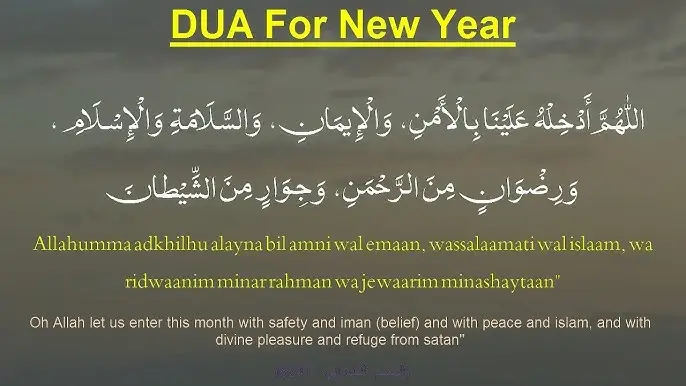
Significance of the Islamic New Year and Muharram
The first month of the Islamic calendar, Muharram, is one of the four sacred months in Islam. Its sanctity is emphasized in the Qur’an and Hadith, highlighting that certain months hold greater rewards for worship and righteous deeds. Beginning the new Hijri year with dua is a prophetic practice that reflects mindfulness, gratitude, and a desire for spiritual growth.
Muharram is also closely associated with reflection and accountability, encouraging Muslims to seek forgiveness, strengthen their iman, and renew their intentions to live a life pleasing to Allah. By making dua during this month, believers align themselves with the prophetic tradition of starting each year with prayer and remembrance.
You can learn more about the aims of Islamic education and cultivating spiritual growth here.
Understanding the Role of Dua in Islam
Dua, or supplication, is a direct form of communication with Allah. It reflects a Muslim’s faith, dependence, and humility before the Creator. While obligatory acts of worship like Salah have specific forms, dua allows a believer to express personal needs, gratitude, and aspirations.
Making duas for the Islamic New Year helps Muslims start the year with clarity and focus, seeking guidance in all aspects of life, including spiritual, emotional, social, and financial well-being. This practice strengthens the heart and fosters reliance on Allah while promoting self-reflection and conscious intention.
Recommended Duas for Islamic New Year
Here is a collection of powerful and meaningful duas that Muslims can recite during Muharram and the Islamic New Year. Each dua is presented in Arabic, transliteration, and English translation to ensure accessibility for all believers.
Duas for Forgiveness and Mercy
Arabic:
اللَّهُمَّ اغْفِرْ لِي ذَنْبِي وَارْحَمْنِي وَتُبْ عَلَيَّ
Transliteration:
Allahumma ighfir li dhambi wa irhamni wa tub ‘alayya
Translation:
“O Allah, forgive my sins, have mercy on me, and accept my repentance.”
This dua encourages Muslims to cleanse themselves of past mistakes and begin the year with spiritual purity. Seeking forgiveness aligns the heart with Allah’s mercy and prepares believers for a year of righteous deeds.
Duas for Protection and Guidance
Arabic:
اللَّهُمَّ اهْدِنِي وَاحْفَظْنِي وَاجْعَلْنِي فِي رِعَايَتِكَ
Transliteration:
Allahumma ahdini wa ahfazni wa aj‘alni fi ri‘ayatik
Translation:
“O Allah, guide me, protect me, and keep me under Your care.”
Seeking divine protection is vital, as it ensures that Muslims rely on Allah for safety from harm, evil influences, and challenges throughout the year.
Duas for Knowledge and Wisdom
Arabic:
اللَّهُمَّ زِدْنِي عِلْمًا وَفَهْمًا وَاهْدِنِي إِلَى الطَّرِيقِ الْمُسْتَقِيمِ
Transliteration:
Allahumma zidni ‘ilman wa fahman wa ahdini ila at-tariq al-mustaqim
Translation:
“O Allah, increase me in knowledge and understanding, and guide me to the straight path.”
This dua emphasizes the pursuit of beneficial knowledge and righteous action. Starting the year with a commitment to learning ensures spiritual growth and practical wisdom in daily life.
Duas for Health, Well-being, and Family
Arabic:
اللَّهُمَّ احْفَظْنِي وَعَافِنِي وَبَارِكْ فِي أَهْلِي وَأَحِبَّتِي
Transliteration:
Allahumma ahfazni wa ‘afini wa barik fi ahli wa ahibbati
Translation:
“O Allah, protect me, grant me health, and bless my family and loved ones.”
Believers are encouraged to pray for their well-being, their family’s safety, and overall health throughout the year, reflecting gratitude and concern for loved ones.
Duas for Prosperity and Sustenance
Arabic:
اللَّهُمَّ اجْعَلْ رِزْقِي حَلَالًا وَبَارِكْ لِي فِيهِ وَاغْنِنِي بِحَلَالكَ عَنْ حَرَامِكَ
Transliteration:
Allahumma aj‘al rizqi halal wa barik li fihi wa aghnini bihalalika ‘an haramika
Translation:
“O Allah, make my sustenance lawful, bless it, and enrich me through Your halal provisions instead of the forbidden.”
This dua reminds Muslims to seek halal income and rely on Allah for sustenance, cultivating contentment and barakah (blessing) in wealth.
Duas for the Ummah and Global Peace
Arabic:
اللَّهُمَّ احْفَظْ أُمَّتِي وَاهْدِهِمْ وَوَفِّقْهُمْ لِلصَّلَاحِ وَالسَّلَامِ
Transliteration:
Allahumma ahfaz ummati wa ahdihim wa waffiqhum lil-salah wa as-salam
Translation:
“O Allah, protect my Ummah, guide them, and grant them success in righteousness and peace.”
Praying for the Muslim community and humanity emphasizes unity, compassion, and responsibility toward others while seeking Allah’s blessings.
Learn more about the Sunnah of Eid ul Adha here.
How to Make Dua Properly During Islamic New Year
Etiquettes of Dua
- Make dua sincerely, with humility and focus.
- Face the Qibla and raise hands if possible.
- Begin with praise of Allah and sending blessings upon Prophet Muhammad ﷺ.
- Recite duas consistently during sacred times, especially mornings, evenings, and during Muharram.
Common Mistakes to Avoid
- Reciting dua mechanically without understanding its meaning.
- Expecting immediate results; trust Allah’s timing.
- Neglecting to pair supplication with righteous actions, gratitude, and reflection.
Frequently Asked Questions (FAQ)
Can I recite these duas in English?
Yes, but including Arabic preserves the prophetic tradition and carries additional spiritual reward.
How often should I recite these duas during Muharram?
Daily recitation or whenever convenient; sincerity is more important than frequency.
Are these duas obligatory or recommended?
They are recommended (mustahabb), not obligatory, but greatly encouraged.
Can I make dua on behalf of someone else?
Yes, for family members, deceased, or the broader Ummah.
Do I need to memorize them?
Memorization is encouraged but reading with understanding is sufficient.
Conclusion – Begin the Islamic New Year with Blessings
Starting the year with heartfelt supplications allows Muslims to seek Allah’s guidance, forgiveness, and blessings. By reciting these duas for the Islamic New Year, believers can strengthen their faith, protect their families, and cultivate spiritual growth. The sacred month of Muharram provides the perfect opportunity to reflect, set intentions, and commit to a year filled with righteous deeds and sincere worship.