Are Quran Competitions Haram? Complete Islamic Guide
Quran competitions have become increasingly popular among students, parents, and Islamic educators. These contests, which include memorization, recitation, and knowledge-based competitions, aim to encourage the love of the Quran and Islamic learning. However, many Muslims wonder: Are Quran competitions haram? Is it permissible to participate or accept prizes? Understanding the Islamic perspective is essential to ensure that these competitions align with Shariah principles and nurture sincere devotion to Allah. This article explores the rulings, modern considerations, and guidelines for conducting shariah-compliant Quran competitions.
Understanding Quran Competitions
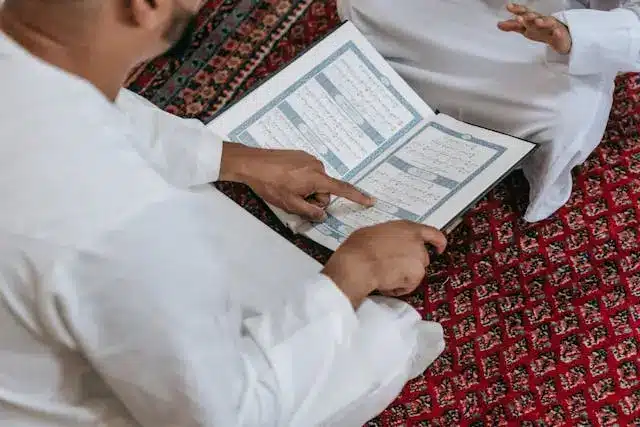
Quran competitions are organized events that test participants’ ability to memorize, recite, or demonstrate knowledge of the Quran. They may take place in mosques, Islamic schools, online platforms, or community centers. Memorization contests challenge participants to retain and recite Quranic verses accurately, while recitation contests focus on tajweed, proper pronunciation, and melodious delivery. Knowledge-based competitions assess participants’ understanding of tafsir, Quranic stories, and Islamic principles. These competitions often offer recognition, certificates, or prizes, which is why some question their permissibility in Islam.
Scholarly Opinions on Quran Competitions
Islamic scholars have long debated the permissibility of competitions that involve rewards or recognition. Classical scholars from the Hanafi, Shafi‘i, and Hanbali schools generally agree that competitions are permissible when the goal is educational or spiritual. Traditional contests, such as memorization challenges without monetary rewards, were encouraged to promote learning and mastery of the Quran.
Modern scholars, however, have addressed contemporary formats, including online competitions and prize-based contests. According to IslamQA, Quran competitions are allowed if prizes are funded ethically and no participant pays to enter in a way that resembles gambling. IslamWeb emphasizes that the primary objective should be learning and pleasing Allah, rather than worldly gain. SeekersGuidance highlights that competitions relying on chance or pooled money may be impermissible. Differences in opinion often arise due to the nature of prizes, funding sources, and participant intentions.
Factors Determining Permissibility
The permissibility of Quran competitions depends on several key factors.
Type of Competition: Competitions focusing on memorization, recitation, or Islamic knowledge are generally permissible when designed to encourage learning. Competitions based solely on chance or superficial participation may not be allowed.
Source of Prizes: Prizes should ideally come from sponsors or institutions, not pooled entry fees, which could resemble gambling (gharar/maysir). Ethical funding ensures that the competition aligns with Shariah principles.
Entry Fees and Gambling Concerns: Islam strictly prohibits gambling and transactions with excessive uncertainty. Competitions that require participants to pay fees with the expectation of winning prizes are considered haram.
Participant Intention (Niyyah): Sincerity is central to the Islamic perspective. Participants must compete for the sake of Allah, seeking knowledge and self-improvement, rather than solely for monetary gain or recognition.
Common Types of Quran Competitions and Rulings
Memorization Contests: Quran memorization competitions are highly encouraged in Islam, provided that prizes do not come from participants’ fees and that the intention is sincere. These contests help students retain portions of the Quran, strengthen their connection with Allah, and develop discipline.
Recitation Contests: Recitation competitions emphasize tajweed and pronunciationof te Quran. Participants refine their skills, promoting a deeper love for the Quran. Monetary or symbolic prizes are acceptable if they are ethically sourced and do not compromise participants’ intentions.
Online Quran Contests: With the rise of technology, many competitions are now held online. While permissible, they must avoid gambling-style structures and maintain the spiritual focus of the contest. Online platforms should ensure fair judging, ethical prizes, and encouragement of sincere learning.
Competitions with Monetary Prizes: Monetary prizes are permissible when funded through halal sources, such as institutional sponsorships. Competitions should avoid creating rivalry for worldly gain and prioritize ethical conduct, learning, and devotion.
Organizing Shariah-Compliant Quran Competitions
For educators, mosques, and online organizers, creating competitions that are fully compliant with Islamic principles requires careful planning. Organizers should avoid entry fees or ensure prizes come from halal sponsorship. Clear rules and guidelines should be communicated to participants to prevent disputes. Emphasis should be placed on sincerity, humility, and the primary goal of learning the Quran.
Shariah-compliant competitions provide numerous educational and ethical benefits. They encourage memorization, proper recitation, and a love for the Quran while fostering a supportive learning environment. Competitions also promote community engagement and allow students to develop public speaking and recital confidence.
Internal link example: Organizers can integrate structured Islamic Studies for Kids programs to supplement competitions and enhance learning outcomes.
Modern Challenges and Misconceptions
Online Competitions: Some parents and students worry that online contests may be haram. In reality, these competitions are permissible as long as ethical guidelines are followed, prizes are halal-funded, and the focus remains on learning.
Prizes and Gambling: A common misconception is that any prize renders a competition haram. Islam only prohibits competitions resembling gambling, where participants risk their own money for uncertain gain. Competitions that are skill-based or educational with ethically sourced prizes are allowed.
Riya’ (Showing Off): Competitions must not encourage arrogance. Students should compete with humility, keeping their intention pure and focusing on improving their knowledge and relationship with the Quran.
FAQs
Can students participate for prizes? Yes, provided the prizes are ethically sourced and intention is sincere.
Are online Quran competitions allowed? Yes, if they avoid gambling elements and maintain a focus on learning and spiritual growth.
What makes a competition haram? Entry fees funding prizes, chance-based selection, and competing purely for monetary gain are impermissible.
Can competitions be held in schools or mosques? Yes, when rules and sponsorship are shariah-compliant.
How can participants ensure their niyyah is pure? Focus on memorization, recitation, and learning for Allah’s sake, rather than winning prizes.
Conclusion: Balancing Faith, Learning, and Competitions
Quran competitions are not inherently haram. When organized with ethical funding, clear rules, and sincere intentions, they serve as a powerful tool to encourage memorization, recitation, and understanding of the Quran. Students, parents, and organizers should prioritize spiritual growth, educational benefit, and humility over worldly recognition. With proper structure and adherence to Shariah, Quran competitions can inspire lifelong devotion, ethical learning, and love for the Quran.
Internal link example: These competitions can be combined with structured Quran and Islamic studies courses to provide long-term knowledge and skill development.