Importance of Education in Islam – A Complete Guide
Education has always held a central place in Islam, not merely as a tool for worldly success, but as a means to cultivate faith, morality, and societal growth. The pursuit of knowledge (ilm) is considered an act of worship, a path to understanding Allah’s creation, and a duty incumbent upon every Muslim, man and woman alike. In this guide, we explore why education is so vital in Islam, its spiritual and practical significance, and how Muslims today can embrace both religious and worldly knowledge to lead meaningful, productive lives.
What Does the Quran Say About Education?
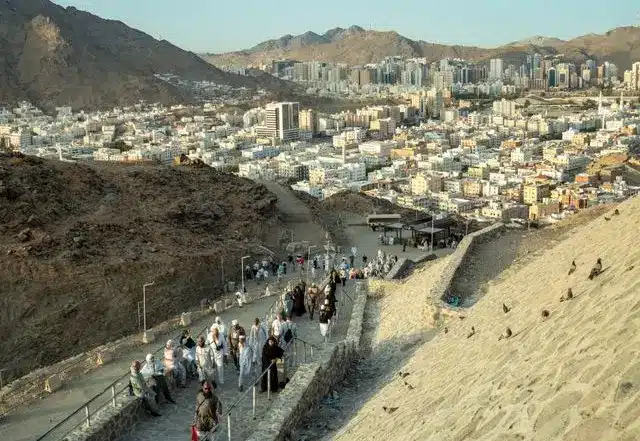
The Qur’an emphasizes learning and reflection as integral parts of human life. The very first revealed words of the Quran were:
“Read in the name of your Lord who created. Created man from a clot. Read, and your Lord is the most Generous, Who taught by the pen, taught man that which he knew not.”
– Surah Al-‘Alaq 96:1-5
This powerful command highlights the divine importance of reading, learning, and teaching. Seeking knowledge is not merely for worldly benefit but for spiritual elevation and ethical development. Other verses also stress that Allah elevates those who acquire knowledge:
“Allah will raise those who believe among you and those who have been given knowledge by degrees.”
– Surah Al-Mujadila 58:11
Education, therefore, is a pathway to both spiritual and social elevation, making it a foundational pillar in Islam.
The Role of Prophet Muhammad ﷺ in Promoting Education
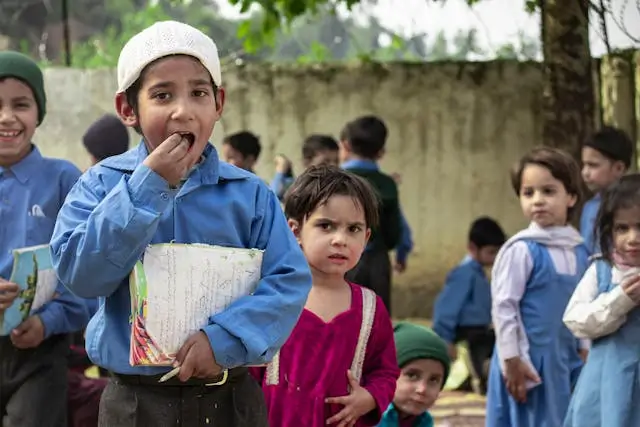
The Prophet Muhammad ﷺ emphasized the importance of learning throughout his life. He said:
“Seeking knowledge is obligatory upon every Muslim.”
– Sunan Ibn Majah, Hadith 224
He encouraged not only the acquisition of religious knowledge but also practical wisdom that benefits society. His companions, such as Abdullah ibn Abbas and Aisha (RA), were exemplary in seeking and transmitting knowledge, demonstrating that education is essential for both men and women. Mosques, madrasas, and informal study circles became centers of learning where people of all ages could study the Qur’an, Hadith, and other beneficial knowledge.
Types of Knowledge in Islam
Islam recognizes the importance of both religious knowledge (Ilm al-Deen) and worldly knowledge (Ilm al-Dunya). Both serve to develop well-rounded individuals who contribute positively to society.
Religious Knowledge (Ilm al-Deen)
Religious education includes the study of the Qur’an, Hadith, Fiqh, and Islamic ethics. It cultivates spirituality, moral integrity, and an understanding of the divine law, enabling individuals to live righteous lives and fulfill their duties to Allah and society.
Worldly Knowledge (Ilm al-Dunya)
Islam also encourages learning skills and sciences that benefit humanity. From medicine and astronomy to social sciences and technology, acquiring worldly knowledge helps Muslims solve societal problems, advance civilization, and serve humanity while upholding Islamic ethics.
Historical Example: Muslim scholars such as Al-Khwarizmi, Ibn Sina, and Fatima al-Fihri demonstrated how combining religious and worldly knowledge led to remarkable contributions in mathematics, medicine, and education.
Benefits of Education in Islam
Education in Islam brings multifaceted benefits, encompassing spiritual, personal, and social dimensions.
Spiritual Benefits
Learning strengthens faith, deepens understanding of Allah’s creation, and encourages ethical behavior. Knowledge empowers believers to discern truth, practice worship correctly, and guide others towards righteousness.
Personal Development
Education develops critical thinking, self-discipline, confidence, and problem-solving skills. Lifelong learning promotes intellectual growth and equips Muslims to navigate the complexities of modern life without compromising their values.
Social and Community Impact
A learned society is better equipped to promote justice, compassion, and social responsibility. Education reduces ignorance, fosters ethical decision-making, and enables communities to flourish economically and morally.
Education for Men and Women in Islam
Islamic teachings emphasize that education is obligatory for both men and women. The Prophet ﷺ affirmed:
“Seeking knowledge is obligatory upon every Muslim.”
Women played a vital role in early Islamic scholarship. Scholars like Aisha (RA) transmitted Hadiths and taught others, proving that female education has always been valued. Modern Muslims can follow this tradition by ensuring girls and women have equal access to both religious and worldly knowledge.
Modern Challenges: Cultural restrictions and social barriers sometimes limit female education. Islam encourages communities to overcome these obstacles and provide equitable learning opportunities for all.
Lifelong Learning: Education from Cradle to Grave
Islam promotes continuous learning throughout life. Muslims are encouraged to seek knowledge not just in youth but at every stage of life. The Prophet ﷺ said:
“The seeking of knowledge is obligatory for every Muslim and continues until death.”
Modern applications include online learning, Quran memorization programs, adult education, and ongoing self-development. Lifelong learning helps Muslims stay relevant, ethically grounded, and spiritually enriched.
Integrating Religious and Secular Education
Balancing religious studies with secular knowledge is essential for contemporary Muslims. While Quranic and Hadith studies strengthen faith, secular education equips individuals to thrive in professional, social, and scientific arenas. Parents, schools, and communities can support this integration by:
- Encouraging participation in Quran courses alongside mainstream education.
- Promoting ethical use of technology for learning.
- Emphasizing both character development and academic excellence.
For structured guidance, explore our Quran and Islamic courses.
Practical Tips to Pursue Knowledge in Islam
- Establish Consistent Learning Habits: Dedicate daily time for Quran reading, Islamic studies, or academic subjects.
- Seek Qualified Teachers: Learn from credible scholars and experienced educators.
- Use Modern Resources: Utilize online courses, lectures, and educational platforms responsibly.
- Encourage Children: Involve children in Islamic and worldly education early for holistic development.
Common Misconceptions
- Only religious education matters: Islam encourages both spiritual and worldly learning.
- Education is only for men: Women have equal obligation and opportunities.
- Seeking knowledge is optional: Knowledge is a mandatory duty for all Muslims.
By addressing these misconceptions, Muslims can better embrace the holistic vision of education in Islam.
Conclusion: Education as a Pillar of Islamic Life
Education in Islam is far more than acquiring information; it is a pathway to spiritual growth, personal development, and societal upliftment. By combining religious and worldly knowledge, Muslims can live meaningful lives, contribute positively to society, and fulfill their divine obligations. The pursuit of knowledge, from childhood through adulthood, remains a timeless principle that bridges faith, morality, and progress.