Dua for Opening Fast in Ramadan – Arabic, Transliteration & Meaning
Ramadan is a month filled with mercy, forgiveness, and spiritual elevation. Among its most beautiful moments is the time of Iftar, when Muslims throughout the world gather to open their fast with gratitude and remembrance of Allah. One of the most searched Islamic queries during Ramadan is the dua for opening fast—a powerful supplication that brings blessings and acceptance to your fasting.
This comprehensive guide explains the authentic Iftar dua, its meaning, how to recite it correctly, common misunderstandings, Sunnah etiquettes of opening the fast, and the spiritual benefits of this sacred moment. Written in an Islamic tone, this article provides clarity and value for Muslims seeking correct knowledge.
Understanding the Importance of Iftar Dua
Breaking the fast is not only a physical act but also a deeply spiritual moment. The Prophet Muhammad (ﷺ) taught that:
“The supplication of a fasting person at the time of breaking the fast is not rejected.”
— Tirmidhi
This shows that the dua at iftar is a moment of guaranteed acceptance, making it essential to recite the authentic supplications taught in Sunnah.
The Iftar dua connects your heart with Allah at the peak of your fasting reward. It expresses gratitude, obedience, and hope for forgiveness.
The Authentic Dua for Opening Fast in Ramadan
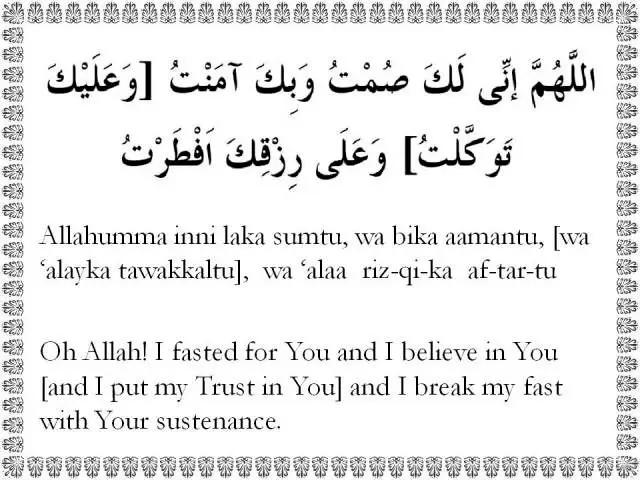
The most authentic and well-known dua to recite at the moment of Iftar is:
اللَّهُمَّ إِنِّي لَكَ صُمْتُ، وَبِكَ آمَنْتُ، وَعَلَيْكَ تَوَكَّلْتُ، وَعَلَى رِزْقِكَ أَفْطَرْتُ
Transliteration
Allahumma inni laka sumtu, wa bika aamantu, wa ‘alayka tawakkaltu, wa ‘ala rizqika aftartu.
English Meaning
“O Allah! I fasted for Your sake, I believe in You, I rely on You, and with Your provision I break my fast.”
Meaning and Reflection
This dua beautifully expresses a believer’s intention and sincerity:
- “I fasted for You” — the fast is purely for the sake of Allah.
- “I believe in You” — acknowledging faith and trust.
- “I rely on You” — depending on Allah through patience.
- “With Your provision I break my fast” — appreciating the blessing of food and water.
Reciting this dua helps purify the heart and enhances the spiritual experience of iftar.
Another Accepted Dua for Opening Fast
Some scholars also mention the following dua, which was commonly recited at the time of Iftar:
ذَهَبَ الظَّمَأُ، وَابْتَلَّتِ الْعُرُوقُ، وَثَبَتَ الْأَجْرُ إِنْ شَاءَ اللَّهُ
Transliteration
The thirst has gone, the veins are moistened, and the reward is confirmed, if Allah wills.
When to Use This Dua
This supplication is typically recited after drinking water or eating the first bite of food. It reflects relief, gratitude, and hope for reward.
Both duas can be recited, as both are authentic and complementary.
Which Dua Is Sunnah? Understanding the Confusion
There is a common misunderstanding among many Muslims regarding which dua is the “correct” one. Scholars explain:
- The dua “Allahumma inni laka sumtu…” is recited before eating or drinking.
- The dua “Dhahaba adh-dhama’…” is recited after breaking the fast.
Both are authentic, and both can be recited.
The key condition is that the heart is present and sincere.
How to Properly Recite the Iftar Dua
To ensure your dua is meaningful and accepted, follow these steps:
1. Make intention internally
The intention (niyyah) of fasting must be from the heart. Reciting a verbal intention is not necessary.
2. Sit calmly a few minutes before Maghrib
This is a spiritually blessed time for dua. Ask Allah for forgiveness, mercy, and acceptance.
3. When Maghrib enters, break your fast immediately
The Prophet (ﷺ) encouraged breaking the fast without delay.
4. Follow the Sunnah method of Iftar
Break the fast with:
- Fresh dates (rutab)
- Dry dates if fresh ones are not available
- Water if dates are not available
5. Recite the dua for opening fast
Say the authentic supplication with full sincerity.
6. Continue with personal dua
This is a moment of acceptance—ask Allah for anything your heart desires.
Why the Iftar Dua Holds Deep Spiritual Meaning
Every word in the Iftar dua is filled with spirituality and wisdom.
Acknowledgment of Allah’s Power
“For You I fasted” reminds the believer that fasting is an act of worship purely for Allah.
Gratitude
“With the sustenance You provided…” teaches humility and gratitude, recognizing Allah as the sole Provider.
Strengthening Faith
This dua strengthens your connection to Allah, especially when breaking your fast after hours of hunger and worship.
Benefits of Reciting the Dua for Opening Fast
The Iftar dua carries numerous spiritual benefits:
1. It brings acceptance of your fasting
The Prophet (ﷺ) said that dua of the fasting person is accepted.
2. It increases gratitude
You realize the blessing of even a single sip of water.
3. It strengthens your faith
Fasting trains your soul to depend solely on Allah.
4. It attracts mercy and forgiveness
The moment of Iftar is a time of divine closeness.
5. It revives the Sunnah
Reciting the prophetic dua earns additional reward.
Common Mistakes Muslims Should Avoid During Iftar
Many Muslims unknowingly fall into mistakes that reduce the spiritual reward of fasting.
1. Delaying Iftar
Delaying without a reason goes against Sunnah.
2. Overeating
Ramadan is about discipline, not indulgence.
3. Forgetting the dua
Many start eating immediately and miss the supplication.
4. Not making personal dua before Iftar
This is a moment of powerful acceptance.
5. Watching TV or scrolling social media at Iftar time
Focus should be on remembrance and gratitude.
Avoiding these mistakes enhances the spiritual experience of Ramadan.
Sunnah Etiquettes of Breaking the Fast
To maximize reward, follow these Sunnah etiquettes:
Break fast quickly
The Prophet (ﷺ) said Muslims will remain upon goodness as long as they haste to break the fast.
Use dates or water
This was the practice of the Messenger of Allah.
Recite dua with presence
A mindful heart is key to acceptance.
Pray Maghrib without unnecessary delay
Balance Iftar with timely Salah.
Share Iftar with others
Feeding a fasting person earns the reward equal to their fast.
Virtues of the Moment of Iftar
The moment of Iftar is blessed because:
- Angels pray for the fasting person.
- Allah frees souls from Hellfire.
- Sins are forgiven due to the hardship endured.
- The believer feels a spiritual joy that strengthens their Iman.
This joy is described in hadith as one of the two joys a fasting person experiences—
the joy at Iftar, and the joy when meeting Allah.
What If Someone Doesn’t Know the Dua?
If a Muslim genuinely does not know the Iftar dua, they may:
- Simply say “Bismillah”
- Thank Allah from their heart
- Make any personal dua
The fast remains valid and accepted, as the dua is Sunnah—not a compulsory act.
Iftar Dua for Children Learning to Fast
Children who are beginning to observe fasting can be taught:
- The short dua “Allahumma inni laka sumtu…”
- Simple gratitude statements: “Alhamdulillah for food and water.”
- The importance of helping others during Ramadan.
Teaching children the Iftar dua helps develop love for worship at an early age.
Connecting the Iftar Dua With Your Daily Ramadan Routine
To build a spiritual habit:
Set a reminder 5 minutes before Maghrib
Use this time to make heartfelt dua.
Keep dates and water ready
Prepare in advance, like the Sunnah.
Train your heart to be present
Avoid distractions—focus on Allah.
Ask Allah for personal needs
This time is one of the most powerful moments for dua acceptance.
Conclusion: The Iftar Dua Is a Gateway to Acceptance and Mercy
The dua for opening fast in Ramadan is more than a simple phrase—it is a spiritual bridge between you and Allah. It reflects gratitude, obedience, and humility. By following the Sunnah, reciting the authentic dua, and making heartfelt supplications, a believer maximizes the reward of fasting.
As the Prophet Muhammad (ﷺ) taught us, the dua of the fasting person is not rejected. Each sunset of Ramadan becomes a chance for forgiveness and elevation.
May Allah accept your fasting, your dua, and your worship.
May He fill your Iftar moments with mercy, ease, and spiritual joy.
Ameen.