What Is a Ruku in Quran?
The Qur’an is the eternal guidance from Allah ﷻ, revealed to Prophet Muhammad ﷺ over 23 years. To facilitate recitation, memorization, and study, the Qur’an has been divided into sections called Rukus (plural: Rukus). Understanding what a Ruku is, why it exists, and how to use it in daily recitation is essential for students, parents guiding their children, and Muslims seeking to strengthen their connection with Allah’s words.
This guide explains the meaning, purpose, total count, and practical applications of Ruku, providing a comprehensive overview for learners of all ages.
Definition of Ruku in the Quran
A Ruku (ركوع) is a section or paragraph of the Qur’an, traditionally used to divide the text into manageable parts. Unlike Surahs, which are complete chapters, Rukus are subdivisions of Surahs designed to help Muslims recite and understand the Qur’an systematically.
It is important to note the distinction between Ruku as a section of the Qur’an and Ruku as the bowing movement in Salah. While they share the same Arabic root, in the Qur’anic context, Ruku refers exclusively to text divisions.
The division of the Qur’an into Rukus was introduced later by scholars to facilitate structured recitation, especially during congregational prayers and memorization programs.
How Many Rukus Are in the Quran?
The Qur’an contains 558 Rukus, as standardized in the widely used Madani Mushaf. Each Surah has a specific number of Rukus, ranging from 1 to 40, depending on the length of the chapter.
The Ruku system serves multiple purposes:
- Structured recitation during Salah and daily reading
- Easier memorization (Hifz) by breaking the Qur’an into manageable sections
- Consistent pacing in congregational recitation and Taraweeh prayers
Though the total number is generally accepted as 558, slight variations can occur in different printed editions, but the differences do not affect the integrity of the Qur’an.
History and Origin of Ruku
The concept of dividing the Qur’an into Rukus was not part of the original revelation but was introduced by scholars to assist reciters and congregations.
Historically:
- Early manuscripts did not have Ruku divisions, only Surah titles and verse markers.
- Later, Islamic scholars introduced Ruku symbols to indicate natural pauses for recitation and Salah.
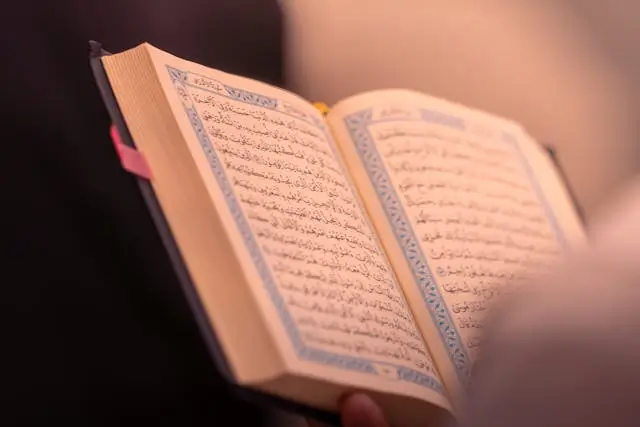
- Different regions developed distinct symbols: the Madani Mushaf uses the ع symbol, while other prints (Ottoman, North African, Indo-Pak) have slight variations.
- These divisions became standardized over time, especially in the 19th–20th centuries, for educational and congregational purposes.
Islamic community and scholarly discussions confirm that Ruku marks are primarily reading aids, not theological divisions, allowing Muslims to recite comfortably and maintain proper focus.
How Rukus Are Marked in the Quran
In printed Qur’ans, Rukus are marked with small symbols to indicate the end of a section. The most common marks include:
- ع – a widely recognized symbol in the Madani Mushaf
- Arabic letters or small annotations – used in Indo-Pak and other regional editions
- Colored markers – sometimes used for visual clarity in modern Mushafs
Rukus typically divide Surahs into sections that can be comfortably recited in one unit of Salah or in a single sitting, making them an essential visual guide for reciters.
Importance and Purpose of Ruku in Recitation
Rukus are practical and spiritually beneficial for Muslims:
Structured Recitation
Dividing Surahs into Rukus allows readers to recite consistently without becoming overwhelmed. Each Ruku provides a natural stopping point for reflection and understanding.
Recitation During Salah
Imams and reciters use Rukus to organize prayers, ensuring that each unit (Raka’ah) contains a complete section. This system helps maintain fluency and concentration in congregational prayers.
Memorization (Hifz)
For students of the Qur’an, Rukus serve as manageable memorization units, enabling:
- Gradual learning
- Easy revision
- Consistent tracking of progress
Daily Reading and Spiritual Benefits
Dividing the Qur’an into Rukus supports daily reading habits, encouraging Muslims to complete their recitation systematically while reflecting on Allah’s words.
Practical Uses of Ruku
Using Rukus in Salah
- Imams often recite one Ruku per Raka’ah during Taraweeh
- Beginners can recite one Ruku per prayer session, building familiarity
Using Rukus for Memorization (Hifz)
- Beginners start with short Surahs from Juz Amma (30th Juz)
- Repeat verses multiple times before moving to the next Ruku
- Daily revision of previous Rukus strengthens long-term retention
Daily Recitation and Study
- Assign 1–2 Rukus per day for consistent Quran reading
- Parents can guide children to complete a Ruku per study session
- Use Rukus to track reading progress across the month
For more guidance on teaching children the Qur’an, see Qualities of a Good Quran Teacher.
FAQs
What is the difference between Ruku in the Quran and Ruku in Salah?
Ruku in the Quran refers to a section of the text, while Ruku in Salah refers to the bowing position in prayer.
How many Rukus are there in the Quran?
There are 558 Rukus in total.
Which Surah has the most Rukus?
Al-Baqarah has 40 Rukus, the highest among all Surahs.
Which Surah has the fewest Rukus?
Short Surahs, like Al-Falaq, An-Nas, Al-Ikhlas, contain 1 Ruku each.
Can children memorize a Ruku a day?
Yes, especially shorter Surahs from Juz Amma, with guided repetition and parental supervision.
Conclusion
A Ruku is an essential part of Qur’anic study, helping Muslims recite, memorize, and reflect on Allah’s guidance. Whether for Salah, daily reading, or Hifz, understanding and using Rukus makes the Qur’an more accessible and spiritually enriching. Parents and students can follow structured Ruku plans to gradually complete the Qur’an while building a lifelong connection with Allah’s words.