Difference Between Hajj and Umrah – Complete Guide for Muslims
Hajj and Umrah are two of the most significant acts of worship in Islam. While both involve visiting the holy city of Mecca, each has its unique rituals, timing, and spiritual significance. Understanding the difference between Hajj and Umrah is essential for every Muslim who wishes to fulfill their religious duties correctly. In this guide, we provide a comprehensive comparison, explain their spiritual importance, and offer practical tips for preparation.
Introduction to Hajj and Umrah
Hajj and Umrah are Islamic pilgrimages that strengthen a Muslim’s faith and bring them closer to Allah. Hajj is one of the Five Pillars of Islam, making it an obligation for every adult Muslim who is physically and financially able to perform it at least once in their lifetime. Umrah, on the other hand, is a voluntary pilgrimage that can be performed at any time of the year.
Both pilgrimages involve acts of worship such as Ihram, Tawaf, and Sa’i, yet they differ significantly in their rituals, duration, and spiritual reward. In this article, we explore these differences to provide clarity for Muslims planning their journey.
What is Hajj?
Definition and Purpose of Hajj
Hajj is a mandatory pilgrimage performed during the Islamic month of Dhul-Hijjah. It represents a pinnacle of devotion, unity, and submission to Allah. The pilgrimage commemorates the actions of Prophet Ibrahim (AS) and his family, highlighting obedience, sacrifice, and spiritual purification.
Hajj Rituals and Steps
- Entering Ihram: Pilgrims adopt a state of spiritual purity and wear special garments.
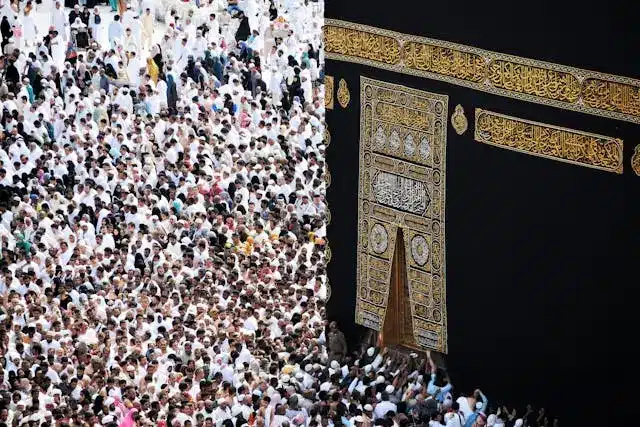
- Tawaf: Circumambulating the Kaaba seven times in Mecca.
- Sa’i: Walking between the hills of Safa and Marwah seven times.
- Standing at Arafat (Wuquf): A key ritual on the 9th of Dhul-Hijjah, symbolizing spiritual reflection and supplication.
- Mina and Muzdalifah Rituals: Includes collecting pebbles for the stoning ritual.
- Stoning of Jamarat (Ramy al-Jamarat): Symbolizes rejecting evil and temptation.
- Sacrifice / Qurbani: Commemorating Prophet Ibrahim’s willingness to sacrifice his son in obedience to Allah.
- Shaving or Trimming Hair: Marks the completion of the pilgrimage.
- Tawaf al-Ifadah: A final circumambulation to conclude the Hajj rituals.
Duration and Timing of Hajj
Hajj rituals take place over five to six days during specific Islamic dates. The pilgrimage attracts millions of Muslims globally, making it a highly communal and spiritually intense experience.
Spiritual Significance of Hajj
Performing Hajj fulfills a major religious obligation, symbolizing submission, unity, and equality before Allah. It is a life-changing experience that brings immense spiritual reward, forgiveness of sins, and a renewed sense of devotion.
What is Umrah?
Definition and Purpose of Umrah
Umrah is a non-obligatory pilgrimage that Muslims can perform anytime of the year. Although it does not fulfill a pillar of Islam like Hajj, Umrah carries significant spiritual rewards and serves as a means of repentance and purification.
Umrah Rituals and Steps
- Entering Ihram: Pilgrims begin with a state of spiritual purity and intention.
- Tawaf: Circumambulating the Kaaba seven times.
- Sa’i: Walking between Safa and Marwah seven times.
- Shaving or Trimming Hair: Marks the completion of Umrah.
Duration and Timing of Umrah
Unlike Hajj, Umrah can be completed in a few hours or a day, depending on crowd size and personal preparation. It offers Muslims the flexibility to perform the pilgrimage multiple times in their lifetime.
Spiritual Significance of Umrah
Umrah allows Muslims to seek forgiveness, cleanse their hearts, and strengthen their faith. It provides a voluntary way to experience the spiritual benefits of pilgrimage without the obligations and specific timing of Hajj.
Key Differences Between Hajj and Umrah
| Aspect | Hajj | Umrah |
|---|---|---|
| Obligation | Mandatory once in lifetime for eligible Muslims | Voluntary, can be performed anytime |
| Timing | Specific days in Dhul-Hijjah | Anytime during the year |
| Duration | 5–6 days | Few hours to one day |
| Rituals | Ihram, Tawaf, Sa’i, Wuquf at Arafat, Mina, stoning, sacrifice, shaving, Tawaf al-Ifadah | Ihram, Tawaf, Sa’i, shaving |
| Number of Pilgrims | Millions globally during Hajj season | Smaller crowds outside Hajj |
| Spiritual Significance | Fulfills a pillar of Islam | Provides spiritual cleansing and voluntary merit |
| Cost | Generally higher due to travel and timing | Relatively lower |
Similarities Between Hajj and Umrah
- Both require Ihram, Tawaf, and Sa’i.
- Both pilgrimages take place in Mecca and involve visiting the Kaaba.
- Both provide spiritual purification and immense rewards.
- Both strengthen a Muslim’s connection to Allah and reinforce faith and submission.
Frequently Asked Questions (FAQs)
Can Umrah be performed before Hajj?
Yes, Umrah can be performed before, after, or independently of Hajj. Many pilgrims choose to perform Umrah prior to Hajj to spiritually prepare themselves.
Is Hajj obligatory for women?
Yes, if they meet the requirements of health, travel ability, and financial means. Women must also consider travel safety and companion requirements.
How long does it take to perform Hajj?
Hajj rituals take approximately 5–6 days, though total duration may vary depending on travel arrangements.
Can a Muslim perform Hajj multiple times?
Yes, while Hajj is only obligatory once, Muslims can perform Hajj multiple times if desired and able.
Do both Hajj and Umrah require Ihram?
Yes, entering Ihram is essential for both pilgrimages to maintain spiritual focus and purity.
Practical Tips for Preparing for Hajj and Umrah
- Plan Early: Choose reliable travel packages and accommodations.
- Learn Rituals in Advance: Understanding each step ensures proper performance.
- Spiritual Preparation: Increase prayers, recitation of Quran, and repentance.
- Maintain Health: Stay hydrated, rest adequately, and follow safety guidelines.
- Recite Duas and Quranic Verses: Connect spiritually throughout the journey.
- Seek Guidance: Consider online courses or mentorship for Hajj and Umrah preparation.
Conclusion
Understanding the difference between Hajj and Umrah allows Muslims to prepare both spiritually and practically for their pilgrimage. Hajj is an obligatory, time-specific pilgrimage with extensive rituals, while Umrah is a voluntary pilgrimage that can be performed any time for spiritual purification. Both journeys foster deep devotion, enhance spiritual awareness, and strengthen a Muslim’s connection with Allah.
By learning and preparing for either pilgrimage, Muslims can maximize the spiritual benefits, reward, and personal growth these sacred journeys offer.