Top Duas from the Quran and Sunnah to Recite in Umrah
Umrah is the most sacred pilgrimage for Muslims after Hajj. Muslims travel to Mecca to perform Umrah, which can be performed at any time of the year. While Hajj is obligatory once in a lifetime, Umrah is not mandatory. It usually takes a few hours to complete and is also known as the minor pilgrimage.
The main steps of Umrah are Ihram, Tawaf, Sa’i, and Halq. Muslims begin the Umrah journey by entering the state of Ihram, then perform Tawaf (circumambulation around the Kaaba), followed by Sa’i between Safa and Marwa, and finally complete Halq (shaving or trimming the hair).
Umrah carries great spiritual and divine value. It is also a Sunnah that brings a believer closer to Allah. For Muslims, it is a powerful opportunity to purify their hearts, seek forgiveness, and strengthen their connection with Allah. For many, Umrah is a life-changing spiritual journey.
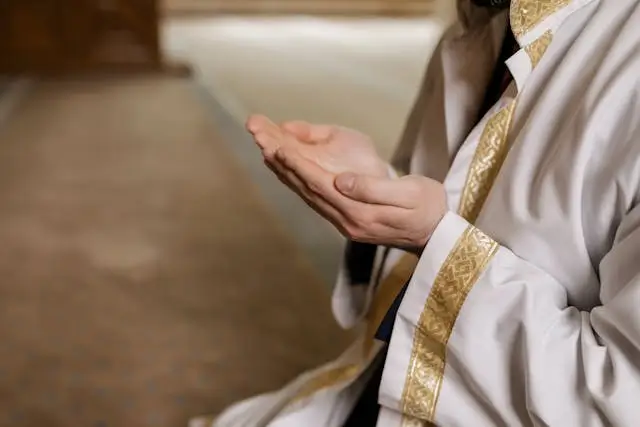
Duas from the Quran and Sunnah for Entering the State of Ihram
Muslims begin Umrah after wearing Ihram and making the intention (niyyah) in their hearts. Dua is a powerful form of connection with Allah, and Muslims around the world rely on it throughout their pilgrimage.
Before reciting the Talbiyah, pilgrims make the intention by saying:
“O Allah, I intend to perform Umrah, so make it easy for me and accept it from me.”
Then they recite the Talbiyah:
“Labbayk Allahumma Labbayk, Labbayka la sharika laka labbayk. Innal hamda wan-ni’mata laka wal-mulk, la sharika lak.”
(Here I am, O Allah, here I am. You have no partner. Surely all praise, blessings, and sovereignty belong to You.)
This reflects complete submission and devotion to Allah. Pilgrims continue reciting the Talbiyah on their way to Makkah. Many Muslims worldwide travel through organized Umrah packages 2027 that include flights, accommodation, and guidance.
Duas During Tawaf
Tawaf begins with intention (niyyah). There is no fixed or mandatory dua during Tawaf, but pilgrims are encouraged to recite Quranic verses, dhikr, and personal supplications.
It is Sunnah to say:
“Bismillah, Allahu Akbar” (In the name of Allah, Allah is the Greatest) when approaching the Black Stone (Hajar al-Aswad).
Pilgrims may also recite:
- SubhanAllah (Glory be to Allah)
- Alhamdulillah (All praise is for Allah)
- Allahu Akbar (Allah is the Greatest)
- La ilaha illallah (There is no god but Allah)
Between Rukn Al-Yamani and the Black Stone, the Prophet ﷺ used to recite:
“Rabbana atina fid-dunya hasanah wa fil-akhirati hasanah wa qina ‘adhaban-nar” (Quran 2:201)
(Our Lord, grant us good in this world and good in the Hereafter and protect us from the punishment of the Fire.)
Duas at Maqam Ibrahim and After Tawaf
After completing Tawaf, it is Sunnah to offer two rak’ah of prayer near Maqam Ibrahim if space allows. In these prayers, it is recommended to recite Surah Al-Kafiroon and Surah Al-Ikhlas after Surah Al-Fatiha.
Making dua at this point is highly recommended. Pilgrims ask for forgiveness, guidance, blessings, and personal needs.
After prayer, pilgrims drink Zamzam water while facing the Kaaba and make dua:
“Allahumma inni as’aluka ‘ilman nafi’an, rizqan wasi’an, wa shifa’an min kulli da’.”
(O Allah, I ask You for beneficial knowledge, abundant provision, and cure from every illness.)
Pilgrims may then return to the Black Stone before proceeding to Sa’i.
Duas During Sa’i Between Safa and Marwa
Sa’i commemorates the struggle of Hazrat Hajar (RA), who ran between Safa and Marwa in search of water for her son Hazrat Ismail (AS).
At Safa, pilgrims recite:
“Inna as-Safa wal-Marwata min sha’a’irillah” (Quran 2:158)
(Indeed, Safa and Marwa are among the symbols of Allah.)
Then they say:
“Abda’u bima bada’ Allahu bihi”
(I begin with what Allah began with.)
At the top of Safa and Marwa, pilgrims recite:
“Allahu Akbar, Allahu Akbar, Allahu Akbar. La ilaha illallah wahdahu la sharika lah…”
(Allah is the Greatest… There is no god but Allah alone, with no partner…)
Between the two green markers, men are required to walk briskly. Throughout Sa’i, pilgrims continue making personal duas and dhikr.
Duas Upon Completing Umrah
There is no specific dua required after completing Umrah. However, pilgrims are encouraged to make heartfelt supplications, seek forgiveness, and thank Allah.
Common duas include:
“Allahumma taqabbal مني، waghfir li, warhamni.”
(O Allah, accept this from me, forgive me, and have mercy on me.)
Another beautiful supplication:
“Alhamdulillah alladhi ballaghani baytahu wa ghafara li dhunubi.”
(All praise is for Allah who allowed me to reach His sacred house and forgave my sins.)
Insights for Pilgrims
Canadian Muslims, like people in any other country, strive to make a pilgrimage each year. The distance is far, making the location a huge hurdle in the process of planning itineraries. Many Muslims from Toronto also go for Umrah. Travel agencies offering Umrah packages from Toronto are very convenient.
Take advantage and enjoy a carefree pilgrimage. You do not have to worry about the itinerary of any kind, as Umrah packages include everything. The package also includes Umrah visa stamping for Canadian citizens.
Reciting duas during Umrah is highly important, but reciting them correctly with proper Tajweed holds even greater value in preserving their true meaning and beauty. If you want to learn how to recite duas with accurate Tajweed, you can reach out to Quran Teacher Online for guidance and support.
Conclusion
Going for Umrah is a very spiritual trip. Every Muslim’s wish is to perform Umrah once in their life, and many choose Kaabah tours to make their journey more organized and meaningful.
After completing Umrah, Muslims feel blessed and near to Allah. Each type of Umrah has its own spiritual meaning. The duaa that Muslims recite during Umrah are not just their words but the prayers that connect them with Allah. Umrah is a divine journey and the best reminder to come to Allah before death and praise Him for His pleasure.